
Should I buy a house that had basement water damage?
It can be a sound purchase if the cause was properly corrected and the restoration was documented. The risk isn't past water damage itself — it's an uncorrected cause that will flood again. Before buying, demand drying records, mold clearance, and evidence the drainage or plumbing defect was actually fixed.
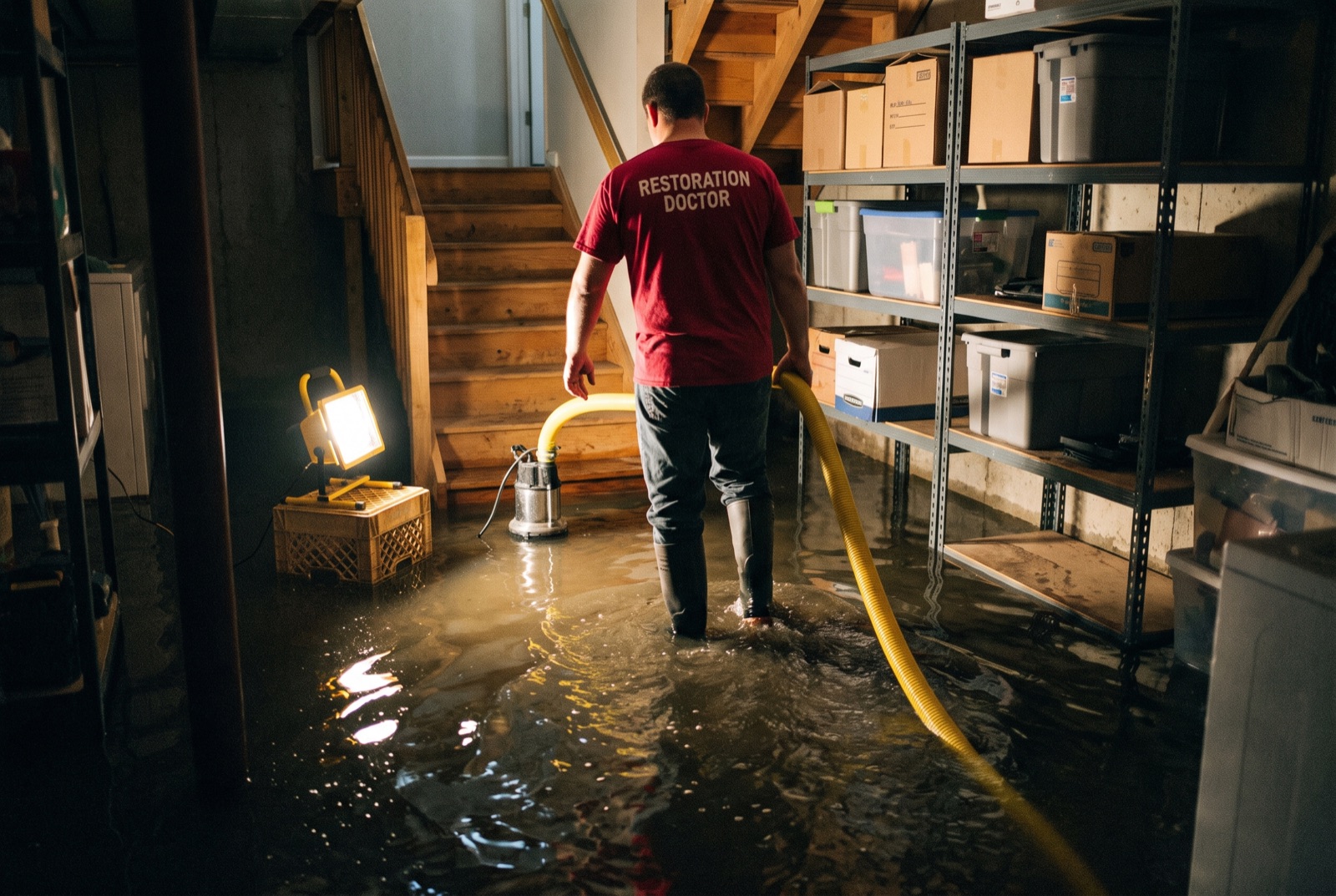
The cause matters more than the history
Many homes have had a basement water event at some point, and a past flood alone shouldn't kill a deal. What actually matters is whether the underlying cause was fixed. A one-time burst pipe that was repaired and properly dried leaves a very different risk profile than chronic rain flooding from a drainage defect that was merely mopped up each time.
So the central question to answer isn't "did water ever get in?" but "why did it get in, and has that reason been eliminated?" A corrected cause turns a scary-sounding disclosure into a non-issue; an uncorrected one means you're buying the next flood.
Documentation to demand
Ask for the paper trail. Professional drying records show the basement was dried to a verified standard rather than left to air out. Mold clearance or post-remediation verification confirms that if mold developed, it was properly remediated. Invoices and scopes reveal what work was actually done. A restoration handled by a reputable company, with documentation, is reassuring; an undocumented "we took care of it" is not.
Equally important is evidence the cause was addressed: drainage improvements, foundation crack repair, a new or upgraded sump pump with backup, regrading, or plumbing repairs. Receipts and contractor records for that corrective work are what separate a fixed problem from a recurring one.
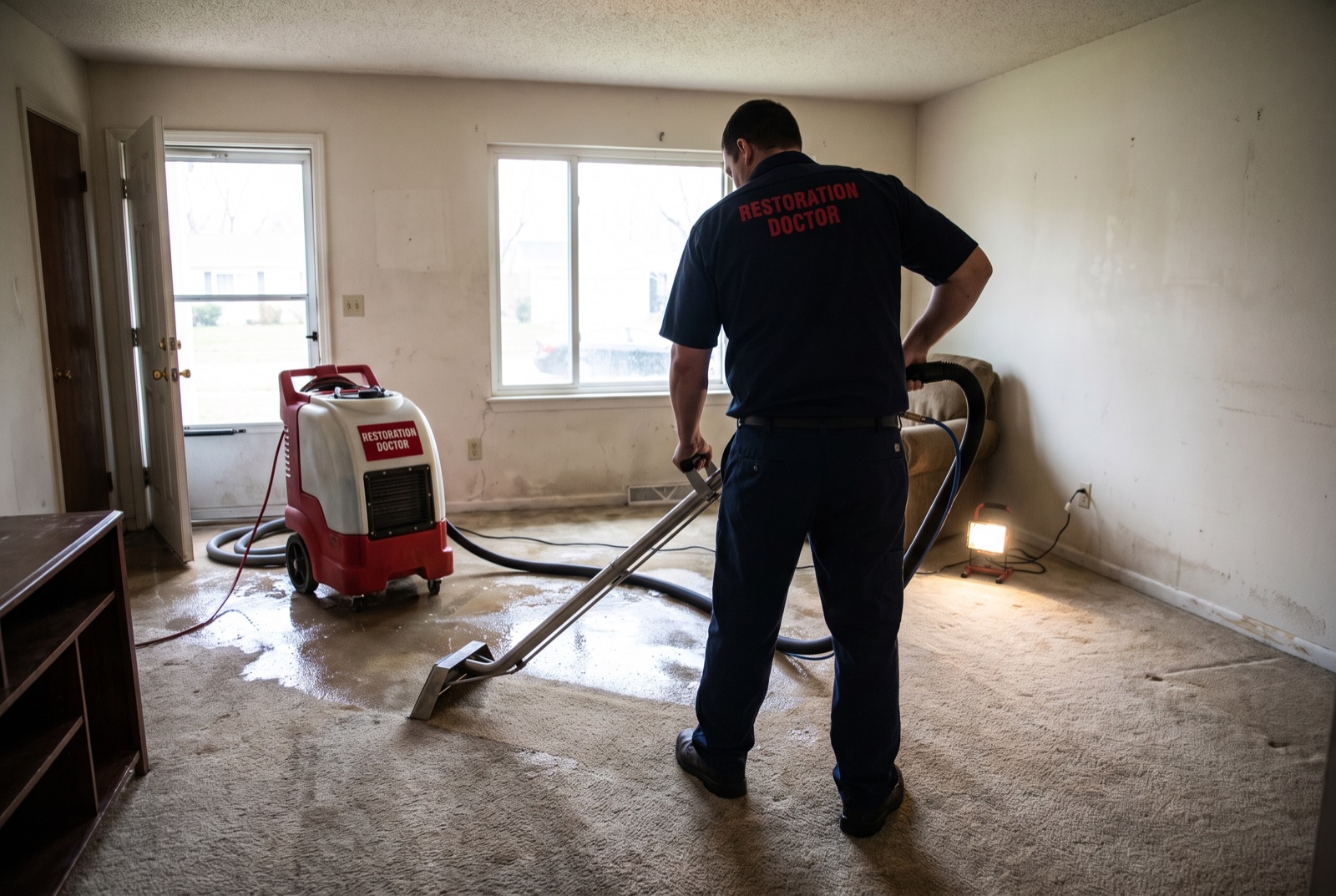
Get an independent inspection
Don't rely solely on the seller's account. A thorough home inspection — ideally with attention to the basement, foundation, grading, and moisture — gives you an independent read. Moisture meters and a look for staining, efflorescence, patched cracks, and past-repair signs can reveal both the history and whether dampness is still present.
If there's any doubt about hidden mold from the past event, a targeted moisture and mold assessment is worth the cost before closing. Better to know exactly what you're buying than to inherit a concealed problem.
Buy the fix, not the flood
A house with corrected, documented basement water damage can be a smart buy — sometimes at a favorable price precisely because the disclosure scares off less-informed buyers. The key is verifying the cause is truly resolved and the restoration was done right, not taking it on faith.
Restoration Doctor performs moisture and mold assessments across Northern Virginia, Maryland, and D.C. that can help you evaluate a property's basement before you commit. Call 1-888-29-FLOOD if you'd like a professional read during your due diligence.
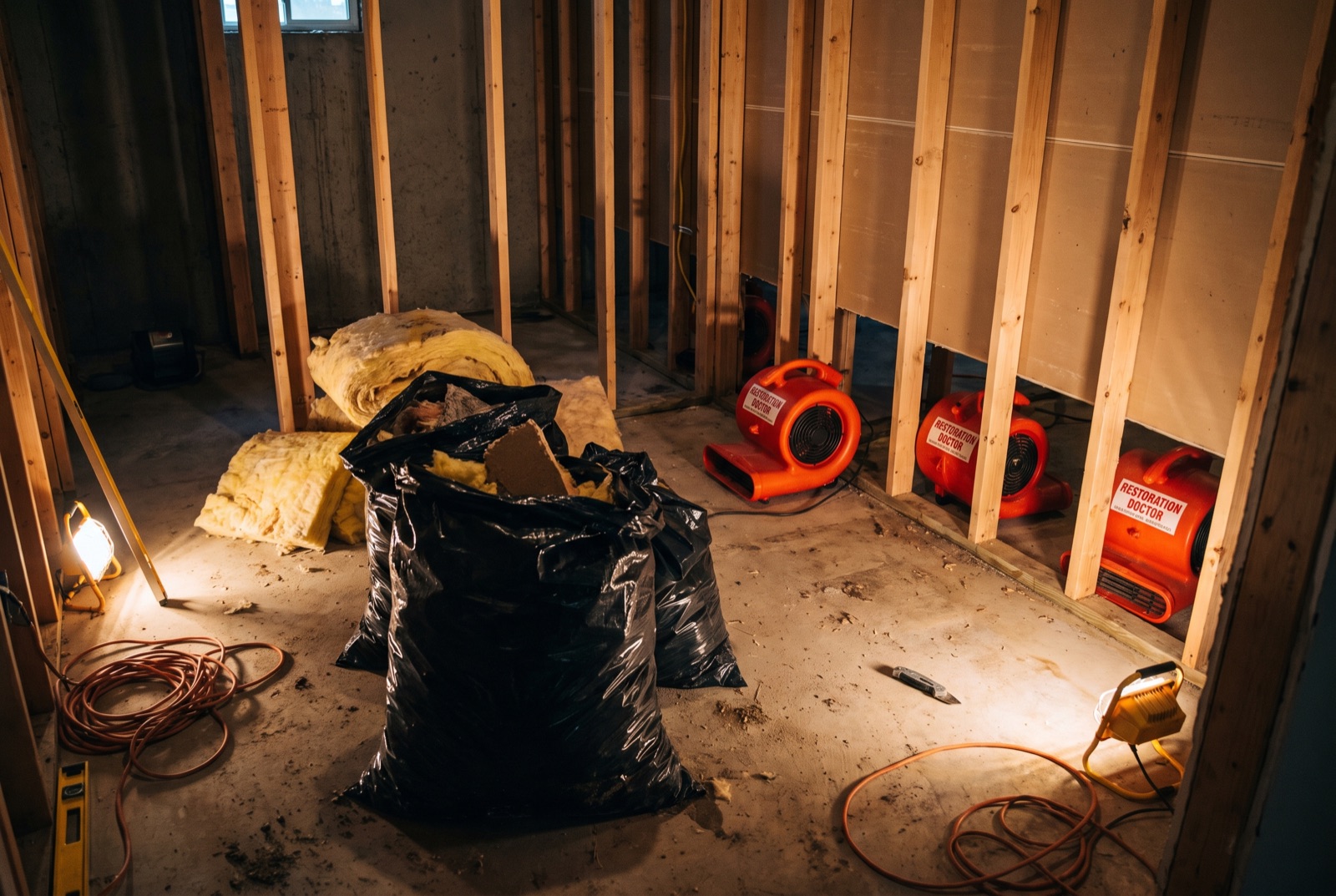
Water Damage Restoration
Extraction, structural drying, and moisture verification for burst pipes, appliance leaks, and basement flooding.
Frequently asked
Related questions
Why does my basement flood when it rains?
How do I prevent my basement from flooding?
Should I test for mold after water damage?
What happens if mold is left untreated?
Active water, mold, fire, or sewage event?
Connect directly with the Restoration Doctor team for your region. Crews are on standby 24/7 with documented response protocols.