
Who pays for water damage restoration?
For a covered sudden loss in a single-family home, the homeowner's insurance pays restoration costs minus the deductible. In rentals, the landlord's policy generally covers the structure and the tenant's policy their belongings. In condos, the source of the water and the association's governing documents determine whose policy responds.
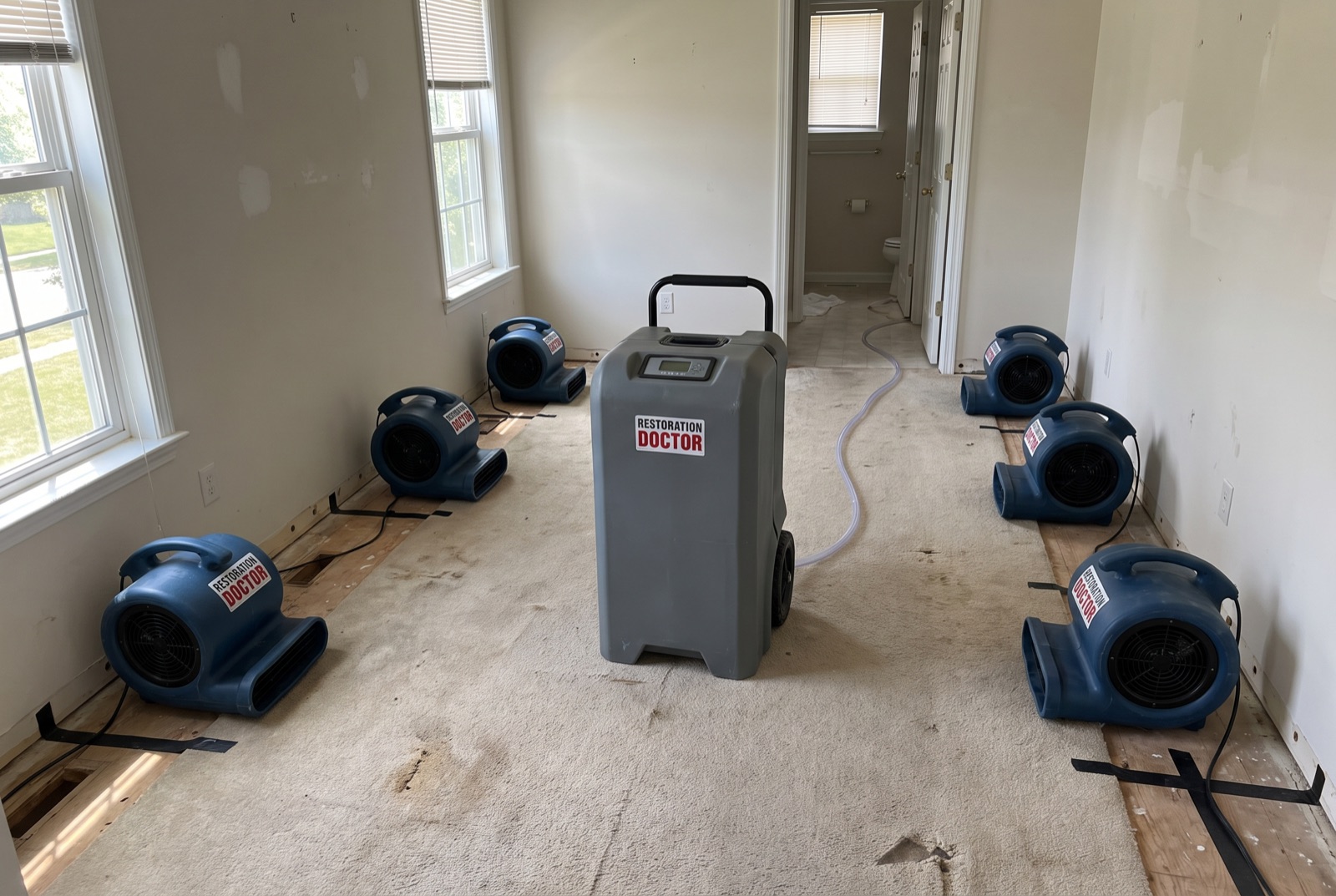
Single-family homes: your policy, your deductible
The simplest case: you own the house, a sudden and accidental water loss occurs — burst pipe, appliance failure, water heater rupture — and your homeowners policy typically pays for the restoration of structure and contents, minus your deductible. The restoration contract itself is between you and the contractor you choose, and the whole invoice is yours to pay; established restoration companies document the work in carrier-standard format so you can seek reimbursement from your carrier.
The exceptions are the familiar ones: gradual leaks and deferred maintenance are commonly excluded, surface flooding requires separate flood insurance, and sewer backup usually needs an endorsement. When a loss is excluded, the homeowner pays — which is why cause of loss, not damage size, is the first question in every water event. Policies vary; review yours and confirm with your carrier.
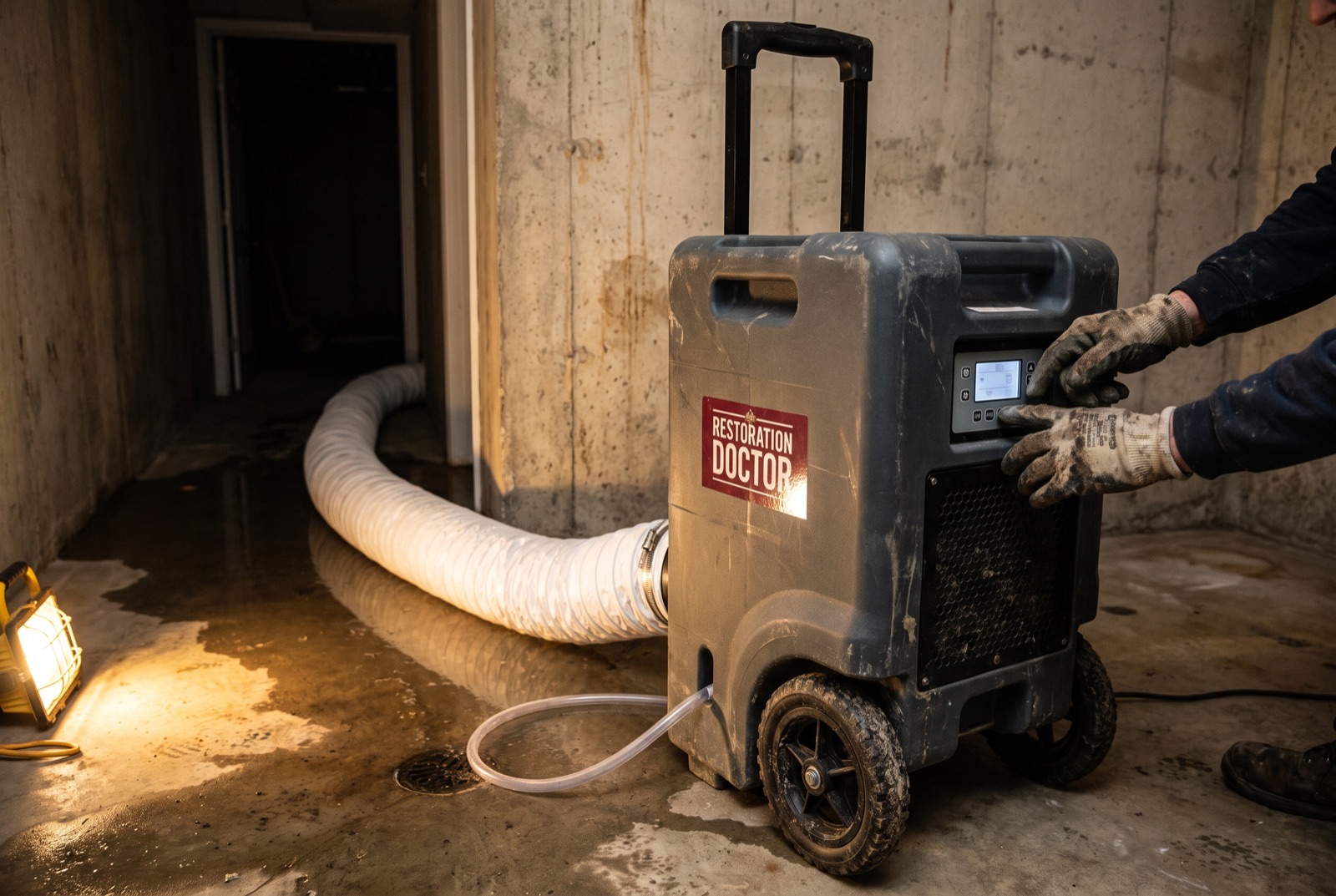
Rentals: landlord's structure, tenant's stuff
Rental losses split along ownership lines. The landlord's property policy generally covers damage to the building itself — walls, floors, systems — while the tenant's renters policy covers the tenant's personal belongings. A burst pipe that soaks the carpet and the tenant's furniture typically produces two claims against two policies.
Fault can shift the picture. If a tenant's negligence caused the loss — an overflowing tub left running, an ignored leak never reported — the landlord or their insurer may pursue the tenant, whose renters liability coverage responds. Conversely, if a landlord neglected known maintenance issues, tenants may have claims for their damaged property. Documentation of cause and of who knew what, when, matters in both directions — and tenants without renters insurance should know the landlord's policy does not cover their belongings at all.
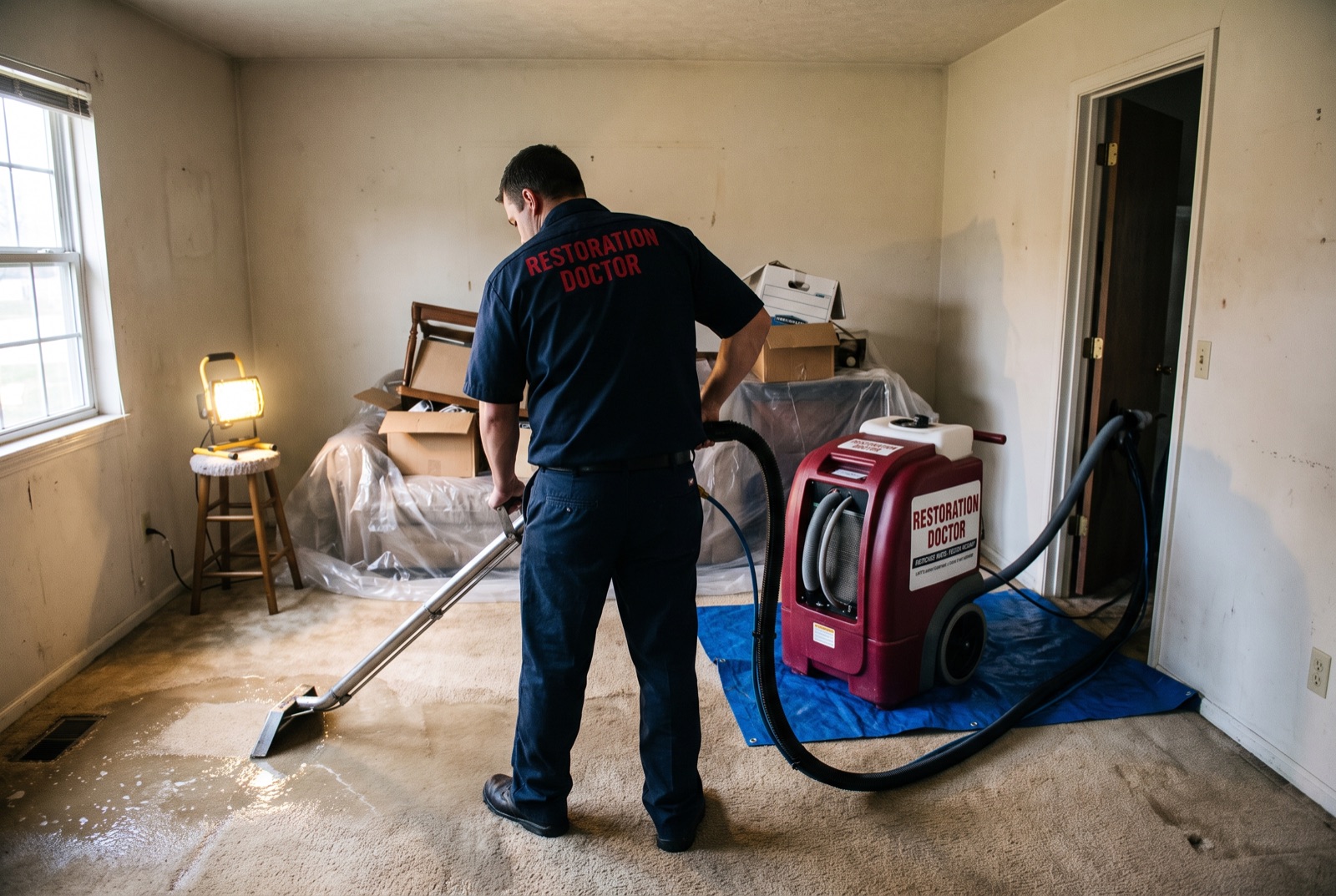
Condos: the source and the documents decide
Condominiums are the most intricate case because three parties and at least two insurance layers are involved: the unit owner's policy, the association's master policy, and sometimes a neighboring owner's policy. Where the water originated — inside your unit, inside a neighbor's, or in common elements like roof or shared risers — combined with the association's declaration and bylaws, determines whose insurance responds to which damage.
A common pattern: the master policy covers common elements and, depending on its type, some or all of the unit structure, while the owner's policy covers interior finishes and contents — but master-policy deductibles are often large and can be assessed back to affected owners. When water comes from an upstairs neighbor, their liability coverage may be in play if negligence is shown. The practical advice: report promptly to both your insurer and the association, document the source path carefully, and get the association's governing documents into the conversation early.
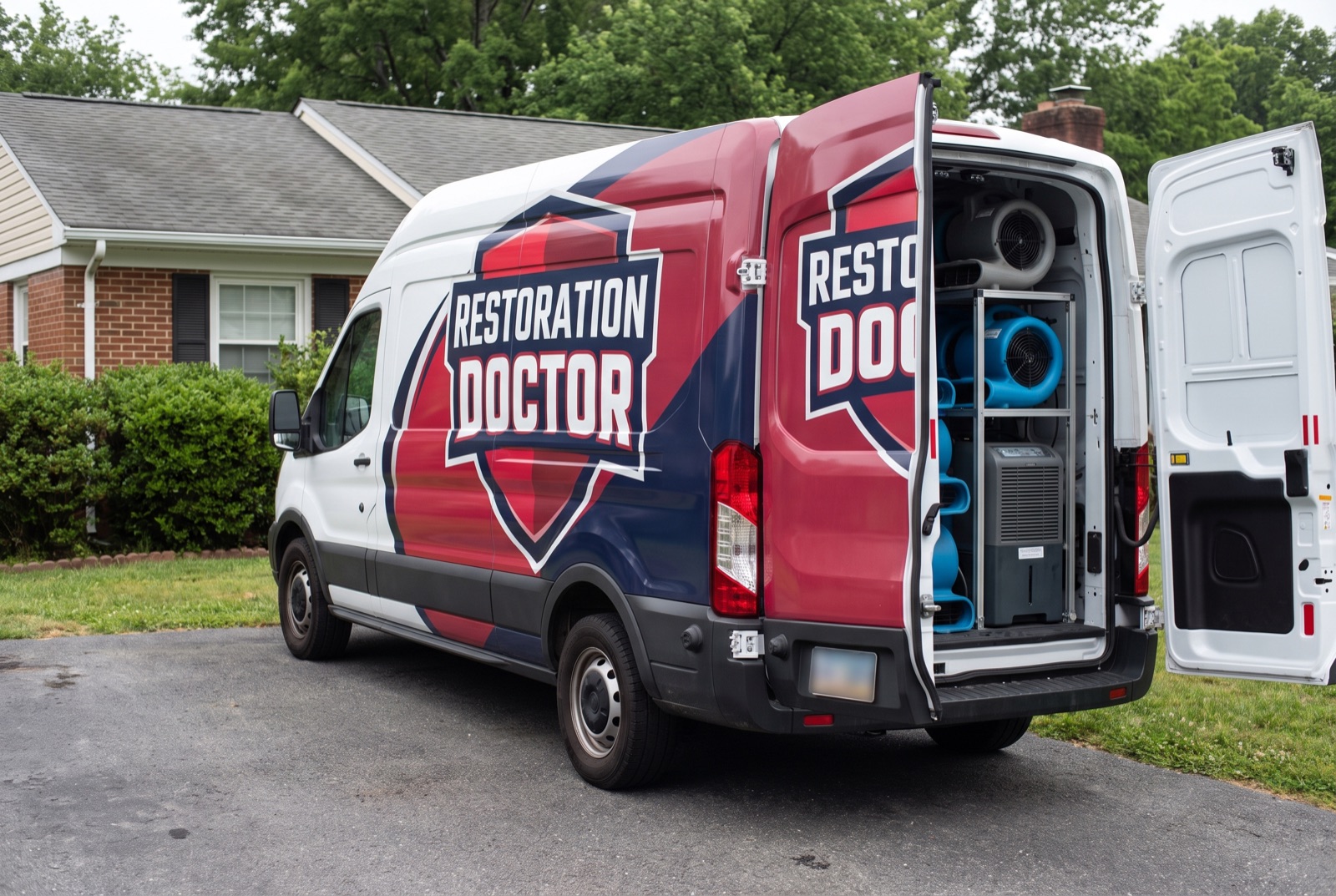
Whoever pays, someone has to stop the water now
Liability questions can take weeks; the drying clock runs in hours, and every policy on every side expects prompt mitigation. The right sequence in any ownership structure is: stop the water, document everything, start professional drying, and let the payment allocation follow the evidence. Restoration Doctor responds 24/7 across Northern Virginia, Maryland, and D.C. and documents source, path, and scope in itemized detail — exactly the record that lets multiple insurers sort out responsibility cleanly. Call 1-888-29-FLOOD; the paying can be sorted after the drying starts.
Water Damage Restoration
Extraction, structural drying, and moisture verification for burst pipes, appliance leaks, and basement flooding.
Frequently asked
Related questions
Does homeowners insurance cover water damage?
How much does water damage restoration cost?
How do I file a water damage insurance claim?
Should I file an insurance claim for water damage?
Active water, mold, fire, or sewage event?
Connect directly with the Restoration Doctor team for your region. Crews are on standby 24/7 with documented response protocols.