
Can carpet be saved after a basement flood?
Sometimes. Carpet soaked by clean water and professionally extracted and dried within roughly 48 hours can often be saved, though the pad beneath it usually can't. But any carpet touched by sewage backup or outdoor floodwater — Category 3 water — is disposed of for health reasons, regardless of how quickly you act.
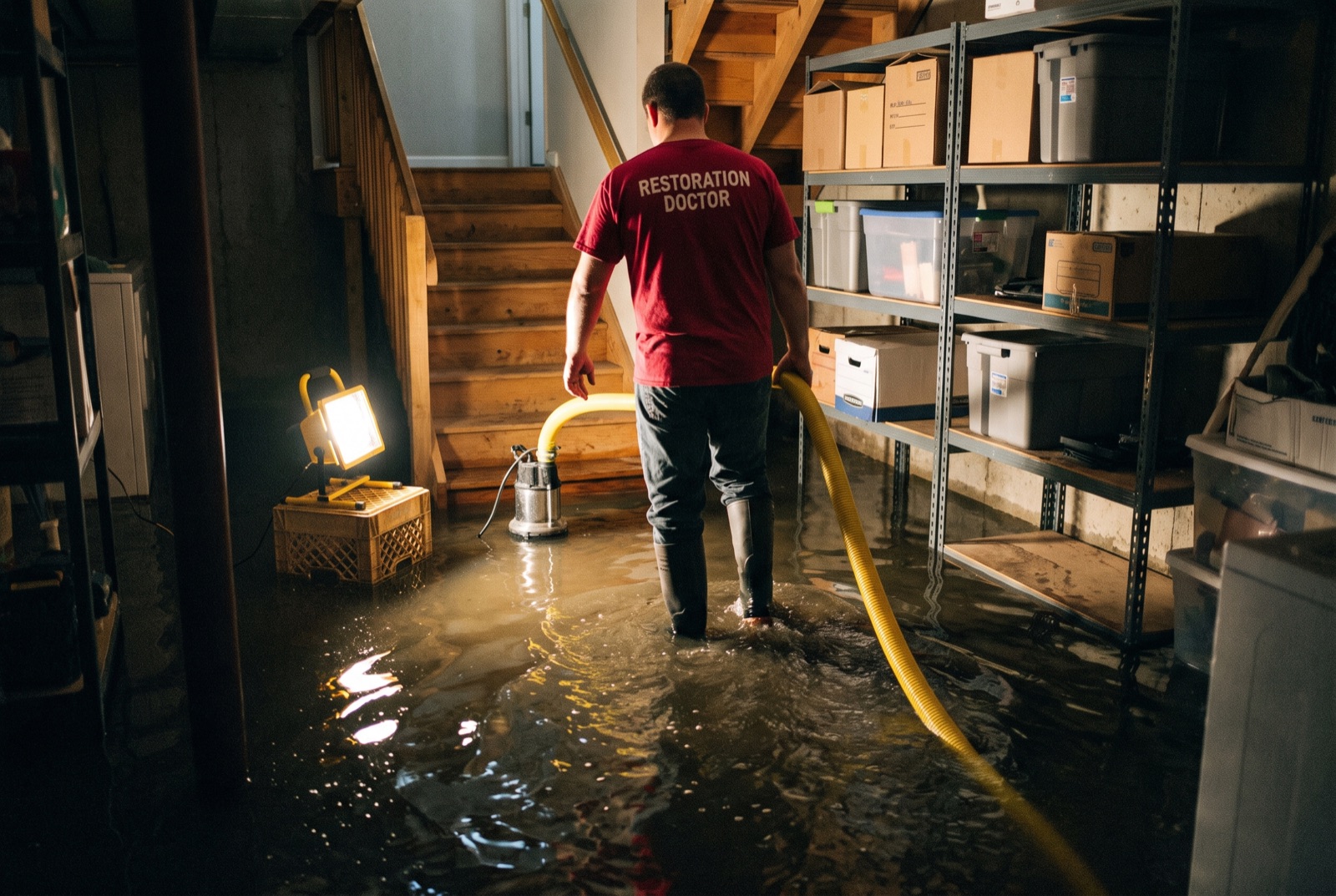
The water category decides first
Before speed even enters the picture, the source of the water sets the rules. Under the IICRC S500 standard, clean water (Category 1) from a supply line gives carpet a fighting chance. But basement floods frequently involve Category 3 water — sewage backups, storm water, or outdoor floodwater — and porous materials that contaminated water has soaked into are removed and disposed of for hygiene reasons.
This is why the same flooded carpet can be salvageable in one basement and a mandatory removal in another. It's not about the carpet's condition alone; it's about what was in the water. Contaminated carpet can't be reliably decontaminated in place, so it goes.
For clean water, speed is everything
When the water is clean, carpet becomes a candidate for saving — but the clock is short. Professional extraction that pulls the water out and drying that begins within roughly 24 to 48 hours gives the best odds. Beyond that window, mold risk and material breakdown move carpet from the save column to the replace column.
Saving carpet isn't just running a fan over it. It typically means lifting the carpet, extracting water, removing and discarding the pad, drying both the carpet and the subfloor beneath, and often treating the carpet before it's re-laid. Done promptly and properly, clean-water carpet frequently comes back.
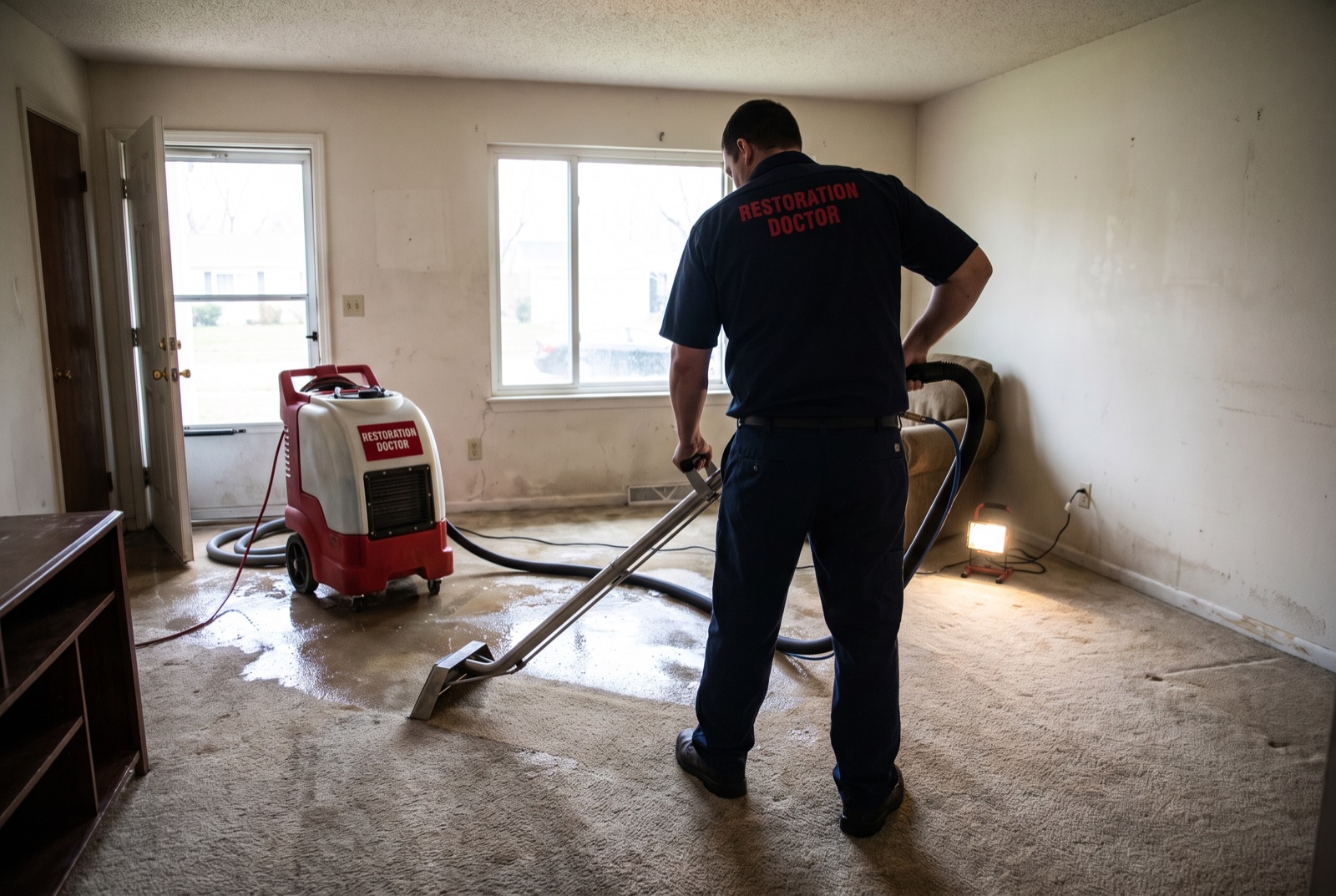
The pad almost always goes
Even when the carpet itself is saved, the pad underneath is usually not. Carpet pad is highly absorbent, acts like a sponge, and dries slowly and unevenly — it's routinely removed and replaced even after clean-water losses. Trying to keep saturated pad is a common DIY mistake that traps moisture against the subfloor and invites mold.
Think of it as saving the carpet and replacing the pad, rather than saving the whole assembly. The pad is the inexpensive, replaceable layer; the carpet is what's worth the effort to recover.
Let a professional make the call
Whether your flooded carpet can be saved comes down to the water category, how fast extraction started, and how it's handled — assessments best made by someone who can evaluate the source and the moisture. Guessing wrong in either direction is costly: tossing salvageable carpet, or keeping contaminated material.
Restoration Doctor evaluates flooded flooring across Northern Virginia, Maryland, and D.C., extracting and drying clean-water carpet fast and disposing of contaminated materials safely. Call 1-888-29-FLOOD promptly — with carpet, hours matter.
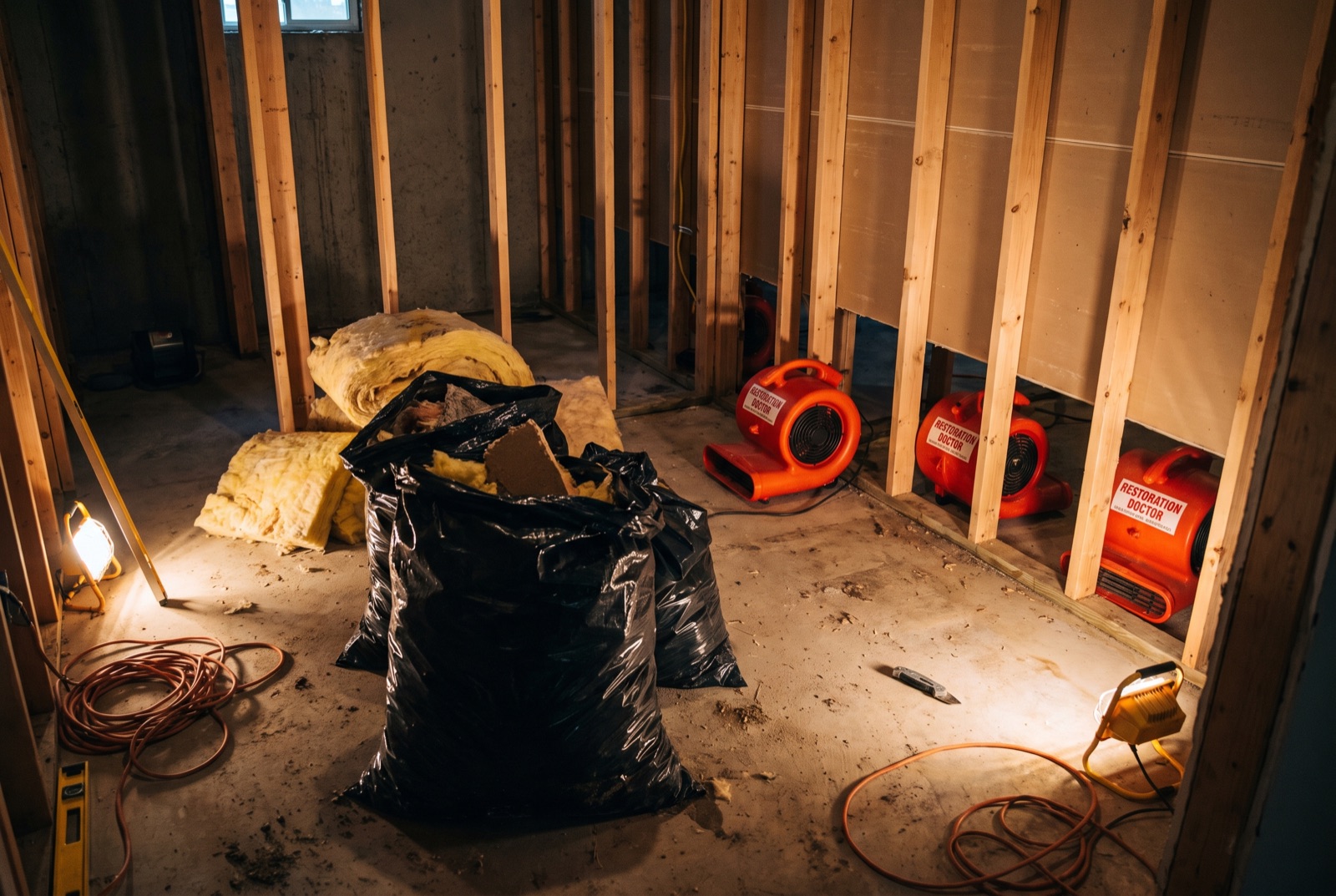
Water Damage Restoration
Extraction, structural drying, and moisture verification for burst pipes, appliance leaks, and basement flooding.
Frequently asked
Related questions
How do you get water out of a flooded basement?
How long does it take to dry out a flooded basement?
Is a flooded basement dangerous?
What should you do when your basement floods?
Active water, mold, fire, or sewage event?
Connect directly with the Restoration Doctor team for your region. Crews are on standby 24/7 with documented response protocols.