
Is a flooded basement dangerous?
Yes. Two hazards make flooded basements genuinely dangerous: energized outlets, wiring, and appliances can turn standing water into an electrocution risk, and floodwater or sewage backup carries pathogens and contaminants. Never enter the water until power is off, and treat contaminated (Category 3) water as a job for professionals.
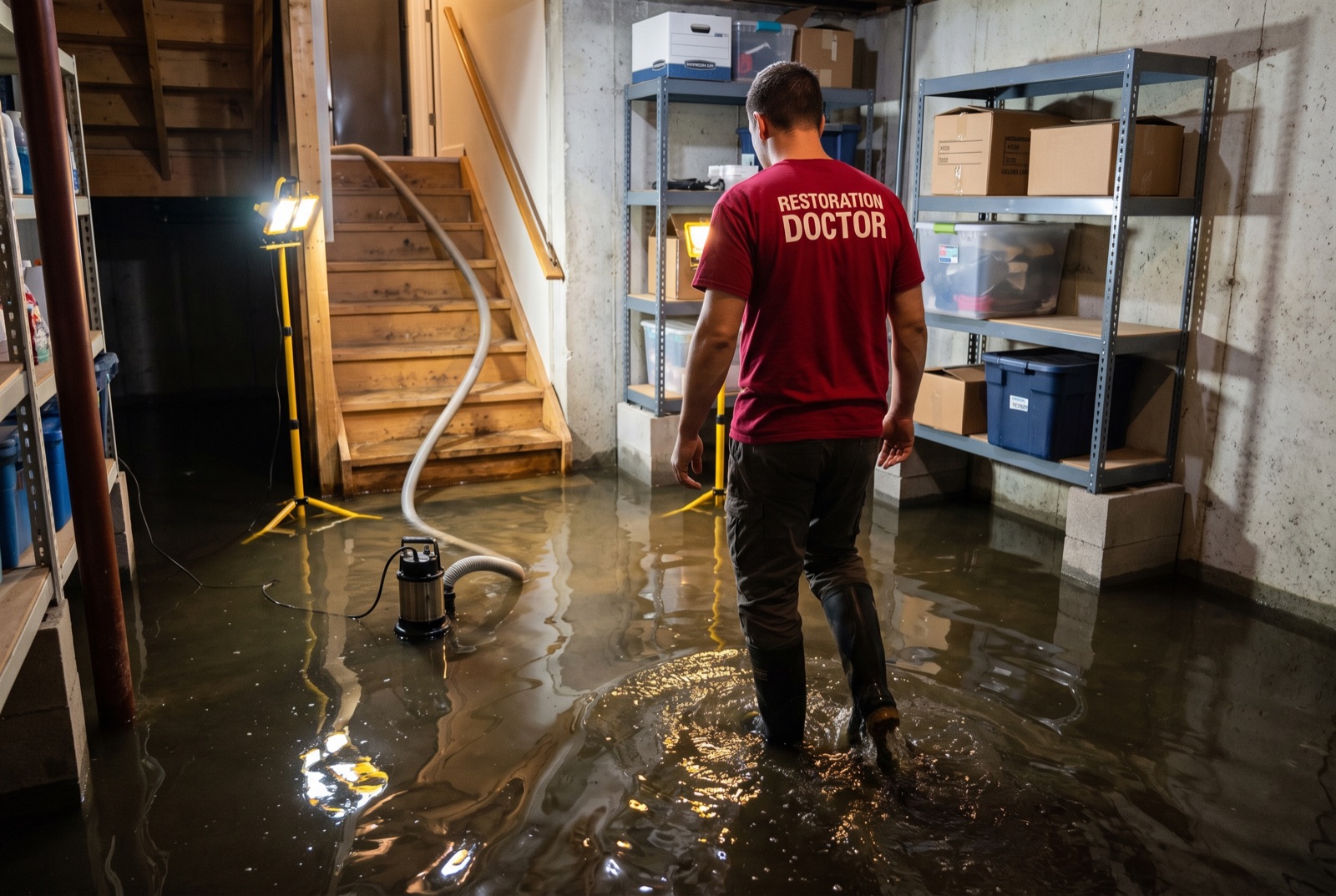
The electrical hazard is the first concern
Basements concentrate electrical infrastructure — the panel, outlets, wiring, the furnace, water heater, and appliances — often at or near floor level. When water rises around energized components, it can become electrically charged, and stepping into it can be fatal. This is the reason every basement-flood guide leads with the same instruction: do not enter the water until power to the area is off.
The catch is that the panel is frequently in the basement itself. If reaching it means standing in water, don't attempt it — contact an electrician or your utility to cut power from outside. Only shut off breakers yourself if you can reach them from a dry position. Assume energized water until proven otherwise.
Contaminated water carries pathogens
The second hazard is what's in the water. Basement flooding often involves Category 3 water under the IICRC S500 standard — sewage backups, storm and outdoor floodwater, or water that has picked up contamination. This water can carry bacteria, viruses, and other pathogens, and contact or inhalation of aerosols poses a real health risk.
Category 3 water isn't something to mop up in shorts and sandals. It requires protective equipment, proper handling, and disposal of porous materials it contacted. Even water that started clean degrades toward contaminated the longer it sits, especially mixing with whatever is stored in a basement.
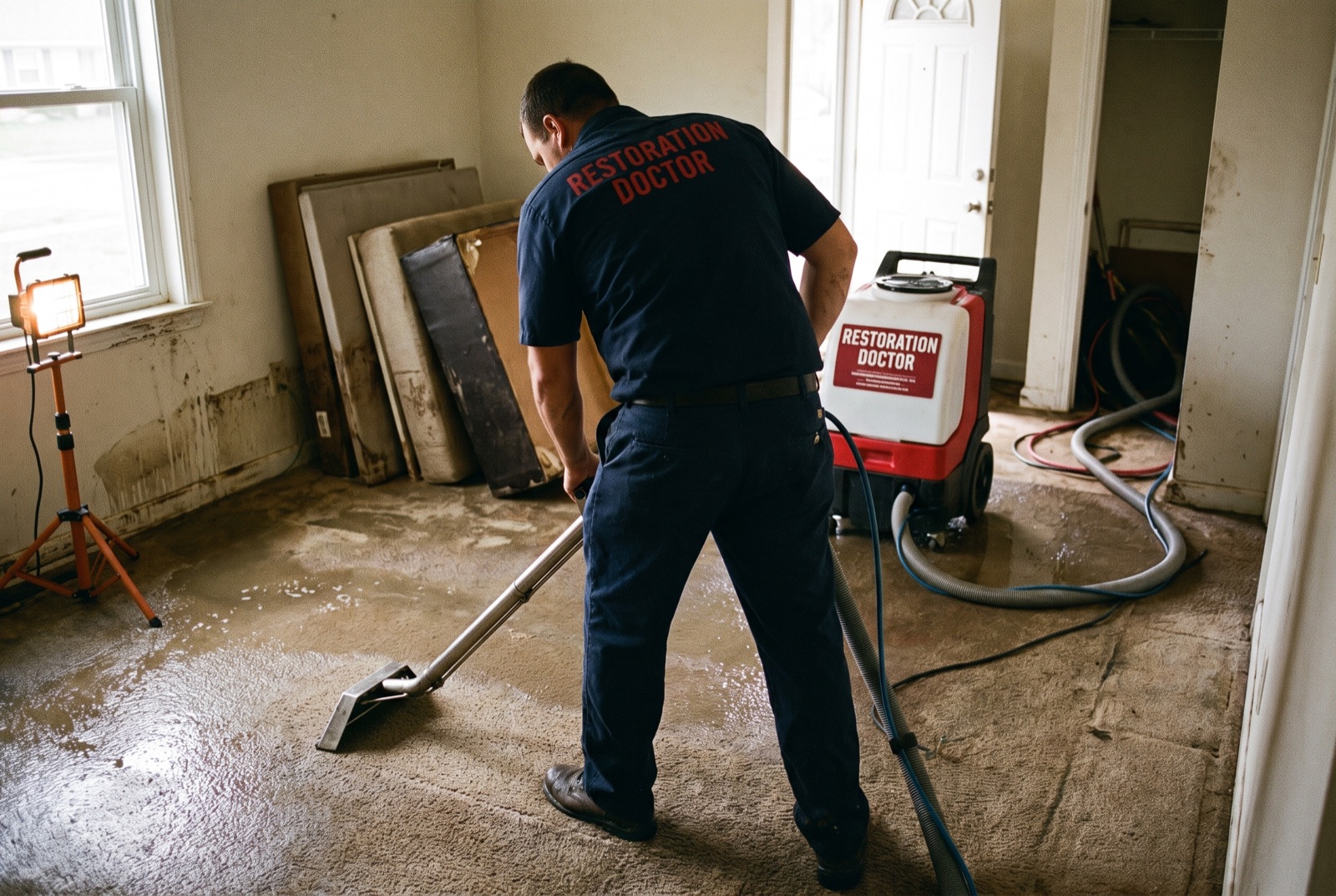
Secondary dangers build over time
Beyond the immediate risks, a flooded basement that isn't dried properly is at real risk for mold within days, and below-grade spaces are slow to dry, extending the exposure window. Saturated materials can also become structurally compromised, and gas appliances or utilities affected by water introduce their own concerns. Damp basements can additionally raise humidity throughout the home.
These slower hazards are why extraction and drying shouldn't wait — the danger doesn't end when the visible water recedes.
Let professionals handle the risky parts
Given electrical and contamination risks, a flooded basement is a situation where calling professionals is a safety decision, not just a convenience. Restoration crews arrive equipped to work safely around these hazards, extract contaminated water, and dry below-grade spaces properly.
Restoration Doctor responds 24/7 across Northern Virginia, Maryland, and D.C. and handles Category 3 water and basement drying with the right protection and equipment. Once power is confirmed off and everyone is clear of the water, call 1-888-29-FLOOD.
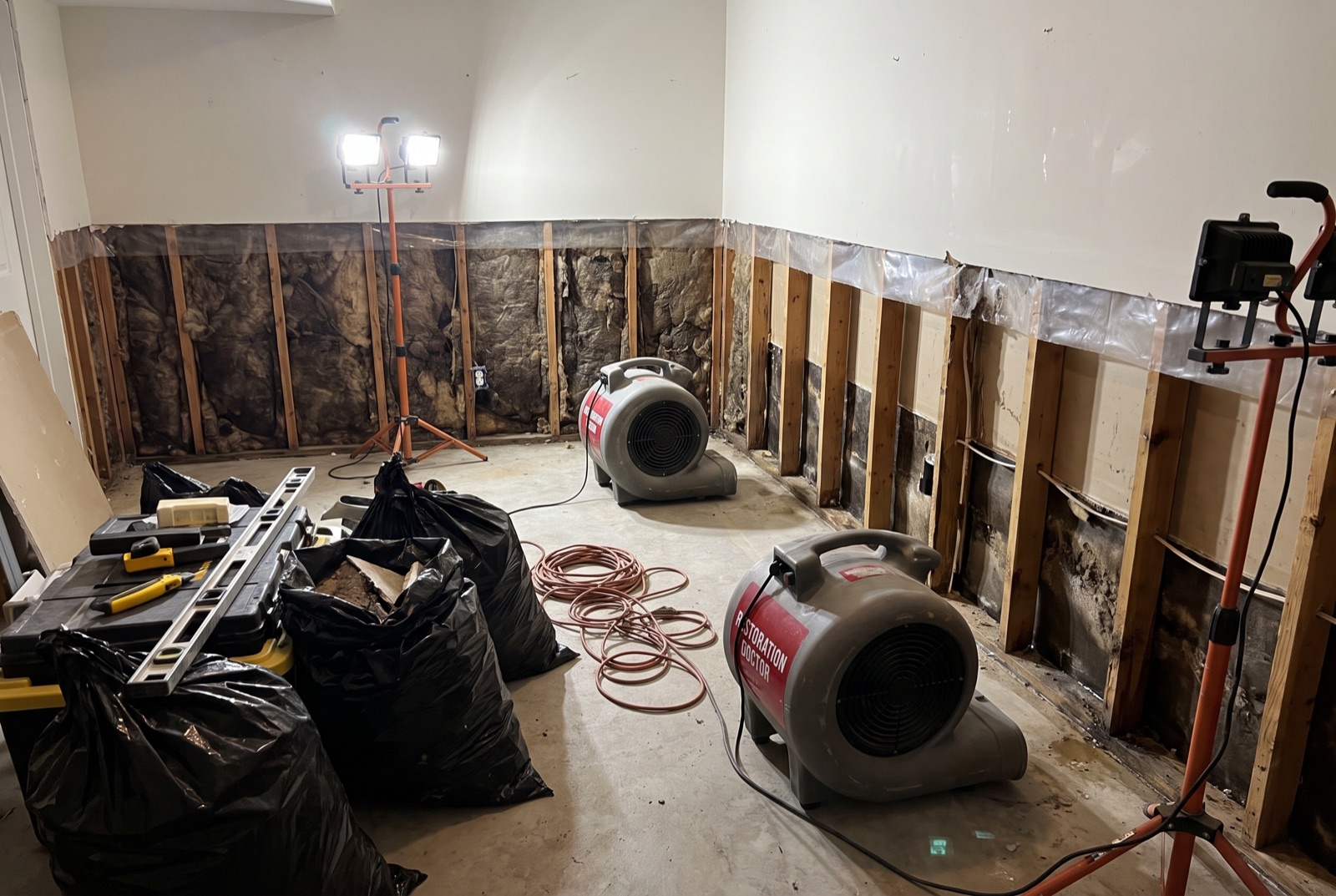
Water Damage Restoration
Extraction, structural drying, and moisture verification for burst pipes, appliance leaks, and basement flooding.
Frequently asked
Related questions
What should you do when your basement floods?
How do you get water out of a flooded basement?
Can carpet be saved after a basement flood?
How long does it take to dry out a flooded basement?
Active water, mold, fire, or sewage event?
Connect directly with the Restoration Doctor team for your region. Crews are on standby 24/7 with documented response protocols.