
Does insurance cover burst pipes?
Generally yes. Sudden and accidental pipe bursts are a classic covered peril under standard homeowners policies, including the resulting water damage to your home and belongings. Freeze-related bursts are typically covered if the home was heated. Common exclusions: gradual leaks, long-term neglect, and freezes in unheated vacant homes. Policies vary — review yours.
What a standard policy typically covers
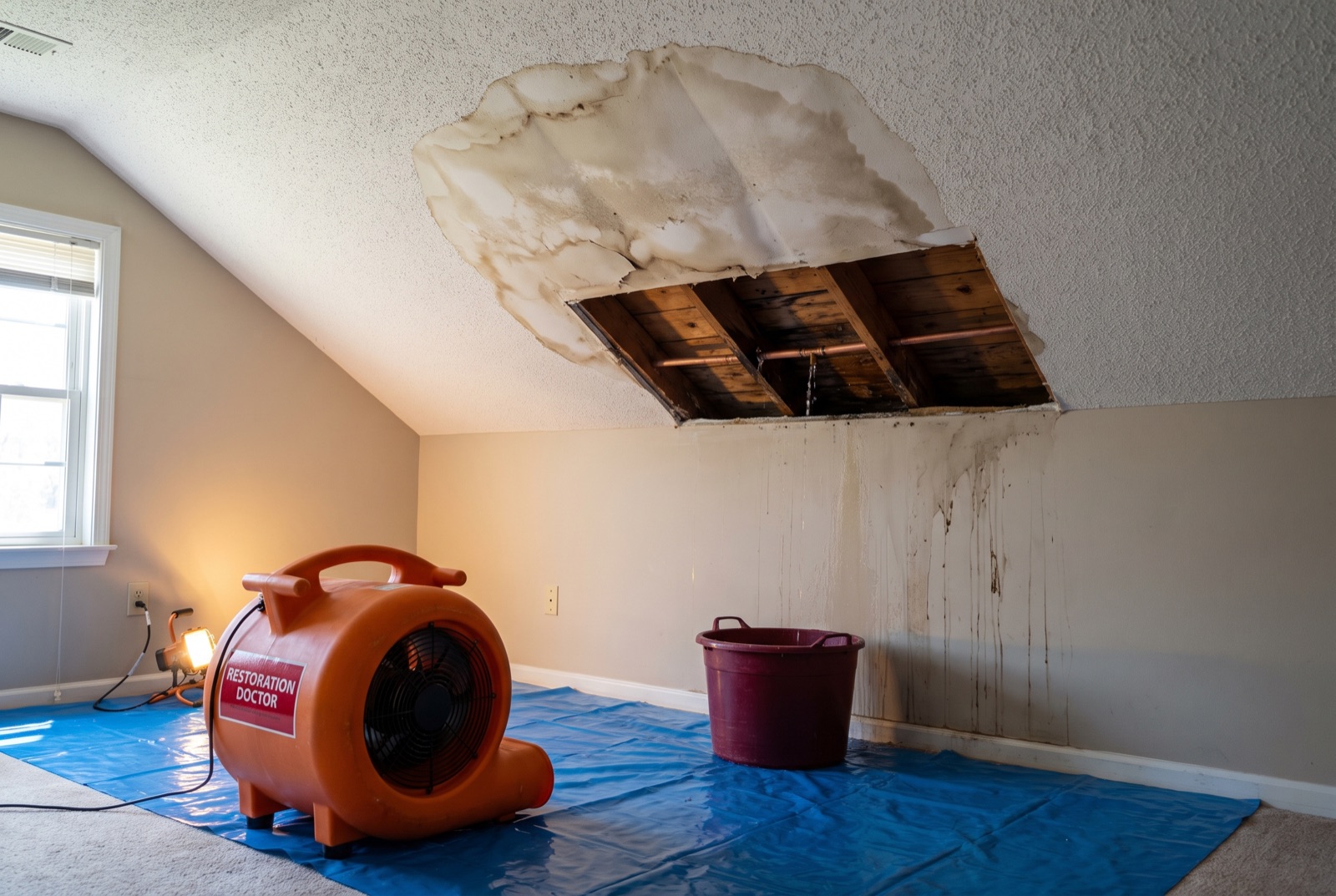
Homeowners insurance is built around sudden, accidental losses — and a pipe that bursts is the textbook example. When a supply line, fitting, or appliance connection fails abruptly, standard policies typically cover the resulting water damage: tearing out and replacing wet drywall and flooring, drying the structure, repairing ceilings, and replacing damaged personal property, subject to your deductible and limits.
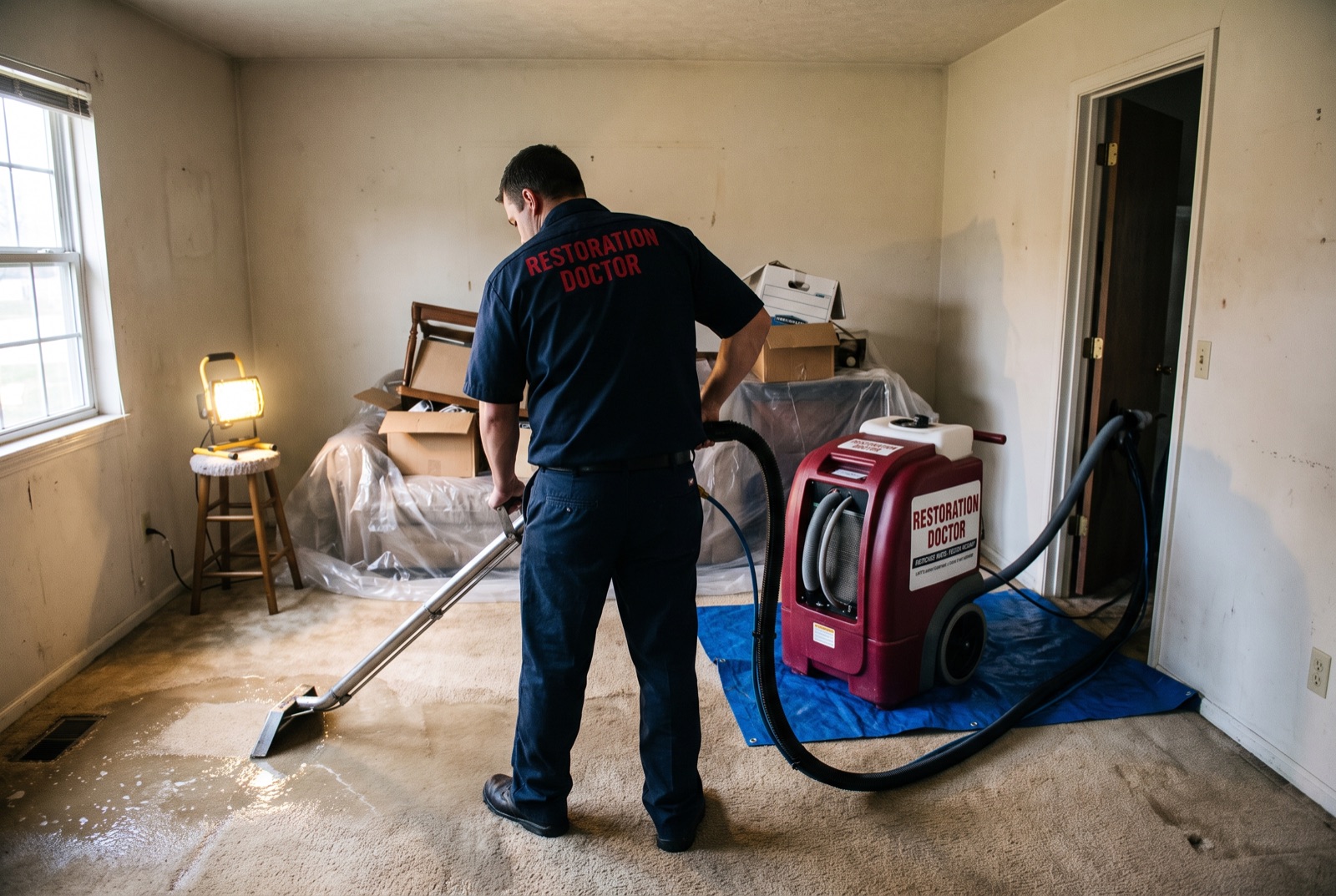
One nuance surprises many homeowners: the water damage is covered, but the plumbing repair itself often isn't — the failed pipe is considered a maintenance item. Policies do, however, commonly cover the cost of tearing out and restoring the part of the structure needed to access the failed pipe. Emergency mitigation is generally covered as well, and most policies affirmatively require you to take prompt, reasonable steps to prevent further damage — which means calling for water extraction immediately helps your claim rather than jeopardizing it.
Frozen pipes: covered, with a heat condition
Bursts caused by freezing are typically covered — this is a sudden peril, not wear and tear — but most policies attach a condition: if the home was unoccupied or vacant, you must have maintained heat or shut off the water and drained the system. Leave a winter home unheated with the water on, and a freeze burst can be excluded.
For occupied homes that lose heat unexpectedly — a furnace failure or power outage during a cold snap — coverage generally holds, since maintaining reasonable heat is exactly what you were doing. Document the circumstances: thermostat settings, the outage or breakdown, and the timeline. As always, exact language varies by carrier and policy form, so check your conditions section rather than assuming.
The common reasons burst-pipe claims get denied
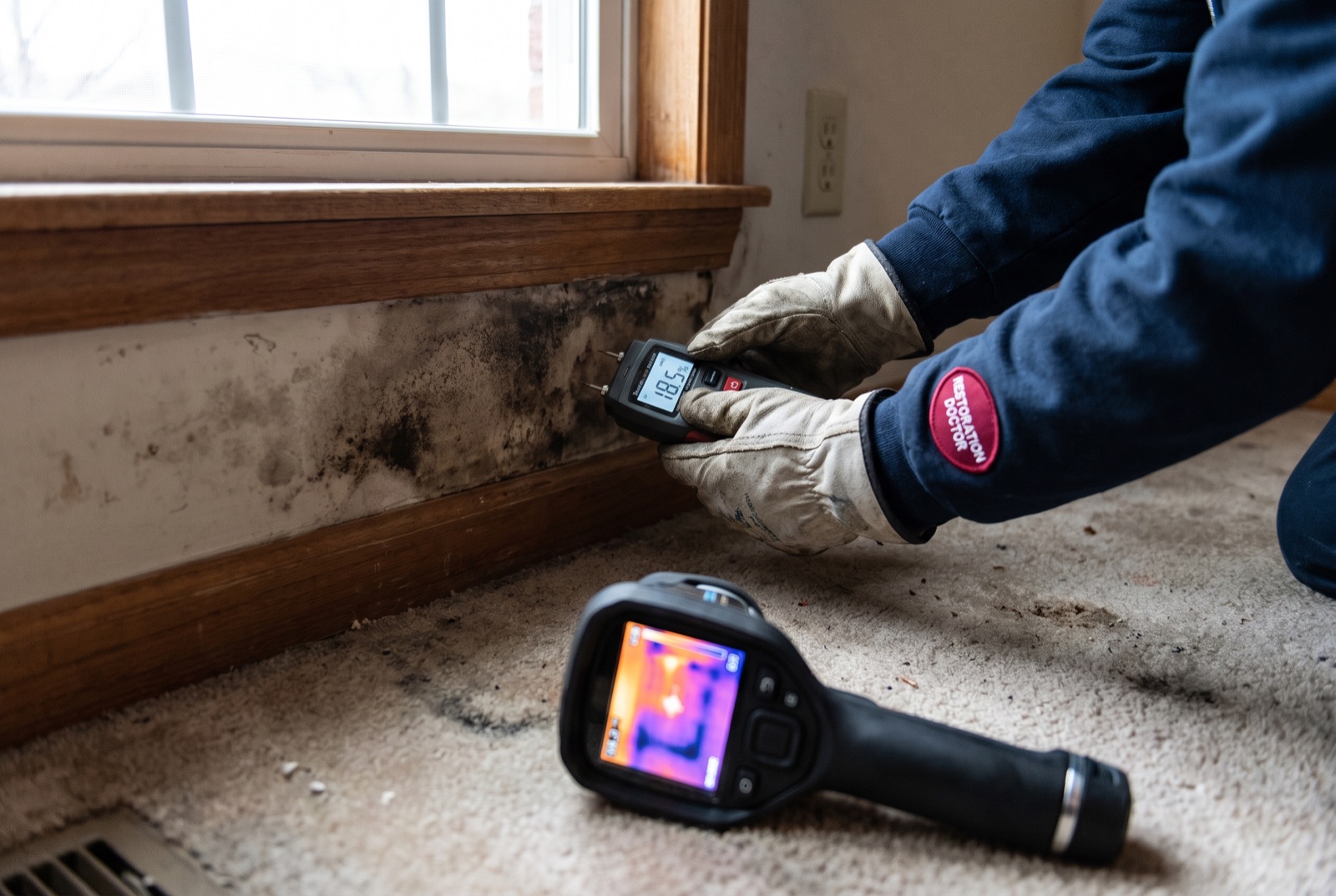
Most denials trace to one of three findings. First, gradual damage: if the adjuster concludes the pipe leaked slowly over weeks or months — corrosion stains, long-term rot, established mold — the loss shifts from "sudden" to "neglected maintenance," which policies exclude. Second, the unheated-home condition described above. Third, late reporting and poor documentation, which make it hard to establish that the loss was sudden at all.
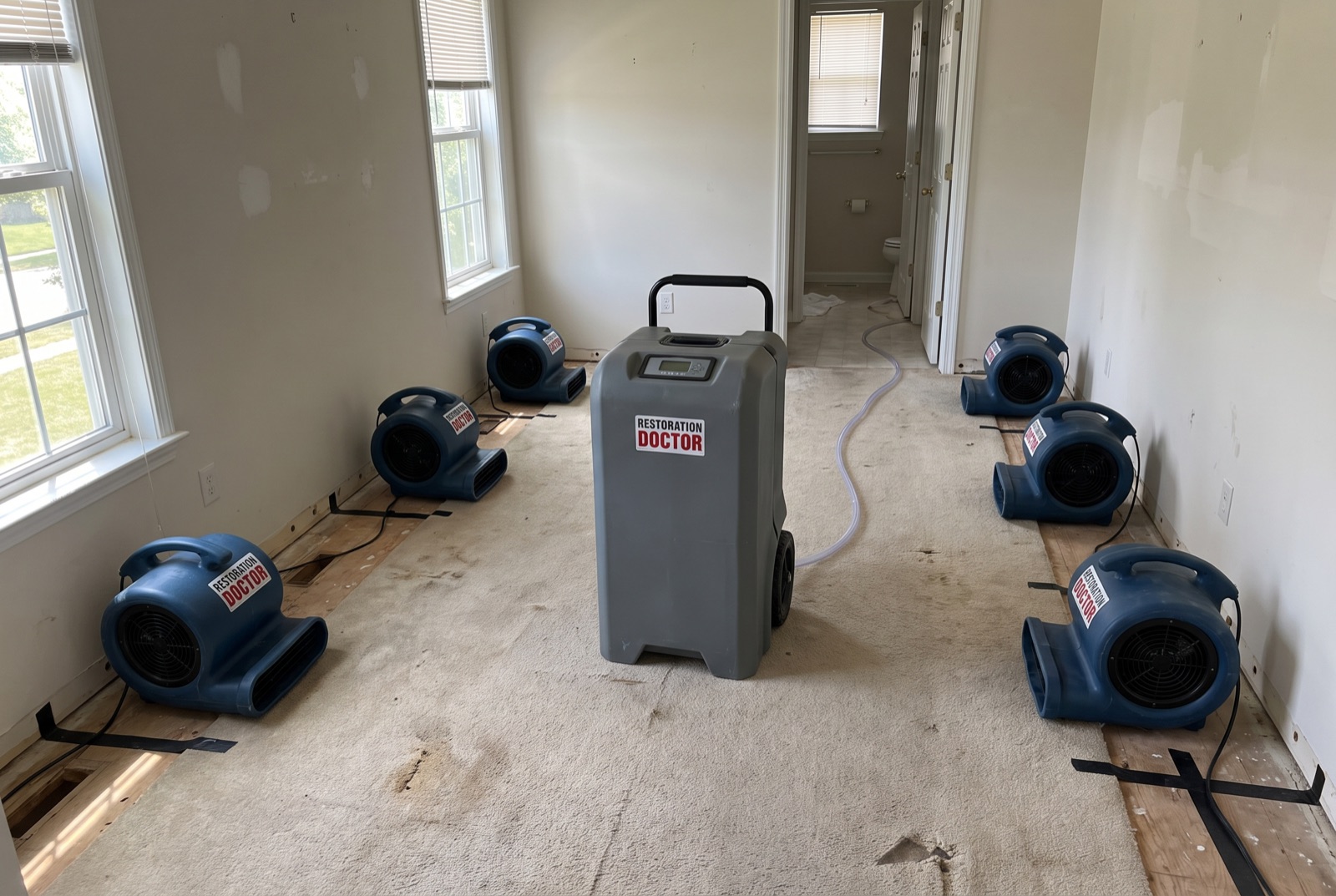
Your protection against all three is speed and evidence: report promptly, photograph everything before cleanup, keep the failed pipe section if it's cut out, and get professional mitigation with real documentation — moisture maps, daily drying logs, and photo records per the IICRC S500 standard give the adjuster verifiable facts instead of guesswork.
Working the claim the right way
Stop the water, document the scene, notify your carrier, and start mitigation without waiting for adjuster approval — prompt loss prevention is your policy obligation, and delay only grows the uncovered portion of the risk. Keep every receipt, and keep damaged materials available for inspection until the carrier releases them. Restoration Doctor handles burst-pipe losses across Northern Virginia, Maryland, and D.C. with carrier-ready documentation on every job, 24/7 — call 1-888-29-FLOOD.
Water Damage Restoration
Extraction, structural drying, and moisture verification for burst pipes, appliance leaks, and basement flooding.
Frequently asked
Related questions
Will a frozen pipe always burst?
How much water damage can a burst pipe cause?
Does homeowners insurance cover water damage?
Why would a water damage claim be denied?
Active water, mold, fire, or sewage event?
Connect directly with the Restoration Doctor team for your region. Crews are on standby 24/7 with documented response protocols.