
How do I keep my pipes from freezing?
Keep your thermostat at 55°F or higher around the clock, drip faucets served by exterior-wall pipes during hard freezes, open cabinet doors under sinks, insulate pipes in attics, crawl spaces, and garages, disconnect garden hoses before winter, and seal air leaks near pipe runs. Traveling? Keep heat on — or shut off and drain the system.
During a cold snap: the immediate checklist
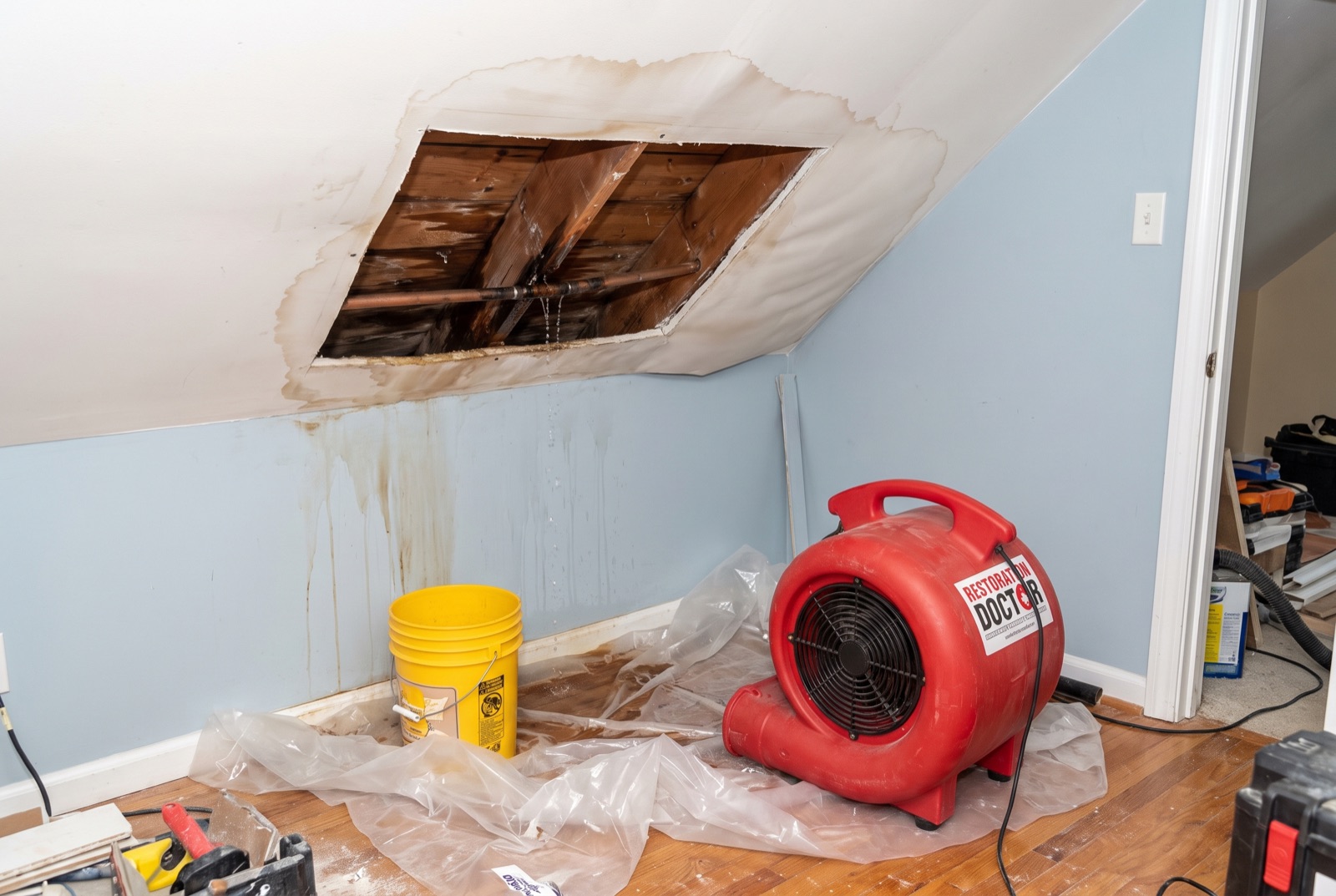
When forecasts show temperatures headed to around 20°F or below for several hours, a few same-day actions dramatically cut your risk. Set the thermostat no lower than 55°F, day and night — nighttime setbacks are how many freeze losses start, because the coldest hours coincide with the least heat. Open a slow drip, both hot and cold, at faucets whose supply lines run through exterior walls; moving water resists freezing, and the open path relieves the pressure spike that actually bursts pipes.
Open cabinet doors under kitchen and bathroom sinks on exterior walls so room heat reaches the plumbing. Keep garage doors closed if any water lines run through the garage. If you have a crawl space, close its vents for the cold snap. And if a hard freeze arrives with a power outage or furnace failure, treat it as urgent: the house loses its protective heat within hours, and shutting off the main and draining the lines may be the prudent move if heat can't be restored quickly.
Before winter: harden the vulnerable pipes
Walk your house and find the plumbing in unconditioned or marginal spaces — attics, crawl spaces, garages, exterior walls, and rooms over garages. Those are the pipes that freeze. Wrap them with foam pipe insulation (inexpensive and effective for moderating brief cold) and consider UL-listed heat tape or heat cable, installed per manufacturer instructions, for runs with a freeze history — it's active protection that insulation alone can't match during extended cold.
Seal the cold-air leaks near pipe runs: gaps around sill plates, penetrations where lines pass through walls, crawl-space vents, and rim joists. Wind-driven cold air infiltrating onto a pipe freezes it far faster than still air at the same temperature. Outside, disconnect and drain garden hoses every fall — a connected hose traps water in the hose bib, and that freeze cracks the pipe just inside your wall. Frost-proof hose bibs and interior shut-offs for exterior lines are worthwhile upgrades.
Leaving town in winter: the highest-risk scenario
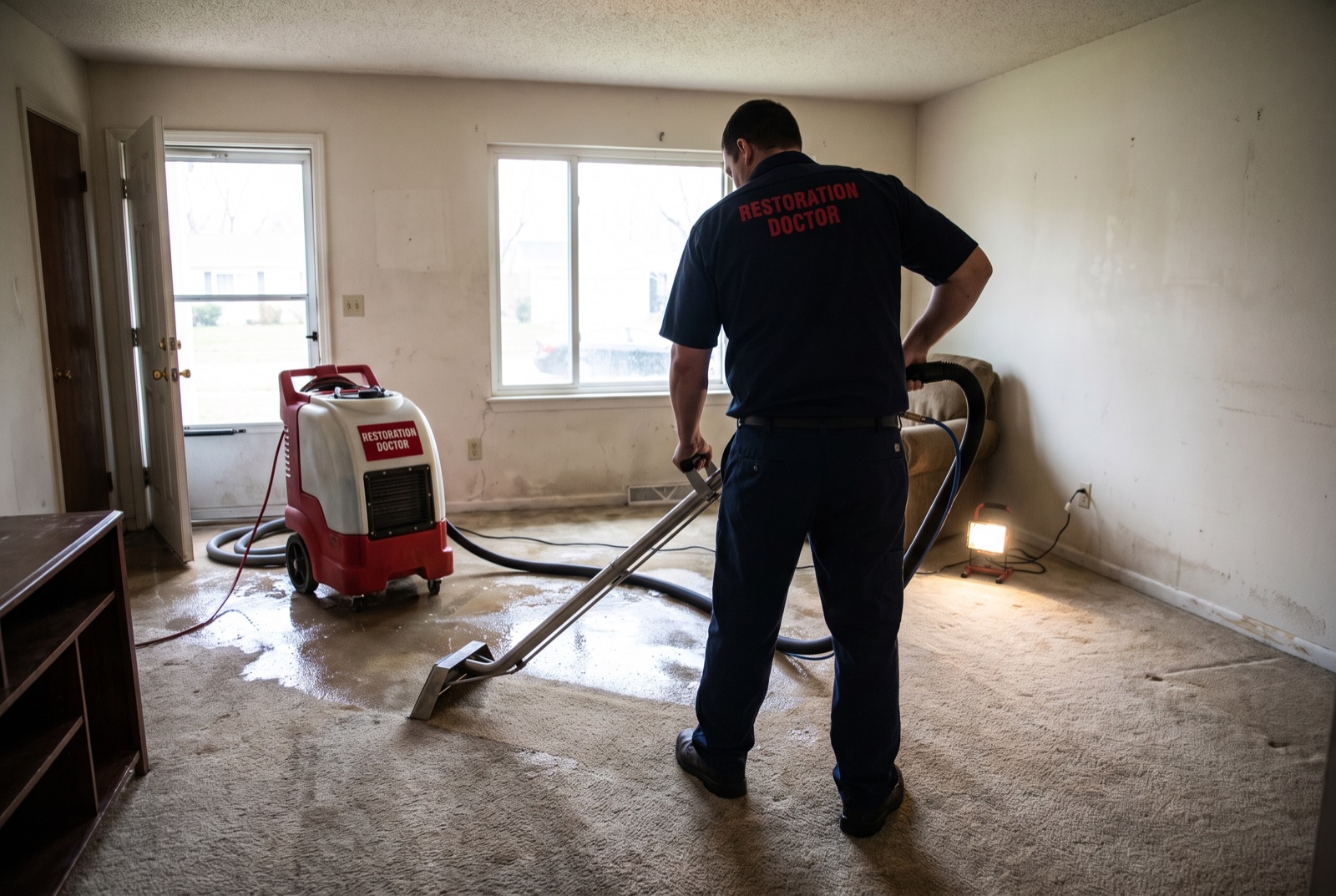
Unoccupied homes are where the catastrophic freeze losses happen — a burst with nobody home runs for days. If you travel in winter, either keep the heat at 55°F or higher, or shut off the main water valve and drain the system by opening faucets after the main is closed. Doing both — heat on and water off — is the belt-and-suspenders approach many plumbing professionals recommend for trips of more than a couple of days.
This isn't just good practice; it can be a coverage condition. Most homeowners policies require that unoccupied homes be heated or have the water shut off and drained for freeze losses to be covered — an unheated vacant home with the water on is a common denial scenario. Policies vary, so check yours. Smart leak detectors and automatic shut-off valves add a real safety net here, alerting your phone and stopping flow at the first sign of water; a Wi-Fi thermostat that alarms on low temperature does the same for heat failures.
If prevention fails
No system is perfect — furnaces fail, power drops during ice storms, and a hidden uninsulated run can surprise you. If a faucet slows to a trickle in freezing weather, act on it immediately: shut off the main before thawing, apply gentle heat, and watch closely as flow returns. If a pipe has already burst, stop the water and get mitigation moving fast — Restoration Doctor responds 24/7 across Northern Virginia, Maryland, and D.C. Call 1-888-29-FLOOD.
Water Damage Restoration
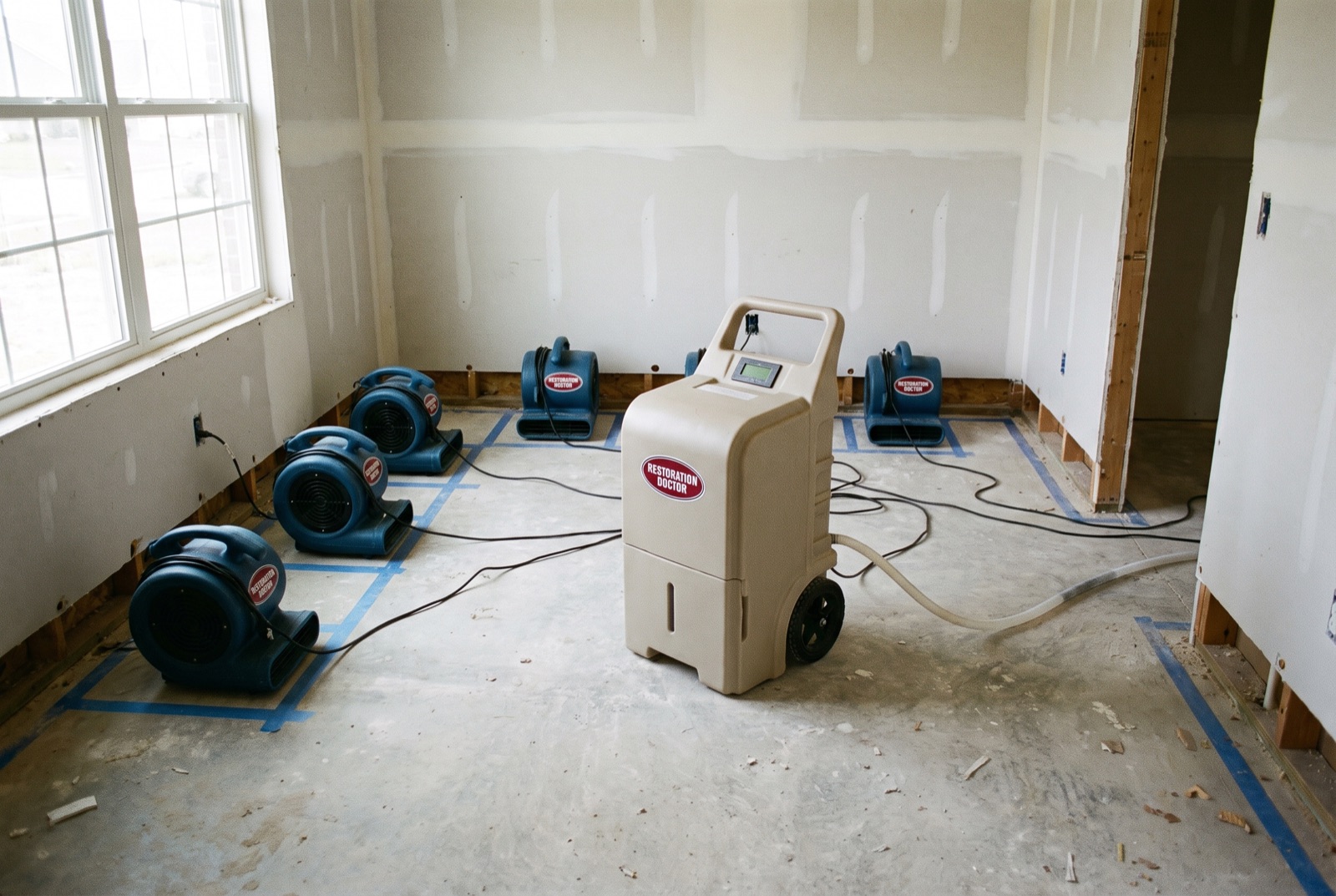
Extraction, structural drying, and moisture verification for burst pipes, appliance leaks, and basement flooding.
Frequently asked
Related questions
At what temperature do pipes freeze and burst?
Why do pipes burst in winter?
How do you thaw frozen pipes safely?
Does insurance cover burst pipes?
Active water, mold, fire, or sewage event?
Connect directly with the Restoration Doctor team for your region. Crews are on standby 24/7 with documented response protocols.