
How do you thaw frozen pipes safely?
Open the affected faucet, then apply gentle heat starting at the faucet end and working back toward the frozen section — a hair dryer, UL-listed heat tape, a heat lamp at safe distance, or towels soaked in warm water. Never use a torch or open flame. Shut off the main water first, because the pipe may already be split and will leak at thaw.
Before you apply any heat
Two preparations make thawing safe. First, open the faucet served by the frozen line — both handles if it's a mixing faucet. This gives melting water and any steam a path out, relieves pressure, and lets you see the moment flow returns. Moving water also accelerates the thaw from the inside once a trickle starts.
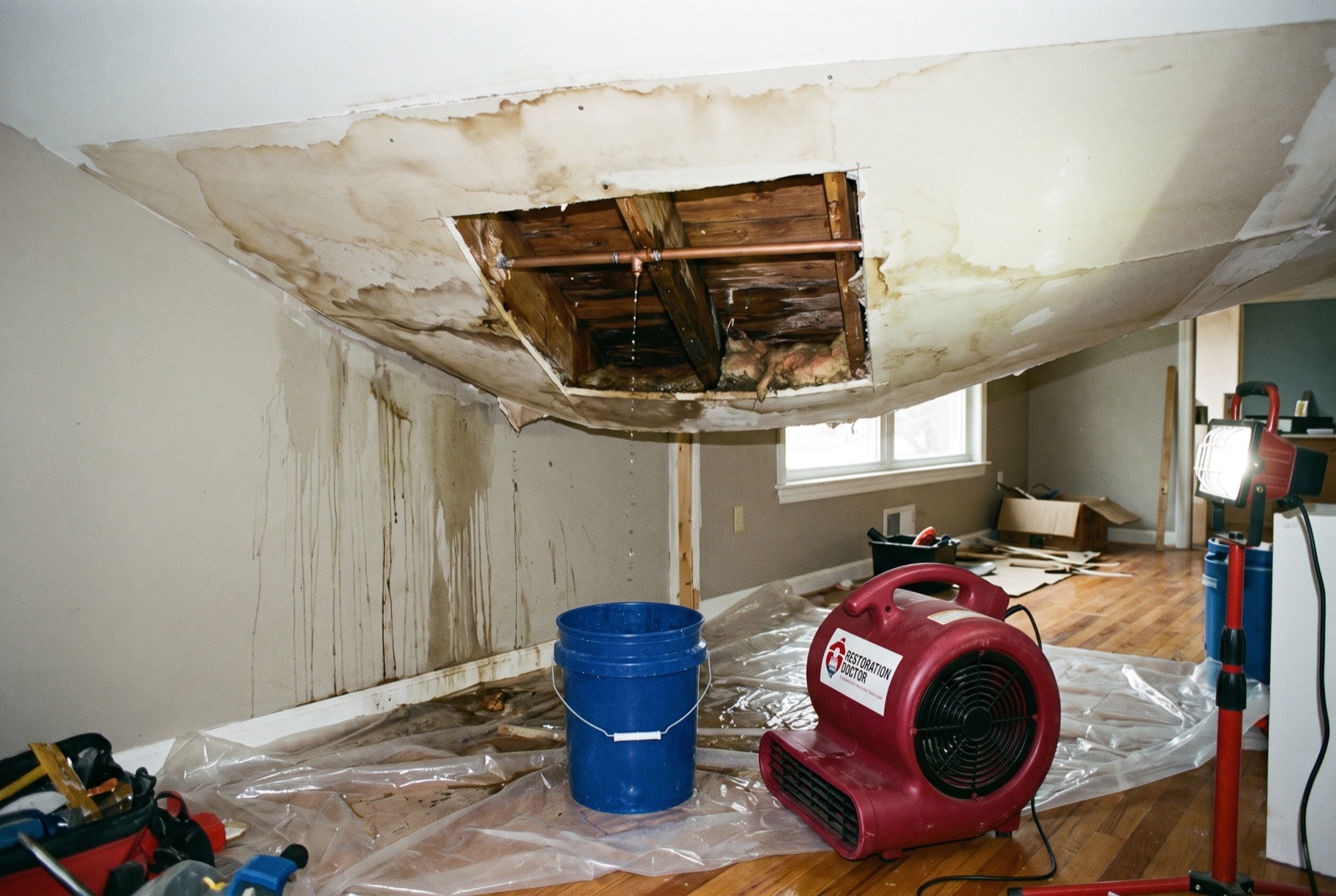
Second, deal with the burst risk before it becomes a flood. Freezing may have already cracked the pipe; the ice is simply plugging its own damage, and the leak starts when the plug melts. The safest move is closing the main shut-off valve before thawing — you'll work with only the water already in the lines. At minimum, know exactly where the valve is and keep it reachable. If you see a bulged or visibly deformed section of pipe, skip DIY thawing entirely and call a professional; that section is likely compromised.
The right way to apply heat
Work from the faucet end of the pipe back toward the freeze. This matters: if you thaw the middle of an ice plug first, melting water and steam get trapped between two ice blocks and pressure can build. Thawing from the open-faucet side gives everything an escape route as you go.
Good heat sources are gentle and gradual: a hair dryer swept along the pipe (the workhorse method — 30 to 60 minutes for a typical accessible freeze), towels soaked in hot water and re-wetted as they cool, UL-listed electrical heat tape wrapped per its instructions, or a heat lamp or portable heater positioned a safe distance from anything combustible and away from any water. Keep electrical devices and their cords clear of standing water and dripping, and never leave a space heater or heat lamp running unattended.
For freezes inside wall or ceiling cavities you can't reach, warm the space instead: raise the thermostat, open cabinet doors under sinks, open the wall's access panels if any exist, and direct a fan of warm room air at the wall section. Cavity freezes take hours — patience beats escalation.
What never to use
No torches, no open flame, no charcoal, and no high-output devices improvised for the job. Open flame on a water pipe is a double hazard: it routinely ignites framing, insulation, and dust inside walls — frozen-pipe thawing fires destroy homes every winter — and it can flash the water inside the pipe to steam, bursting a pipe that had survived the freeze. Boiling water poured on a frozen pipe is also poor practice; the thermal shock can crack the pipe, and the water ends up in the structure.
Skip kerosene or propane heaters in enclosed crawl spaces for the same reasons, plus carbon monoxide. If gentle methods aren't reaching the freeze, that's the signal to bring in a professional with proper thawing equipment — not to reach for something hotter.
Watch the thaw — and act fast if it leaks
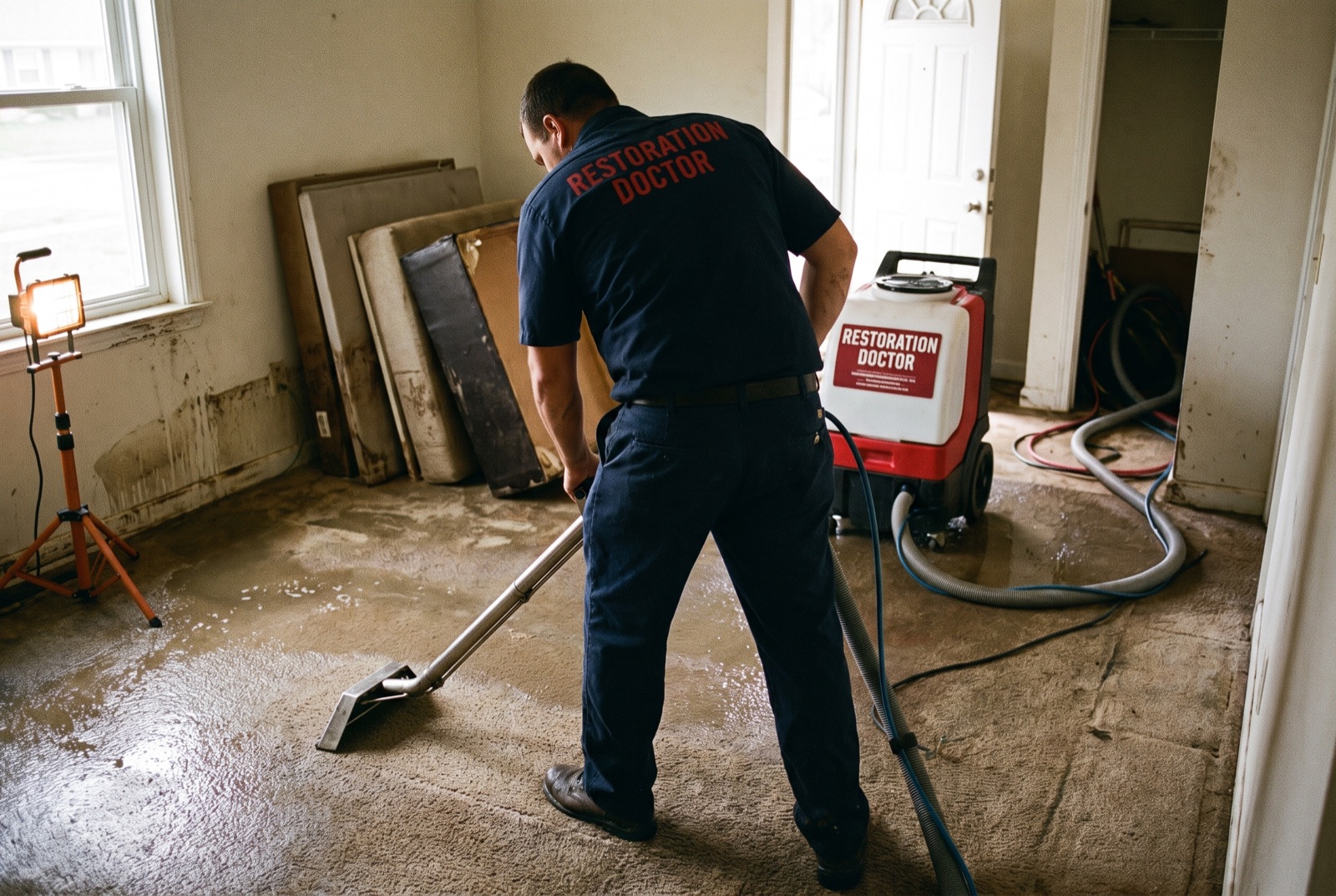
Stay with the pipe as flow returns, and inspect the entire run you can see. Dripping, spraying, hissing inside the wall, or stains blooming on drywall mean the freeze split the pipe: shut the main immediately, open low faucets to drain the system, and get a repair and professional drying moving. Water that entered wall cavities or flooring during even a brief leak will not dry on its own, and anything still wet past 24 to 48 hours is at risk for mold. Restoration Doctor responds 24/7 across Northern Virginia, Maryland, and D.C. — call 1-888-29-FLOOD if the thaw turns into a leak.
Water Damage Restoration
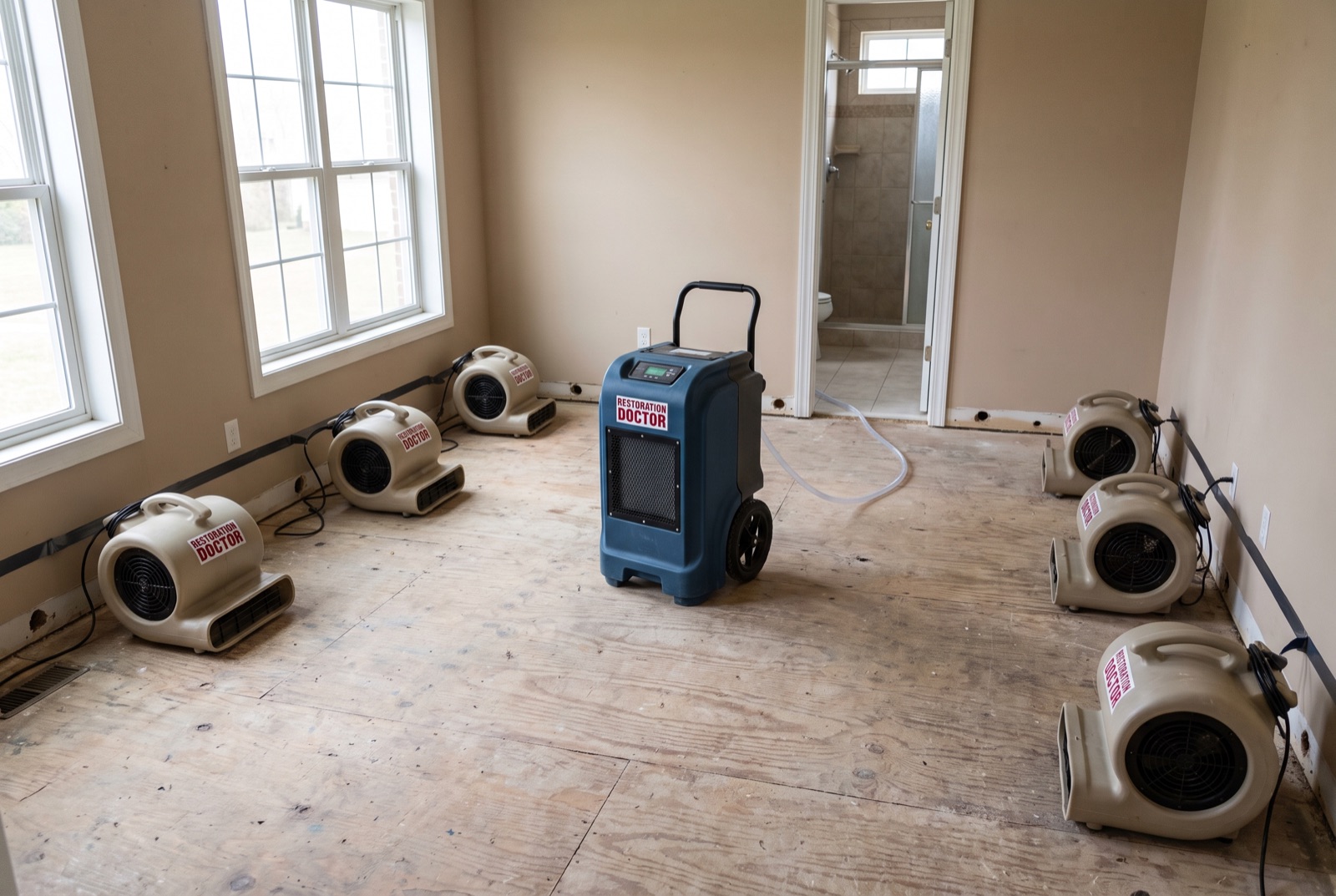
Extraction, structural drying, and moisture verification for burst pipes, appliance leaks, and basement flooding.
Frequently asked
Related questions
How do I know if my pipes are frozen?
Will a frozen pipe always burst?
How do I keep my pipes from freezing?
What do you do when a pipe bursts in your house?
Active water, mold, fire, or sewage event?
Connect directly with the Restoration Doctor team for your region. Crews are on standby 24/7 with documented response protocols.