
What does a burst pipe sound like?
Listen for hissing or whooshing inside walls or ceilings, dripping or trickling where no fixture is running, banging or clanking pipes, and the distinct sound of running water when everything is off. Pair the sound with a pressure drop at faucets or a moving water meter, and you've confirmed an active hidden leak — shut off the main.
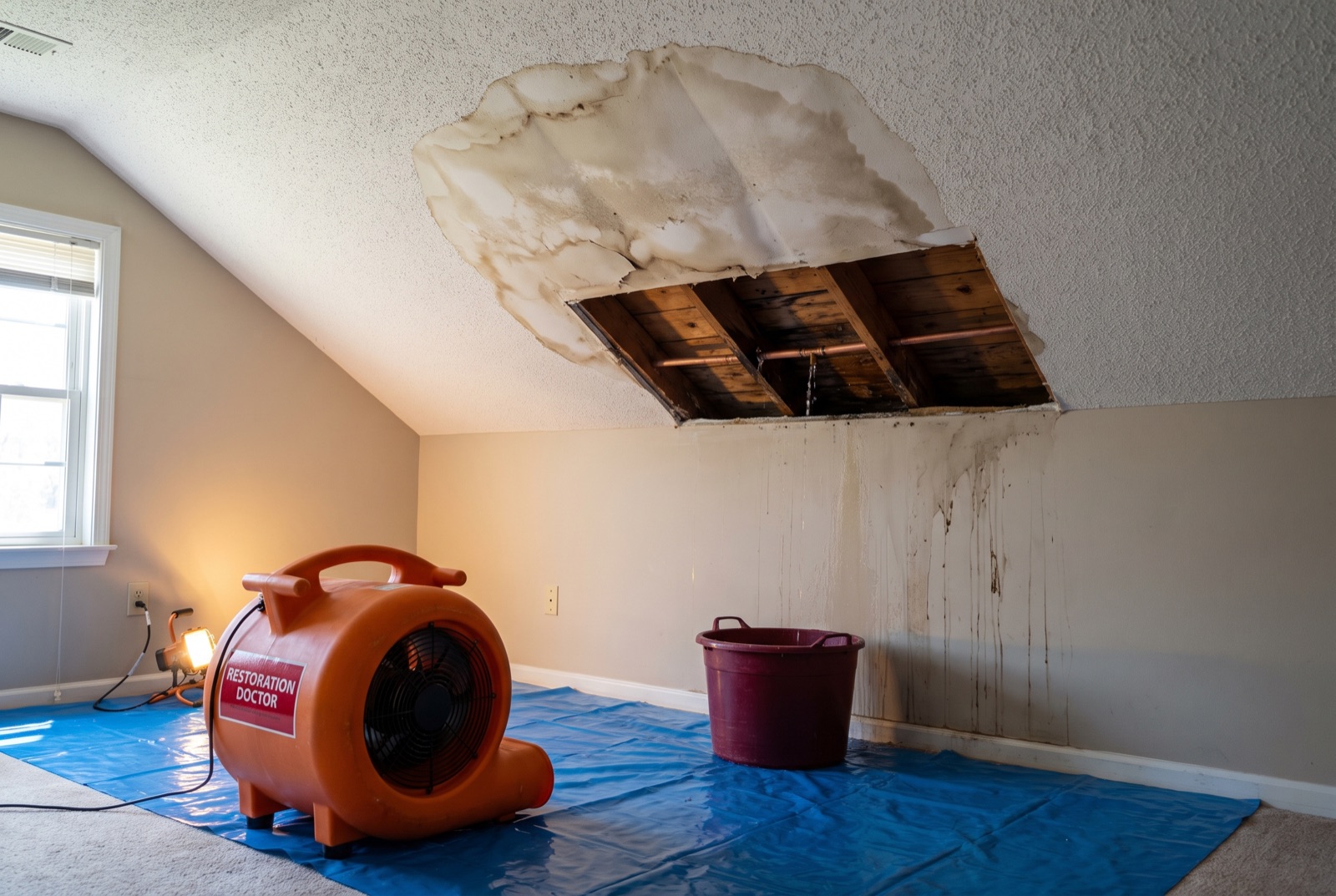
The sounds, decoded
A pressurized leak makes noise in proportion to how it's escaping. A fine spray from a hairline split produces a steady hiss — often mistaken for air in ducts or a running toilet. A larger rupture makes a whooshing or rushing sound, like a faucet running inside the wall. Water falling within a cavity produces dripping, trickling, or pattering, sometimes traveling far from the actual break as water follows framing and pipes downhill.
Banging and clanking deserve attention too. Water hammer — the thud when a valve closes suddenly — stresses joints over time, and new banging in a system that was quiet can signal a failing fitting or a pipe that has come loose and is moving under pressure changes. During freezing weather, whistling or gurgling at fixtures suggests flow squeezing past a partial ice blockage: the pre-burst warning stage.
The single most telling sound is simple: running water when nothing in the house is running. If you can hear water moving with every fixture, appliance, and irrigation zone off, water is going somewhere it shouldn't.
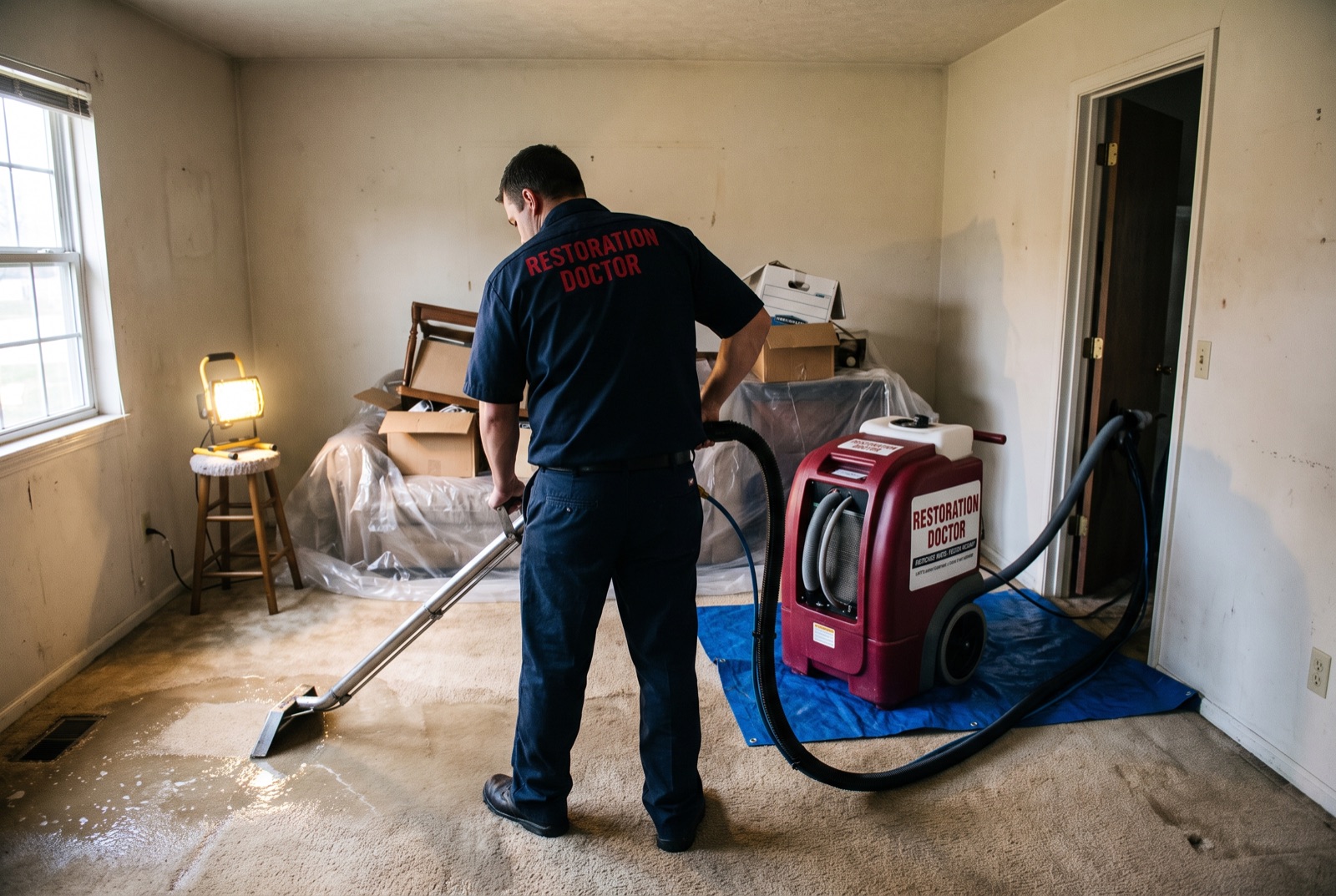
Confirm it with the meter test
Sounds can deceive — ducts, refrigerant lines, and even wind can mimic them — so confirm with your water meter. Turn off every fixture and water-using appliance, then watch the meter (typically at the curb in a ground box, or where the service enters the house). Most meters have a small leak-indicator dial or triangle that spins with even tiny flow. If it's moving with everything off, you have an active leak. Note the reading, wait 30 minutes without using water, and read it again to gauge the leak's size.
To narrow the location, close the valves on individual branches if your home has them (water heater, outside spigots, toilets) and re-check the indicator after each. A leak that stops when you close the water heater's cold inlet points to the hot side; one that persists with everything isolated points to a supply-line break.
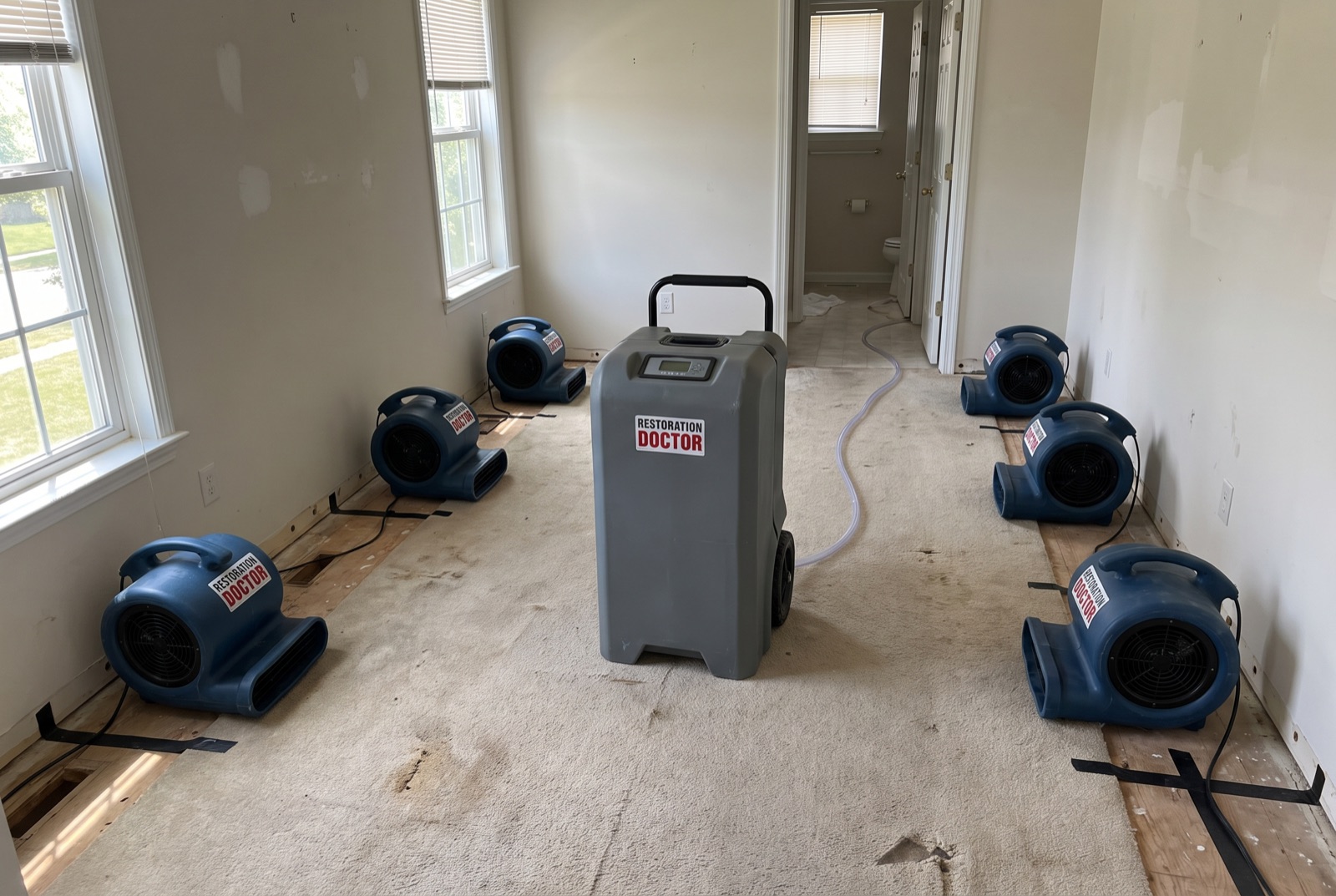
Corroborating signs a pipe has burst in a wall
Sound plus any of these makes the case: a sudden drop in water pressure at fixtures, damp or discolored drywall, paint bubbling or peeling, a warm spot on the floor (hot-side slab leak), musty odor, a water bill that jumped without explanation, or a water heater running more than usual. Thermal imaging and moisture meters — standard tools on a professional leak investigation — can pinpoint the wet zone without opening walls blindly.
Don't wait for a visible stain to act. Drywall can absorb a remarkable amount of water before it shows, and by the time a ceiling bellies or a baseboard swells, the cavity behind it has often been wet for days — mold territory, since anything still wet past 24 to 48 hours is at risk.
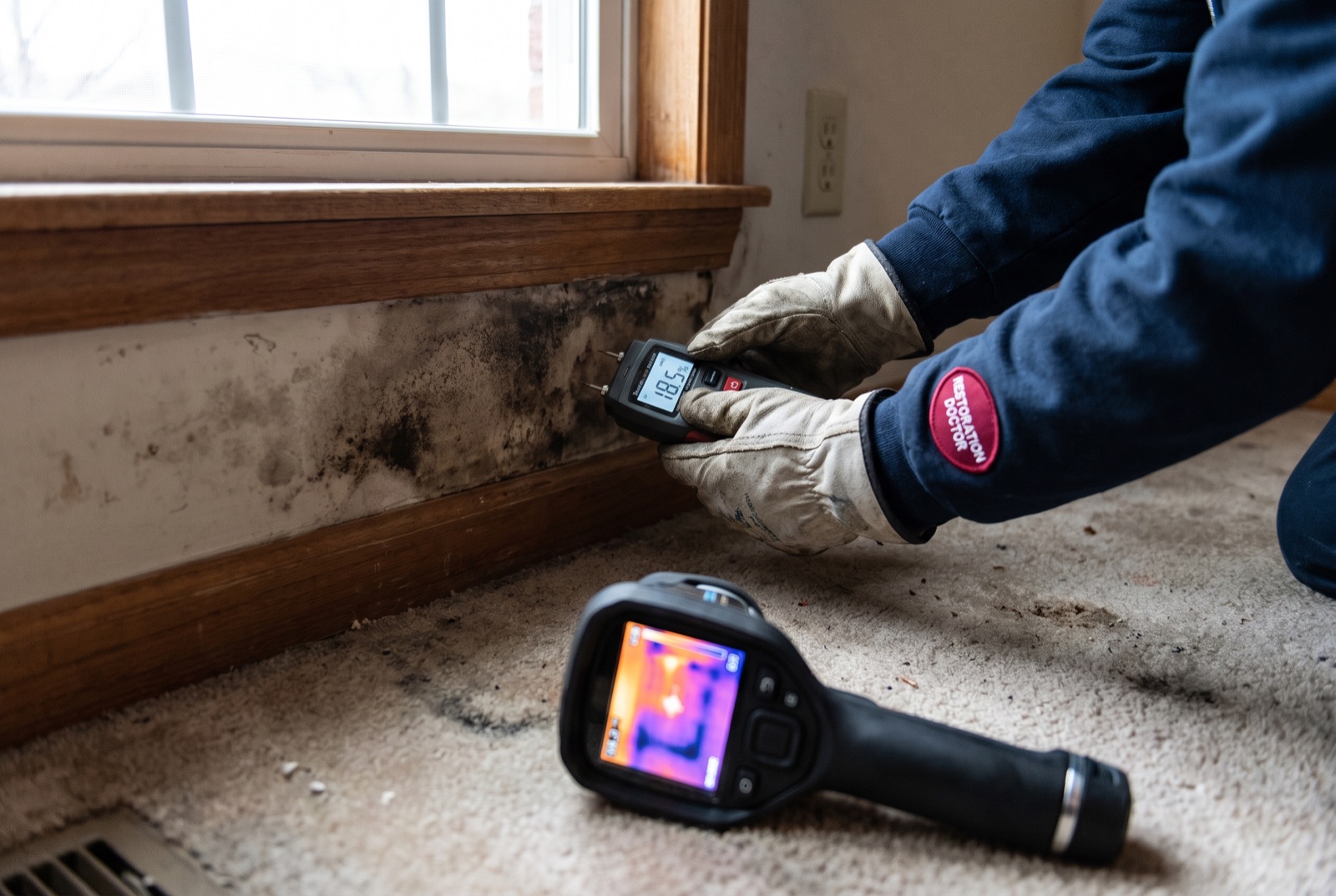
What to do when you hear it
Treat a confirmed hidden leak like the emergency it is: shut off the main water valve, open low faucets to drain the lines, and kill power to affected areas if water is near anything electrical. Then get both trades moving — a plumbing repair for the pipe, and professional mitigation for the water already in the structure. Hidden in-wall leaks almost always require opening the cavity, extracting, and structural drying verified with moisture meters per the IICRC S500 standard; the sooner that starts, the less comes out of the wall. Restoration Doctor responds 24/7 across Northern Virginia, Maryland, and D.C. — call 1-888-29-FLOOD.
Water Damage Restoration
Extraction, structural drying, and moisture verification for burst pipes, appliance leaks, and basement flooding.
Frequently asked
Related questions
What do you do when a pipe bursts in your house?
How do I know if my pipes are frozen?
How much water damage can a burst pipe cause?
What are the first signs of water damage?
Active water, mold, fire, or sewage event?
Connect directly with the Restoration Doctor team for your region. Crews are on standby 24/7 with documented response protocols.