What has to be thrown away after a sewage backup?
Porous materials that contacted the sewage: carpet and pad, upholstered furniture, mattresses, drywall and insulation from the waterline down, particleboard furniture, paper goods, and most cardboard-boxed items. Hard, non-porous surfaces — sealed concrete, tile, metal, solid plastics — can typically be cleaned and disinfected instead. The porous/non-porous line decides almost everything.
The rule that decides it: porous versus non-porous
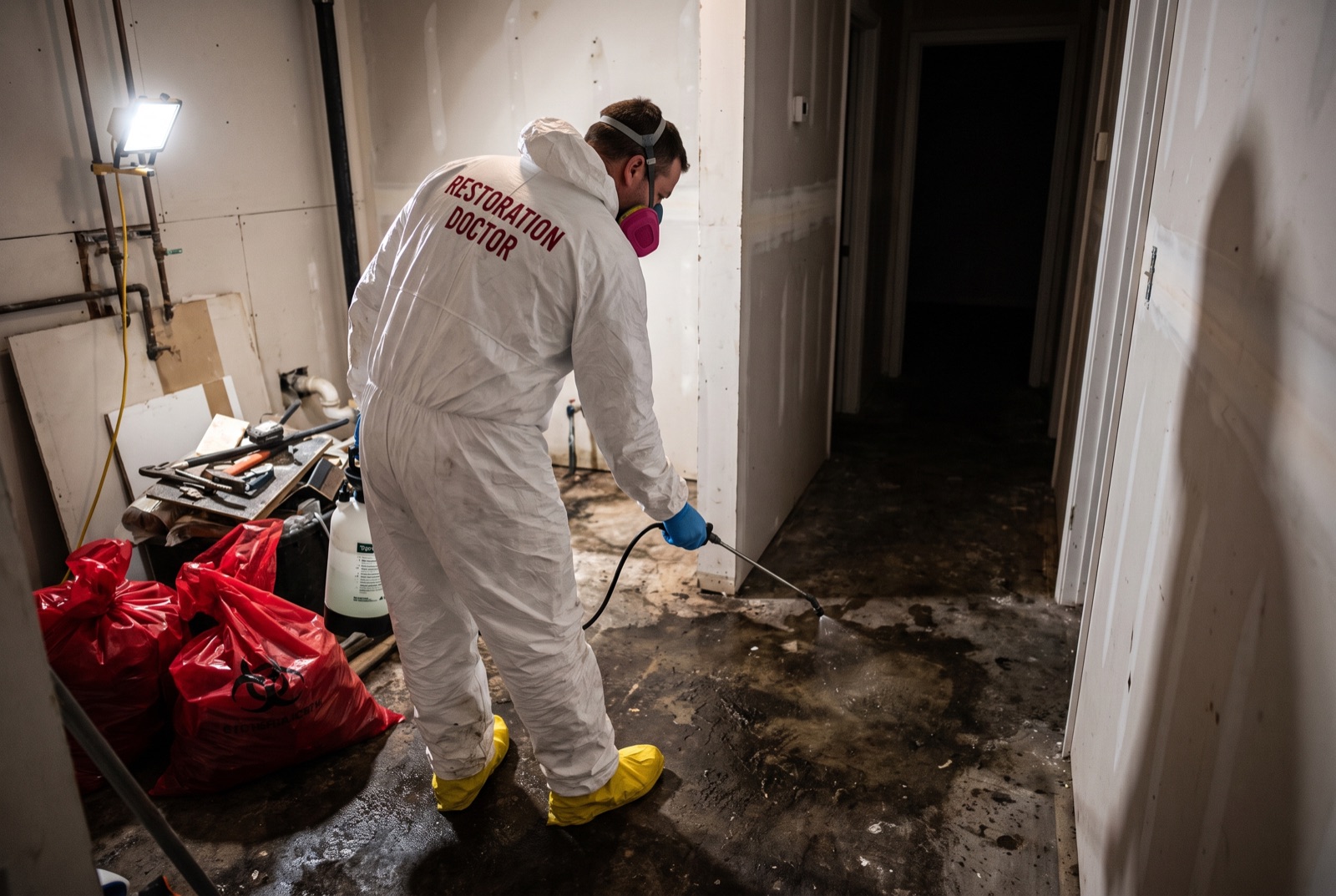
Sewage is Category 3 water under the IICRC S500 standard, and the standard's approach is blunt about porous materials: items that absorb contaminated water generally can't be reliably sanitized, because contamination penetrates below any surface a disinfectant can reach. Disinfection chemistry works on cleanable surfaces — it cannot chase bacteria and viruses into carpet backing, foam cushions, gypsum core, or the recesses of particleboard.
Non-porous materials are the opposite story: sealed concrete, ceramic and porcelain tile, metal, glass, and solid dense plastics don't absorb the contamination and can be cleaned, disinfected with proper products and contact times, and kept. Semi-porous materials — framing lumber, solid hardwood, some subfloor — fall in between and get judged case by case: solid wood that took brief surface contact is often cleanable and saveable; materials that soaked are usually not.
The disposal list
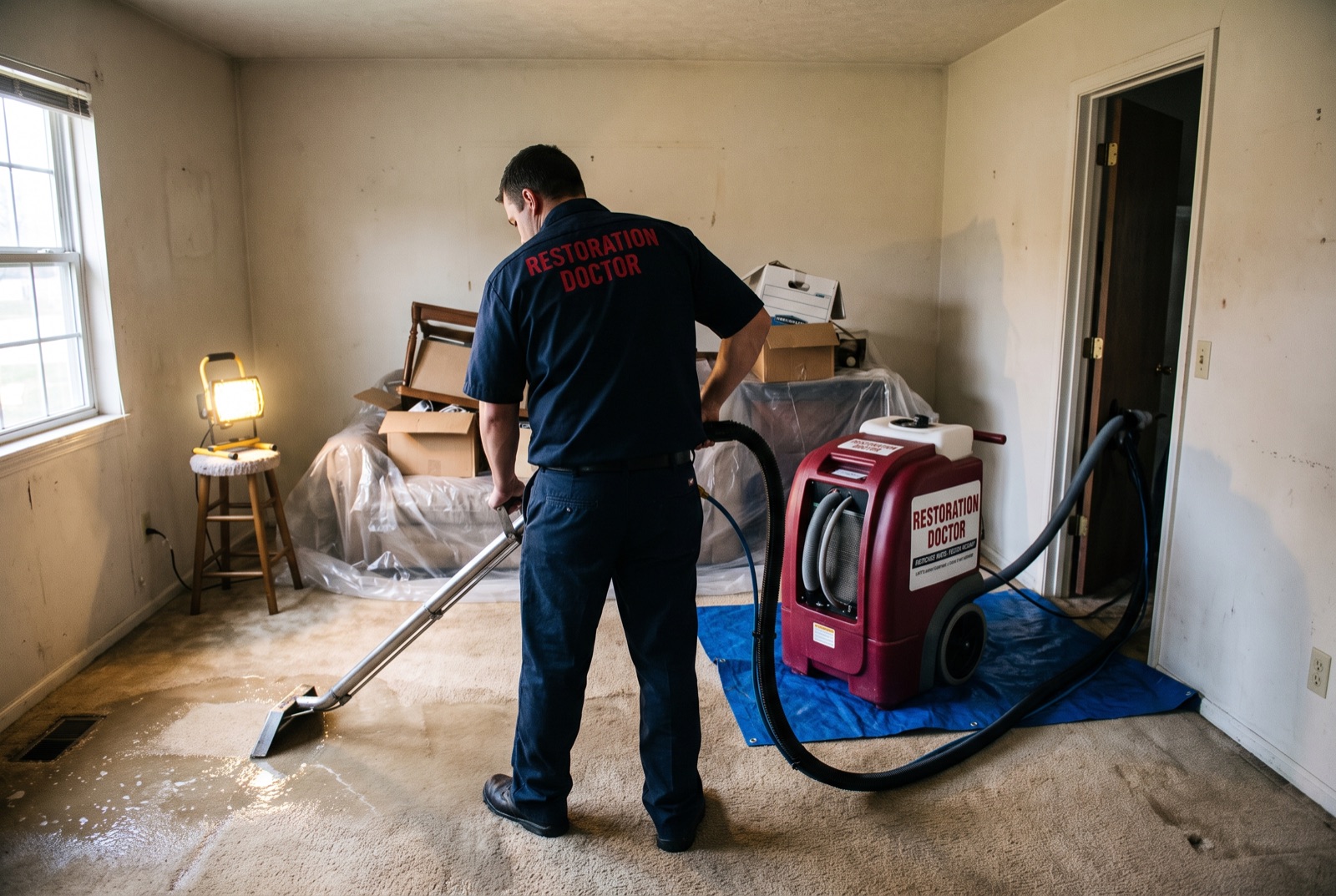
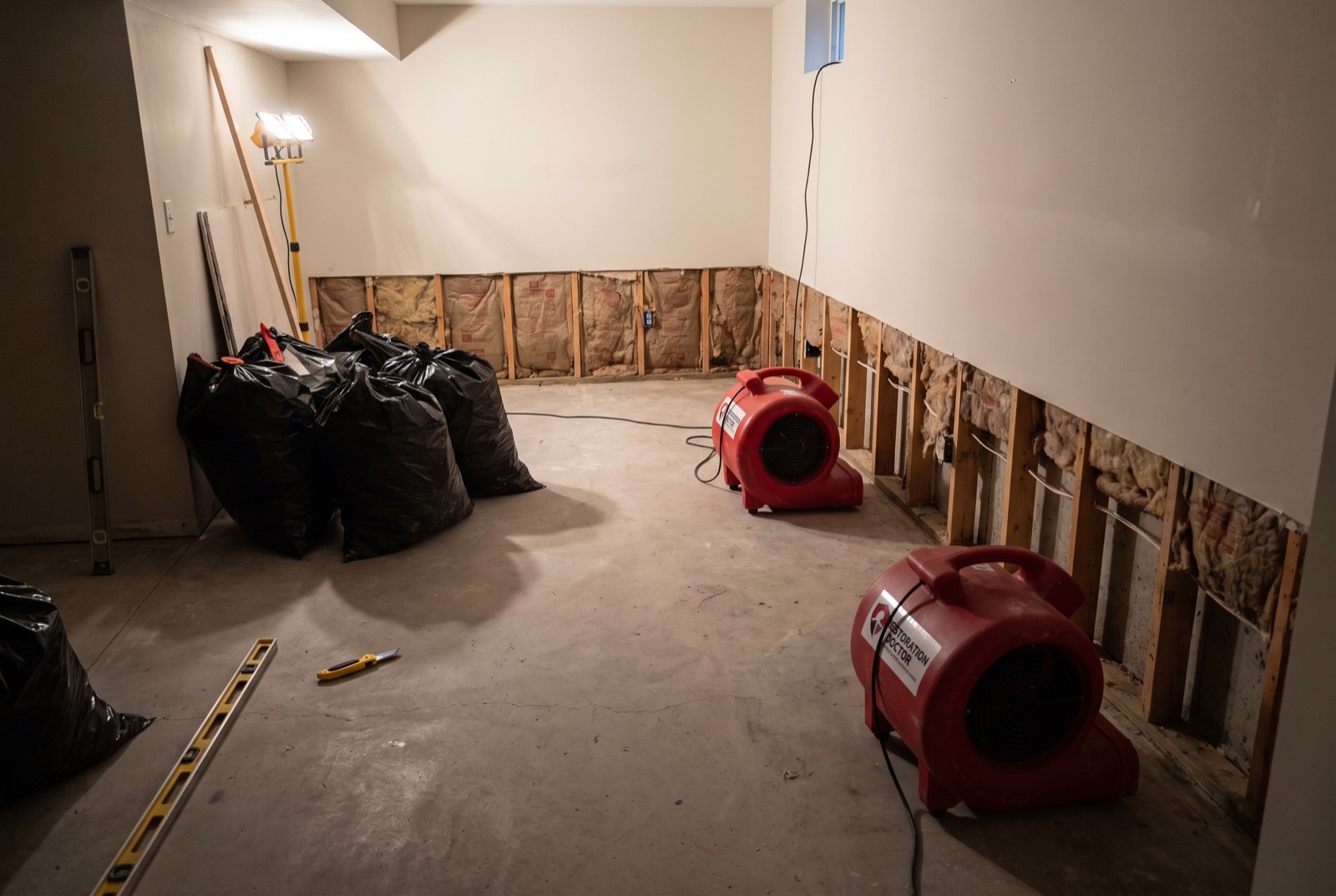
Flooring and structure: carpet and pad that contacted sewage are removed — this is close to automatic. Laminate flooring (absorbent core, water trapped beneath) goes. Drywall that wicked sewage is cut out from the waterline down, typically to a clean line above the highest wicking, along with the insulation behind it, which holds contaminated water indefinitely. MDF baseboards and trim that soaked are removed. Subfloor is evaluated: sealed and briefly exposed plywood may be cleanable; saturated OSB usually is not.
Contents: upholstered furniture and mattresses that touched the water are unsalvageable — foam and batting absorb deeply. Particleboard furniture that wicked from the floor goes. Paper goods, books, cardboard boxes and their absorbent contents, pillows, stuffed toys, and area rugs on the disposal side; children's items that contacted sewage should be discarded without agonizing. Food that contacted sewage or was stored in the affected area in permeable packaging is discarded, as are wooden utensils and plastic cutting boards exposed to it.
The maybes: washable clothing and linens can often be salvaged with hot-water washing and appropriate laundering — heavily soiled items are judgment calls. Solid wood furniture with brief contact frequently cleans up. Electronics that stayed above the waterline are fine; anything sewage reached internally is generally done.
Why keeping questionable items backfires
The instinct to save a sewage-soaked carpet with cleaning is understandable and consistently wrong. Contamination and moisture locked into porous materials produce persistent odor, microbial regrowth, and mold — which converts a completed cleanup into a second, larger project weeks later. The economics rarely favor salvage either: professionally deep-cleaning a contaminated carpet costs a meaningful fraction of replacing it, without the assurance of success.
If you carry a water backup endorsement, disposal of contaminated contents is typically part of the covered loss — document items before they're bagged (photos, descriptions, approximate age and value) and keep the inventory for your claim. Professional crews itemize disposals as standard practice.
Removal is half the job
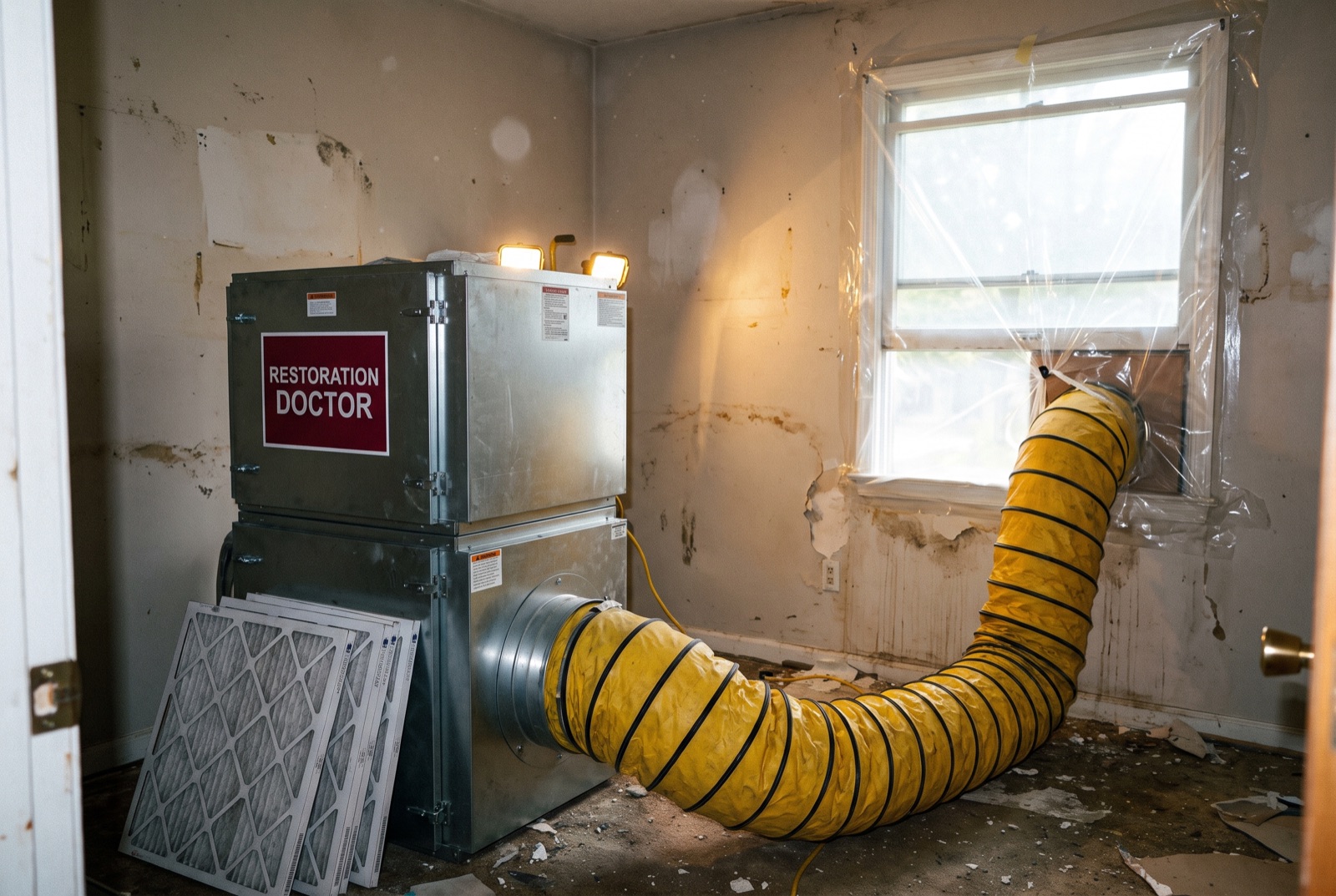
Getting the right materials out is step one; the space still needs professional cleaning and disinfection of remaining surfaces, structural drying verified with moisture readings, and often post-cleanup verification before rebuild. Certified crews handle the sequence — containment, removal and lawful disposal, disinfection, drying, documentation — under IICRC S500 Category 3 protocols. Restoration Doctor provides certified sewage cleanup and rebuild 24/7 across Northern Virginia, Maryland, and D.C.; call 1-888-29-FLOOD.
Sewage & Biohazard Cleanup
Category 3 black-water decontamination with full PPE, safe removal, antimicrobial treatment, and verification.
Frequently asked
Related questions
How do professionals clean up sewage?
Can I clean up sewage myself?
How long does sewage contamination last?
Is sewer backup covered by homeowners insurance?
Active water, mold, fire, or sewage event?
Connect directly with the Restoration Doctor team for your region. Crews are on standby 24/7 with documented response protocols.