
What is considered water damage?
Water damage is any loss caused by water intruding into a structure or onto property where it enables destructive processes — rotting wood, mold growth, swelling and delamination of materials, rusting metal, or staining of finishes. Sources include plumbing failures, appliance leaks, roof intrusion, overflows, condensation, and flooding. The cause and category of the water determine how it's handled and insured.
The working definition
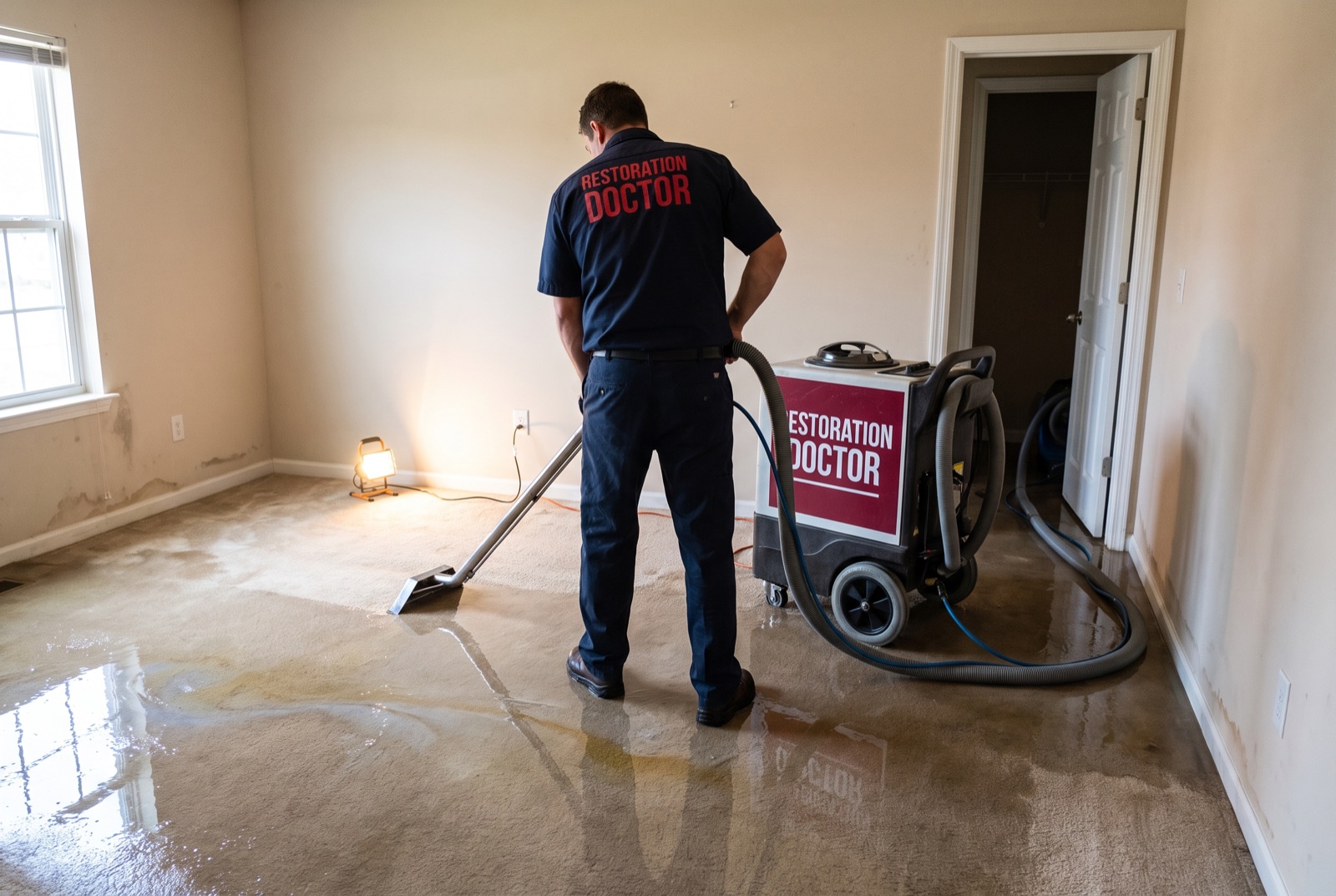
In practical terms, water damage is what happens when water reaches materials that were never meant to be wet, and stays long enough to change them. That covers dramatic events — a burst pipe flooding a kitchen, a storm driving rain through a failed roof — and quiet ones, like a slow drain leak inside a vanity cabinet or condensation chronically wetting a poorly insulated wall.
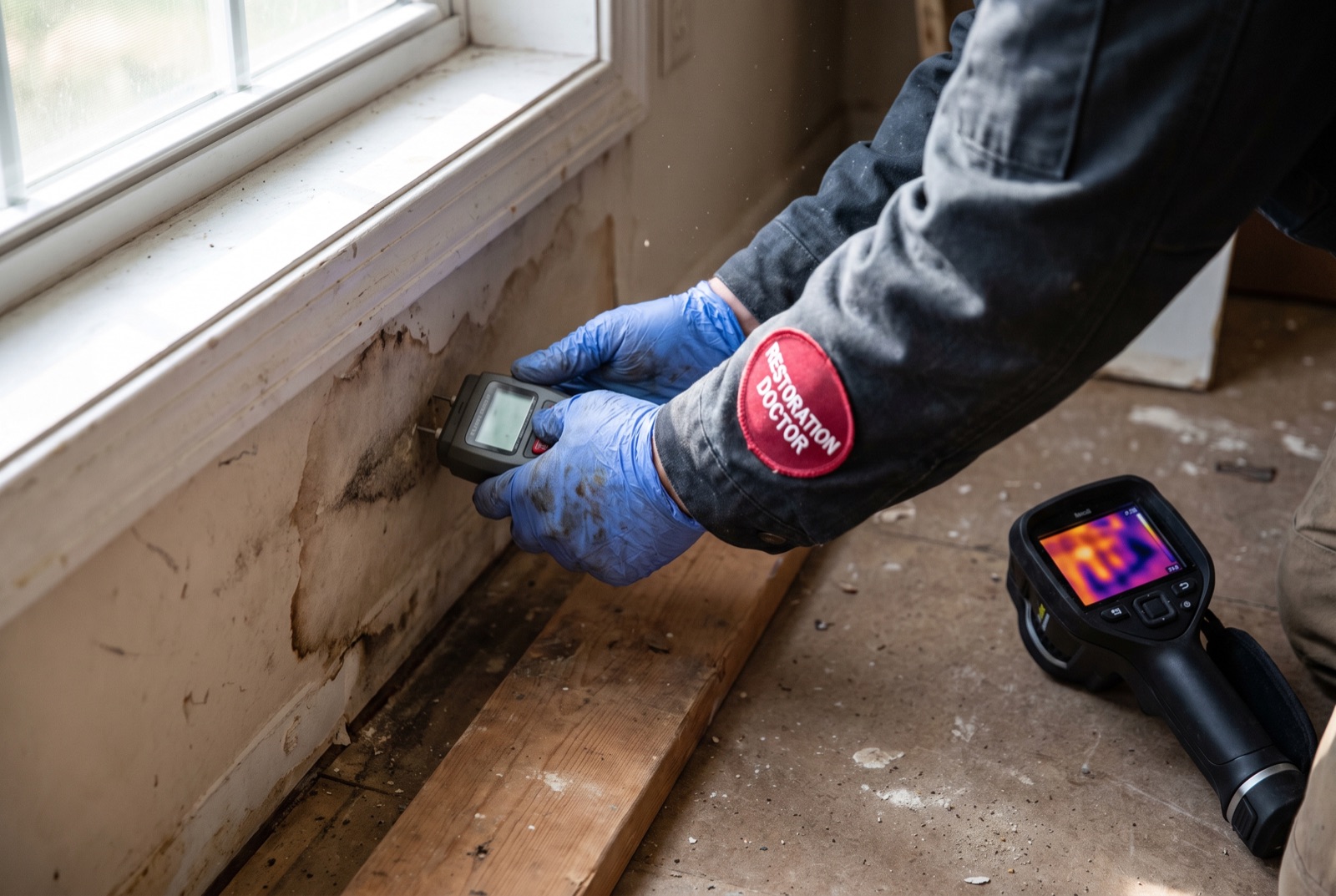
The damage itself takes recognizable forms: swelling and warping of wood and wood-composite products, softening and crumbling of drywall and plaster, delamination of subfloor and furniture veneers, staining of finishes, corrosion of metal fasteners and fixtures, and — on organic surfaces left wet past 24 to 48 hours — a real risk of mold growth.
What separates a spill from water damage is absorption and dwell time. Water wiped off a sealed floor in minutes damages nothing. The same gallon soaking into carpet pad, wicking into drywall, or draining into a wall cavity becomes a damage event, because those materials hold moisture against vulnerable surfaces for days.
The three categories: how contaminated is the water?
The restoration industry classifies water damage by contamination level under the IICRC S500 standard, and the category drives everything about the response.
Category 1 is clean water from a sanitary source — a supply line, a water heater, rainwater that hasn't crossed contaminated surfaces. It permits the most aggressive save-in-place drying.
Category 2, often called gray water, carries significant contamination that could cause discomfort or illness: dishwasher and washing machine discharge, aquarium water, toilet overflow with urine but no solids. It requires cleaning and antimicrobial treatment along with drying, and some porous materials are removed.
Category 3, black water, is grossly contaminated: sewage backups, toilet overflows with solids, and rising floodwater from rivers, storms, or ground surface — which picks up soil bacteria, chemicals, and whatever else it crossed. Porous materials it touches are generally removed rather than cleaned, and the work requires containment and protective protocols.
Categories also degrade over time: clean water left standing picks up contamination from the materials it sits in, which is one more reason fast response matters.
Why the definition matters for insurance
For insurance purposes, not all water damage is the same peril. Homeowner policies typically cover sudden and accidental water discharge — the burst pipe, the failed supply line, the ruptured water heater. They typically exclude gradual damage (the leak that seeped for months), damage attributed to deferred maintenance, and flooding from rising surface water, which requires separate flood coverage. Sewer backups usually need a specific endorsement.
This is why the cause of loss gets documented so carefully on professional projects. The same wet drywall can be a covered loss or an excluded one depending on where the water came from and how long it had been leaking — and a clear, well-documented cause determination protects your claim.
What to do if you're looking at possible water damage
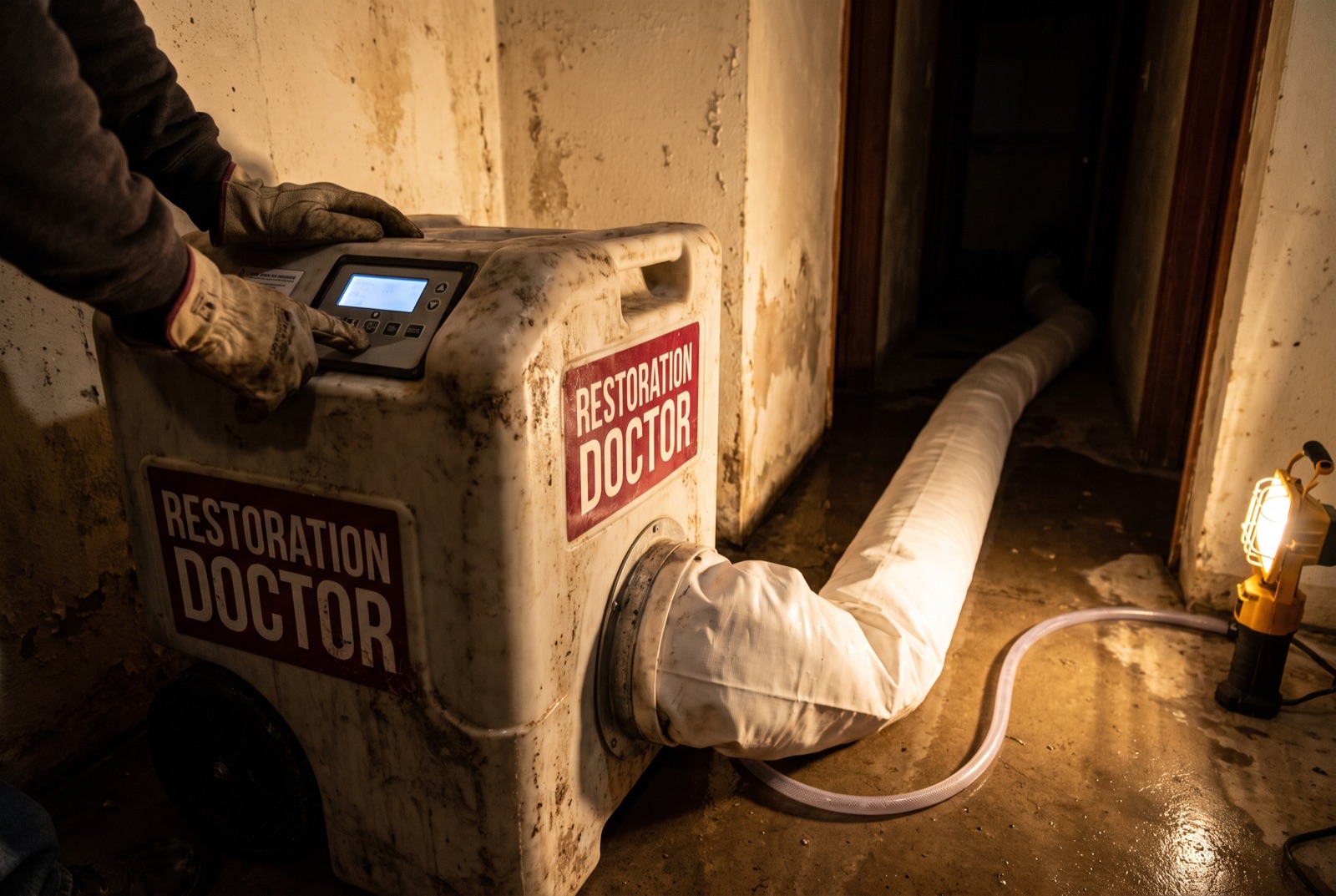
If you're trying to decide whether what you're seeing counts as water damage, the honest answer is: if you're asking, it's worth a moisture inspection. Stains, swelling, musty odor, soft flooring, and recurring dampness all indicate water has been somewhere it shouldn't be — and the meaningful questions are whether moisture is still present and what it has already affected.
Restoration Doctor assesses and mitigates every category of water loss across Northern Virginia, Maryland, and D.C., with IICRC S500-aligned documentation that supports insurance claims from day one. Call 1-888-29-FLOOD for a professional assessment — knowing exactly what you're dealing with is the first step to fixing it.
Water Damage Restoration
Extraction, structural drying, and moisture verification for burst pipes, appliance leaks, and basement flooding.
Frequently asked
Related questions
What are the 3 categories of water damage?
Does homeowners insurance cover water damage?
What are the first signs of water damage?
What is the difference between flood damage and storm damage?
Active water, mold, fire, or sewage event?
Connect directly with the Restoration Doctor team for your region. Crews are on standby 24/7 with documented response protocols.