
How much does fire damage restoration cost?
Industry cost guides put fire damage restoration across an enormous range: a few thousand dollars for minor smoke-and-soot cleanup, tens of thousands for single-room fires with structural repair, and six figures for major structural losses. Soot type, smoke penetration, firefighting water damage, and rebuild scope determine where a loss falls.
Why fire losses span the widest range of all
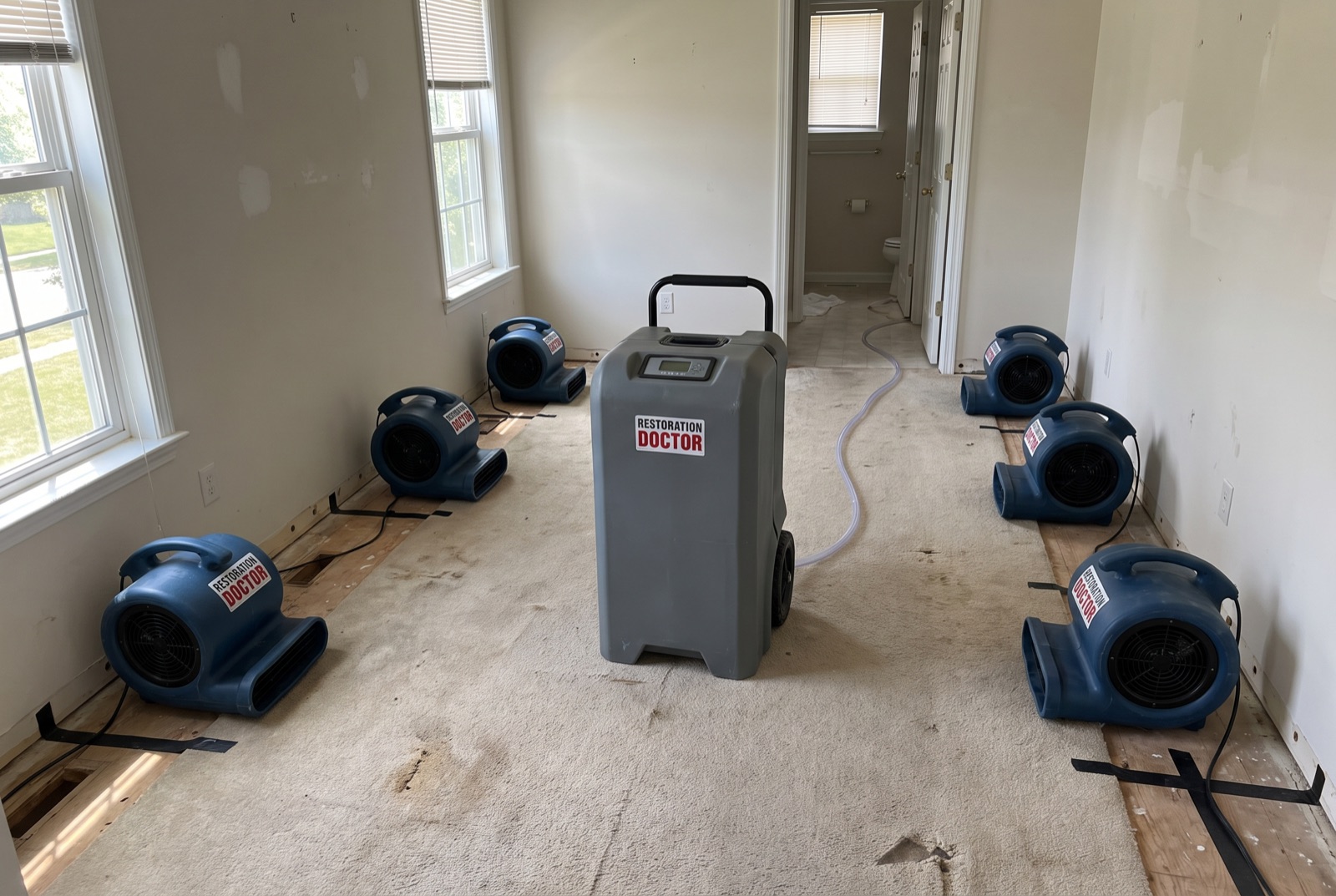
"Fire damage" covers everything from a stovetop flare-up that sooted one kitchen to a structure fire that opened the roof — and cost scales accordingly. Industry guides show minor smoke-only events resolving in the low thousands, kitchen and single-room fires commonly reaching the tens of thousands once demolition and rebuild are counted, and major structural fires running far beyond that. No single average is meaningful; the loss profile is everything.
Three factors dominate: how far smoke traveled (often the whole house, even from a small fire), whether the structure itself burned, and how much water the firefighting effort introduced — because most serious fire losses are simultaneously water losses, and the water side is on its own 24-48 hour drying clock while the fire side is assessed.
The cost layers of a fire loss
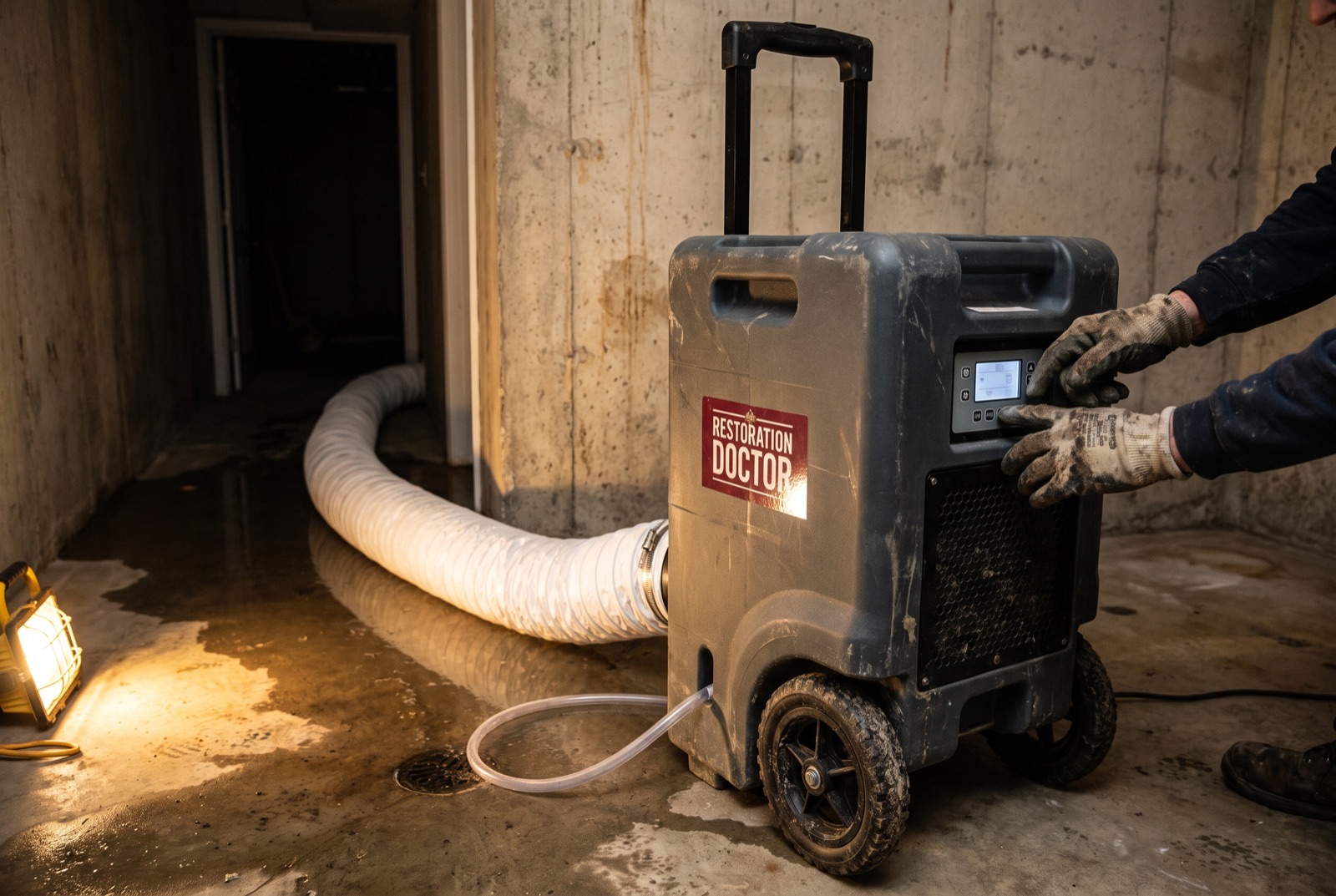
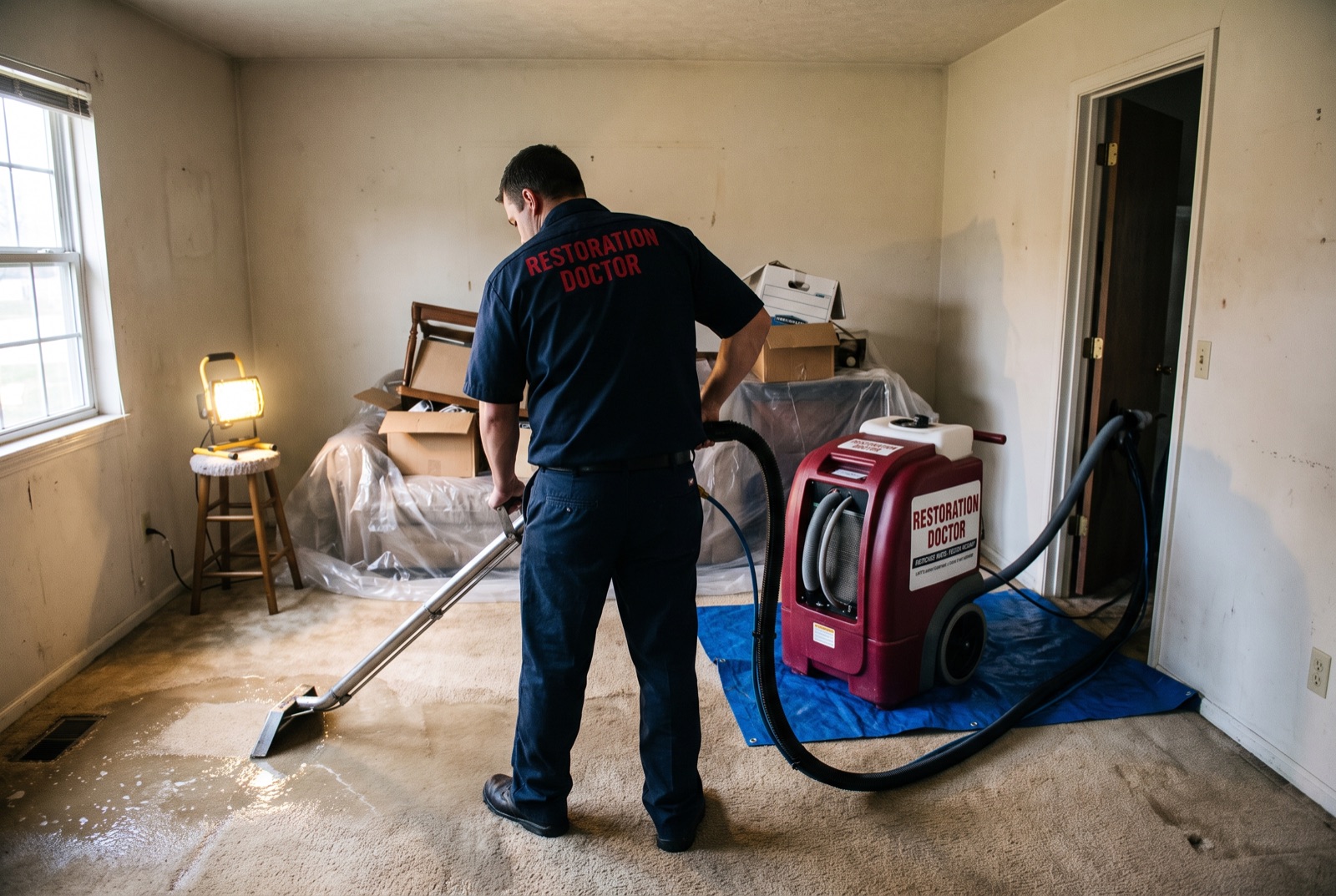
Emergency stabilization: board-up, roof tarping, and securing the property — immediate, and typically the first claim expense. Water mitigation: extraction and drying of firefighting water, which cannot wait for the fire scope to be settled.
Smoke and soot remediation: this is where fire restoration diverges from every other category. Soot type matters — dry soot from fast hot fires cleans differently than greasy protein residue from kitchen fires or the smeary residue of slow smoldering fires — and every affected surface, cavity, and duct run needs assessment. HEPA air scrubbing, surface cleaning, sealing, and HVAC cleaning are standard lines. Odor elimination — thermal fogging, ozone or hydroxyl treatment — is its own phase, priced by volume and exposure.
Contents: pack-out, professional cleaning and deodorization, storage, and inventory of unsalvageable items. Then reconstruction: from drywall and paint in a lightly damaged room to full structural rebuild. On serious fires, rebuild is usually the largest single layer.
Insurance carries most fire losses
Fire is a core covered peril in essentially every homeowners policy, and coverage typically extends to smoke damage, soot, firefighting water damage, debris removal, contents, and additional living expenses while the home is uninhabitable. Deductibles apply, and policy limits matter on large losses — but among major loss categories, fire has the cleanest coverage picture. As always, policies vary; review yours and confirm specifics with your carrier.
The practical homeowner tasks are documentation and speed: photograph everything before cleanup, inventory contents as they're assessed, keep every receipt including temporary housing, and get stabilization and water mitigation moving immediately — corrosive soot etches metal, glass, and finishes within days, so delay adds real cost even while the claim is being processed.
One contractor, both losses
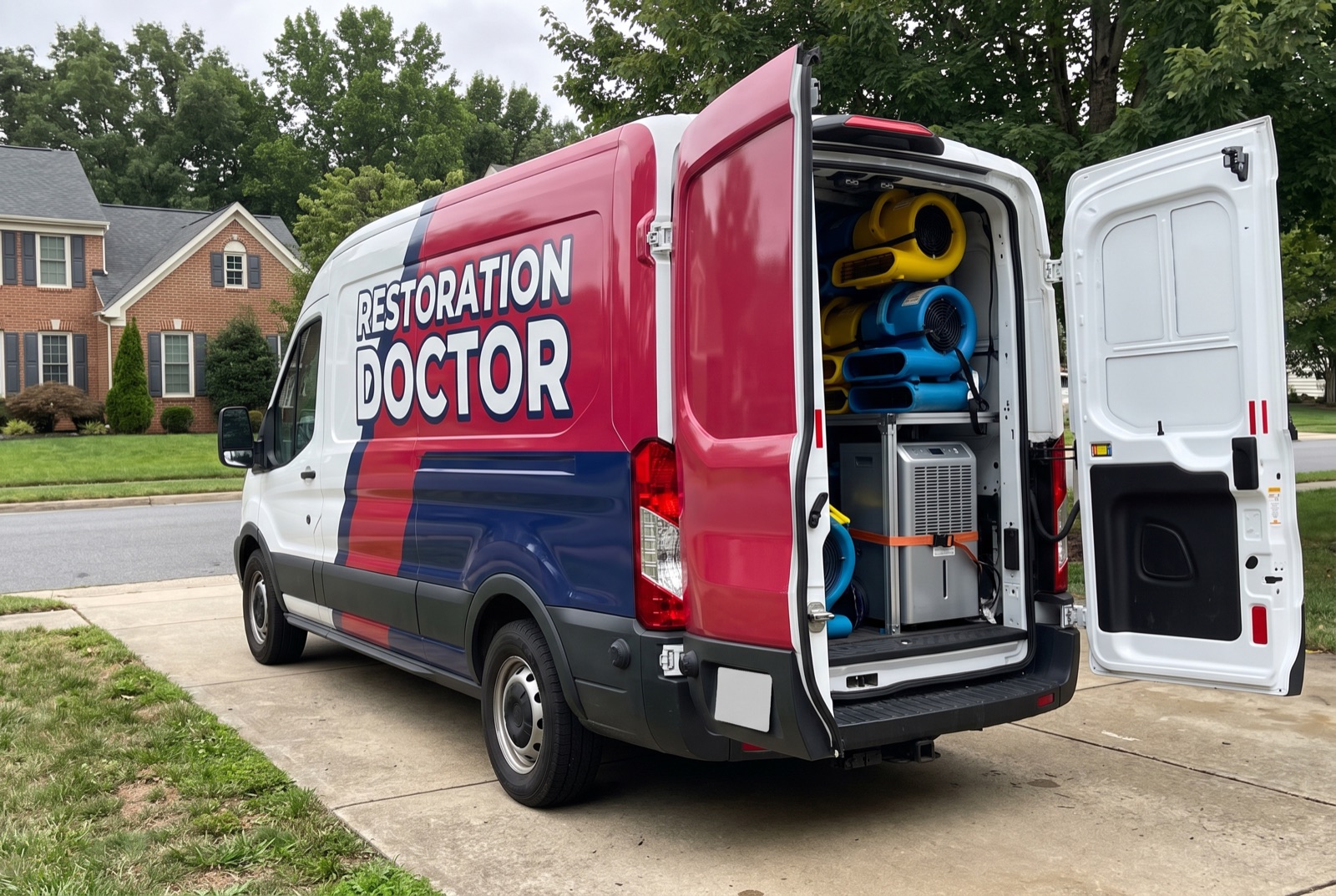
Because fire losses are compound — fire, smoke, and water in one event — they benefit most from a contractor who handles all three under one documented scope. Restoration Doctor provides emergency board-up, water mitigation, smoke and soot remediation, odor treatment, contents handling, and reconstruction across Northern Virginia, Maryland, and D.C., with itemized carrier-ready documentation throughout. After the fire department releases the property, call 1-888-29-FLOOD to get stabilization started.
Fire & Smoke Damage Restoration
Soot and smoke residue removal, odor neutralization, contents pack-out, and reconstruction after a fire.
Frequently asked
Related questions
What should you do immediately after a house fire?
Why is there water damage after a fire?
Does homeowners insurance cover fire and smoke damage?
How long does fire damage restoration take?
Active water, mold, fire, or sewage event?
Connect directly with the Restoration Doctor team for your region. Crews are on standby 24/7 with documented response protocols.