HVAC Mold Smell When AC Turns On: A Homeowner's Guide

BYSteve Jafari, General ManagerNORTHERN VIRGINIA, MARYLAND & D.C.
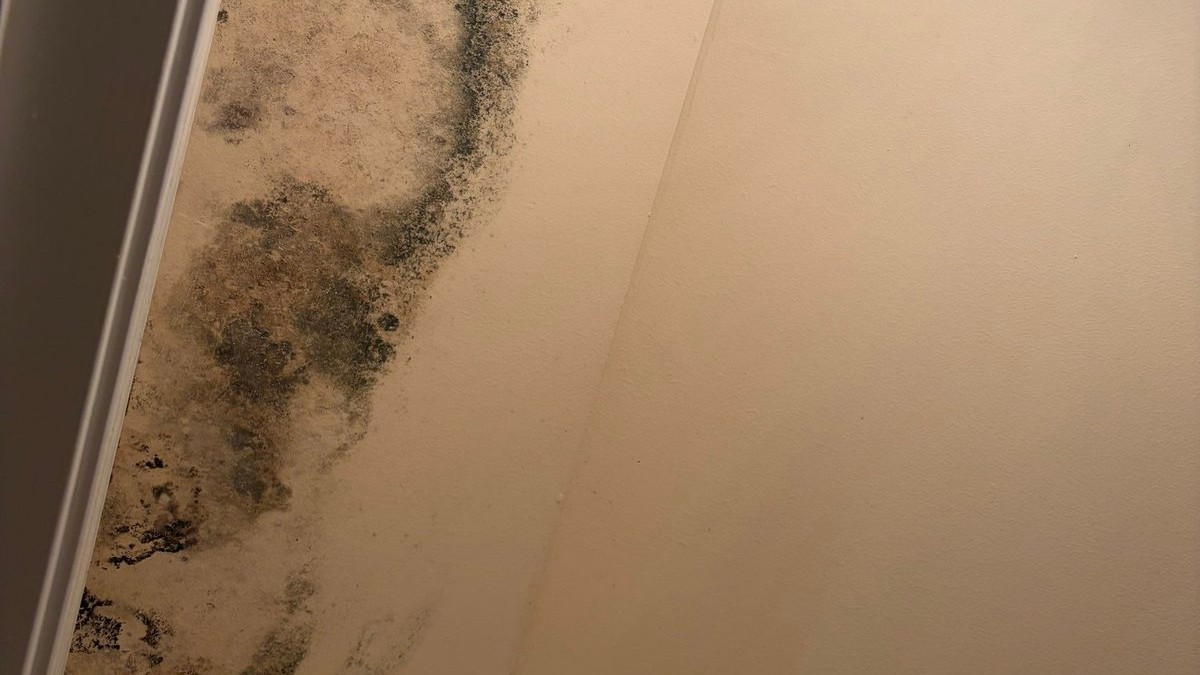
An HVAC mold smell when the AC turns on is almost always mold and bacterial biofilm growing on the cold, damp evaporator coil and drain pan inside your air handler. When the blower starts, it pushes those microbial odors through your ductwork into every room — which is why the smell appears with the cooling cycle and fades when the system shuts off. The fix ranges from a professional coil cleaning and drainage repair to, in severe or recurring cases, coil or air-handler replacement — and a trained inspection following the ANSI/IICRC S520 standard tells you which. Keeping indoor relative humidity between 30 and 50 percent is the single biggest step to preventing regrowth.
Call 1-888-29-FLOODWhy does my house smell like mold when the AC turns on?
If your house smells musty or like a locker room the moment the air conditioner starts, the most common cause is mold and bacterial biofilm growing on the evaporator coil, drain pan, and surrounding surfaces inside your air handler. When the blower fan starts moving air across that wet, contaminated coil, it carries the odor out through your supply vents and into your living space — which is why the smell appears with the AC and fades when it shuts off.
The evaporator coil is the perfect place for mold to grow. As warm household air passes over the cold coil, moisture condenses on it all summer long. That constant film of condensation, combined with dust, skin cells, and organic debris that the filter misses, creates a damp, food-rich surface where mold spores and bacteria thrive. In the humid Virginia, Maryland, and Washington, D.C. summer, the coil can stay wet for hours at a time between cooling cycles.
The smell is a symptom, not the disease. The odor you notice comes from microbial volatile organic compounds (mVOCs) — the gas byproducts that active mold and bacteria give off as they grow. Masking it with an air freshener does nothing: the colony is still growing, still shedding spores, and will keep producing odor until the surface is physically cleaned and kept dry.
What is 'dirty sock syndrome' and is it actually mold?
'Dirty sock syndrome' is the industry nickname for a sour, musty, gym-sock odor that comes from your HVAC system, usually when it switches from heating to cooling or when the AC first cycles on in the morning. It is caused by a buildup of mold, mildew, and bacterial biofilm on the evaporator coil — so yes, it is a real microbial problem, not just a quirk of your equipment. In many cases the sour note comes primarily from bacteria, with mold contributing the mustier undertone, but the fix for both is the same: clean the surface and correct the moisture.
The smell is strongest at startup because the colony has been sitting undisturbed and damp, and the first rush of air across the coil releases a concentrated burst of odor compounds. Heat-pump systems are especially prone to it because they cycle the indoor coil between heating and cooling modes, repeatedly warming a damp coil into exactly the temperature range where bacteria multiply fastest.
Homeowners sometimes confuse this with a dead-animal smell, a burning-dust smell (normal when the heat first runs in fall), or a sewer-gas smell (usually a dried-out plumbing trap). The tell for dirty sock syndrome is that the odor is musty and sour, tied to the cooling cycle, and comes from the vents rather than one fixed spot in the house.
- Musty, sour, locker-room odor that appears when the AC or heat pump cycles on
- Strongest at the first startup of the day and fades after a few minutes of runtime
- Comes out of multiple supply vents, not one room or one corner
- Common in heat pumps and in humid summer conditions across the D.C. metro area
Why does the AC mold smell spread through the whole house?
The AC mold smell spreads house-wide because your HVAC system is a closed loop that pulls air in at the return, conditions it at the coil, and pushes it back out to every room through the supply ducts. Once mold colonizes the coil, the blower turns your ductwork into a distribution network for both the odor and airborne spores.
This is what makes HVAC mold different from a patch of mold behind a bathroom vanity. A localized mold spot affects one area; coil mold gets actively blown into bedrooms, living rooms, and closets several times an hour. Spores and odor compounds settle on soft surfaces — carpet, drapes, bedding, upholstery — so the house can start to smell musty even when the system is off.
The ducts themselves can become a secondary reservoir. Spores that land on dust inside the ductwork, especially anywhere condensation or residual moisture is present, can establish their own growth. That is why simply cleaning the coil sometimes isn't enough once the problem has been ignored for a full cooling season — the ANSI/IICRC S520 standard for professional mold remediation calls for assessing and addressing the full extent of contamination, including the connected system and living spaces, not just the visible source.
Is HVAC mold dangerous to breathe?
HVAC mold can be a genuine health concern because the system actively circulates spores and microbial byproducts into the air you breathe all day. While a healthy adult may only notice odor and mild stuffiness, people with asthma, allergies, compromised immune systems, infants, and older adults can have significantly stronger reactions.
Common symptoms homeowners report with HVAC mold include a scratchy throat, nasal congestion, coughing, watery or itchy eyes, headaches, and worsening allergy or asthma flare-ups that seem to improve when they leave the house. Because the exposure repeats every time the system runs, symptoms can be more persistent than a one-time exposure to a single mold patch.
You should not try to diagnose a health risk by smell alone — and you shouldn't ignore it either. If anyone in the home has respiratory symptoms that track with AC use, treat it as a priority. A professional mold assessment following ANSI/IICRC S520 can confirm whether active growth is present and how far it has spread before you decide between a cleaning and a replacement.
- Nasal congestion, sneezing, and a sore or scratchy throat
- Coughing, wheezing, or worsening asthma and allergy symptoms
- Itchy or watery eyes and recurring headaches
- Symptoms that ease when you leave the house and return when the AC runs
How do I get rid of the mold smell from my AC?
To get rid of the mold smell from your AC for good, the contaminated surfaces have to be physically cleaned and the moisture conditions that caused the growth have to be corrected — an air freshener or 'HVAC odor bomb' won't solve it. The core work is cleaning or replacing the evaporator coil, clearing and sanitizing the drain pan and condensate line, and addressing any ductwork contamination.
A proper remediation addresses the source, the drainage, and the airflow together. If the condensate drain is clogged or the pan isn't sloped correctly, water sits and mold comes right back within weeks. Likewise, an oversized or short-cycling AC never runs long enough to pull moisture out of the air, leaving the coil perpetually damp. Fixing the odor means fixing all of those conditions, not just scrubbing the coil once.
Here is the general sequence a professional follows, so you know what good work looks like:
- Inspect the air handler, coil, drain pan, and ductwork to locate and measure the extent of growth
- Contain the work area so spores aren't spread further during cleaning, consistent with S520 principles
- Clean the evaporator coil with an EPA-registered, HVAC-safe product — or replace it if corrosion or contamination runs too deep
- Clear and sanitize the condensate drain pan and line, and correct any standing-water issues
- Clean affected ductwork and install a fresh filter with the correct MERV rating for your system
- Verify dryness and airflow, then document the work with photos and moisture readings
Coil cleaning vs. coil replacement: how do I make the call?
The decision between cleaning the coil and replacing it comes down to how deep the contamination goes, the condition of the coil metal, and whether the smell keeps returning after cleaning. A one-time cleaning works for most first-time, surface-level cases; replacement becomes the smart call when the coil is corroded, the fins are packed solid, or the odor comes back cycle after cycle despite proper cleaning.
Coils that have been growing mold and biofilm for several seasons can develop contamination deep inside the tightly packed aluminum fins where cleaning solution can't fully reach. Some coils also suffer formicary corrosion — microscopic, ant-tunnel-like pitting in the copper that weakens the coil and can eventually cause refrigerant leaks. In those cases, a new coil — paired with corrected drainage and humidity control — is the only reliable long-term fix. A good assessment weighs the age of the system too, since replacing a coil on a unit near the end of its service life may make less sense than replacing the air handler.
The cost of either path typically runs in the thousands, and what drives it is the scope: how deep the contamination goes, how far it spread into the ductwork, how much material has to be cleaned or replaced, and whether drainage and humidity problems also need correcting. The real figure comes after an on-site inspection — we never guess at a number over the phone because the scope genuinely varies system to system.
| Factor | Lean toward cleaning | Lean toward replacement |
|---|---|---|
| Contamination depth | Surface biofilm and light mold | Growth packed deep in the fins |
| Coil condition | Sound metal, fins intact | Corrosion, pitting, or crushed fins |
| Odor history | First occurrence | Smell returns after proper cleaning |
| System age | Relatively newer equipment | Old coil near end of service life |
| Drainage | Fixable clog or slope issue | Chronic standing water damaging the coil |
How can I prevent HVAC mold from coming back?
You prevent HVAC mold from returning by keeping the coil dry, the drainage flowing, and indoor humidity under control. The goal is to deny mold what it needs — moisture, organic food, and stagnant air — so it can't re-establish after the system has been cleaned.
Humidity is the biggest lever in our region. Indoor relative humidity should sit between roughly 30 and 50 percent; above that range, condensation lingers on the coil and in the ducts long enough for growth to take hold. A correctly sized system that runs longer, gentler cycles dehumidifies far better than an oversized one that blasts cold air and shuts off, so proper equipment sizing matters as much as cleaning.
Routine maintenance is what makes a one-time fix permanent. Keep up with the simple habits below and a cleaned or new coil can stay odor-free for years.
- Change your air filter on schedule (typically every 1–3 months) and use the correct MERV rating for your system
- Have the condensate drain line cleared and the pan checked before each cooling season
- Keep indoor relative humidity between 30% and 50%, adding a dehumidifier in damp basements
- Avoid long stretches of stagnant, damp air in the air handler during humid shoulder seasons
- Schedule annual HVAC service that includes inspecting and cleaning the evaporator coil
- Address any water intrusion, condensation, or leaks near the air handler promptly
When should I call a professional for an HVAC mold smell?
Call a professional when the mold smell keeps returning, when you can see visible growth on the coil, ducts, or vents, or when anyone in the home has respiratory symptoms that line up with AC use. These are signs the contamination has moved beyond a quick filter change and needs proper assessment and containment.
Remediating HVAC mold is not a scrub-and-spray job. Opening a contaminated air handler without containment can blow spores through the house and make the problem worse. A qualified team follows ANSI/IICRC S520 protocols — containment, source removal, HEPA filtration, and verification — so the mold is removed rather than redistributed. Restoration Doctor (legal entity: VA Water Damage LLC) is licensed and insured and serves homeowners across the Virginia, Maryland, and Washington, D.C. tri-state area from our office at 8609 Westwood Center Dr, Ste 110-1062, Vienna, VA 22182.
If the mold traces back to a covered water event and you end up filing an insurance claim, we bill you — the homeowner — directly and hand you a carrier-ready claim file with an Xactimate scope, CompanyCam photo documentation, and daily moisture logs. We work for you, not your insurance company, so the documentation is built to support your claim. You can reach our team 24/7 at 1-888-293-5663 or through our contact page to schedule an inspection.