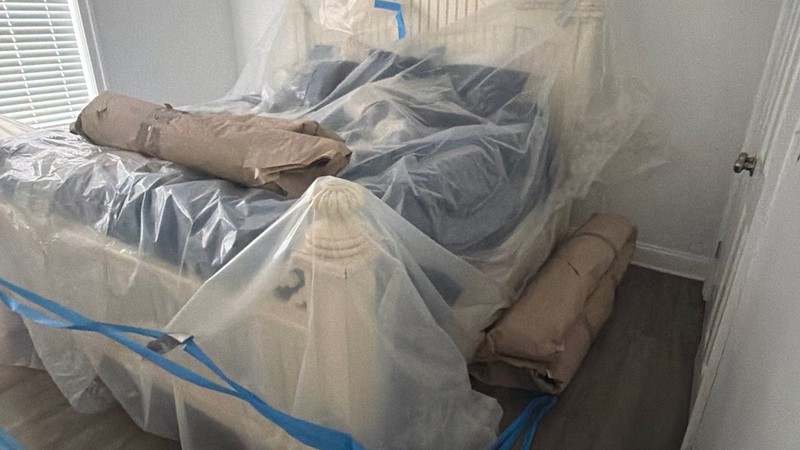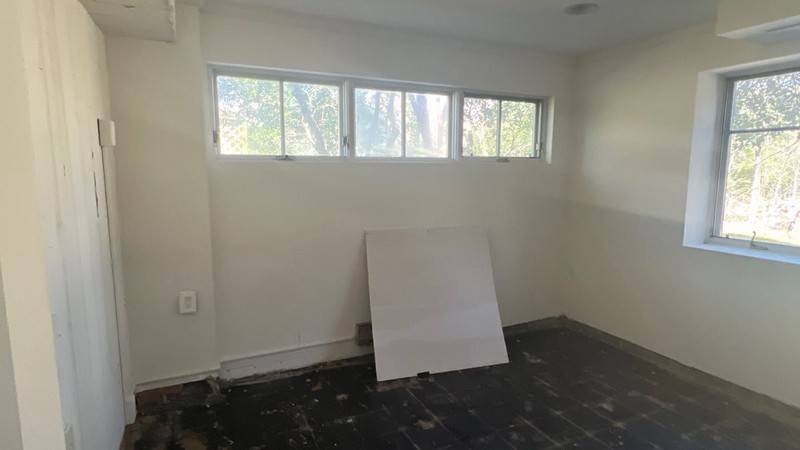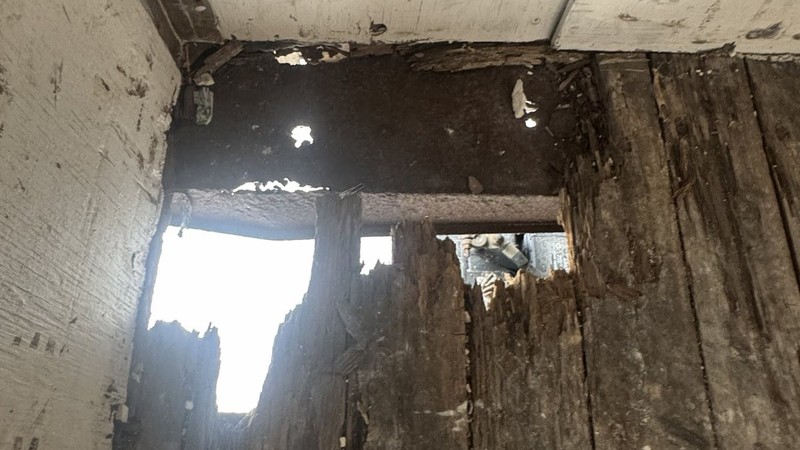
Mold in Rental Apartment Tenant Rights Virginia: A Tenant's Guide

BYSteve Jafari, General ManagerNORTHERN VIRGINIA, MARYLAND & D.C.
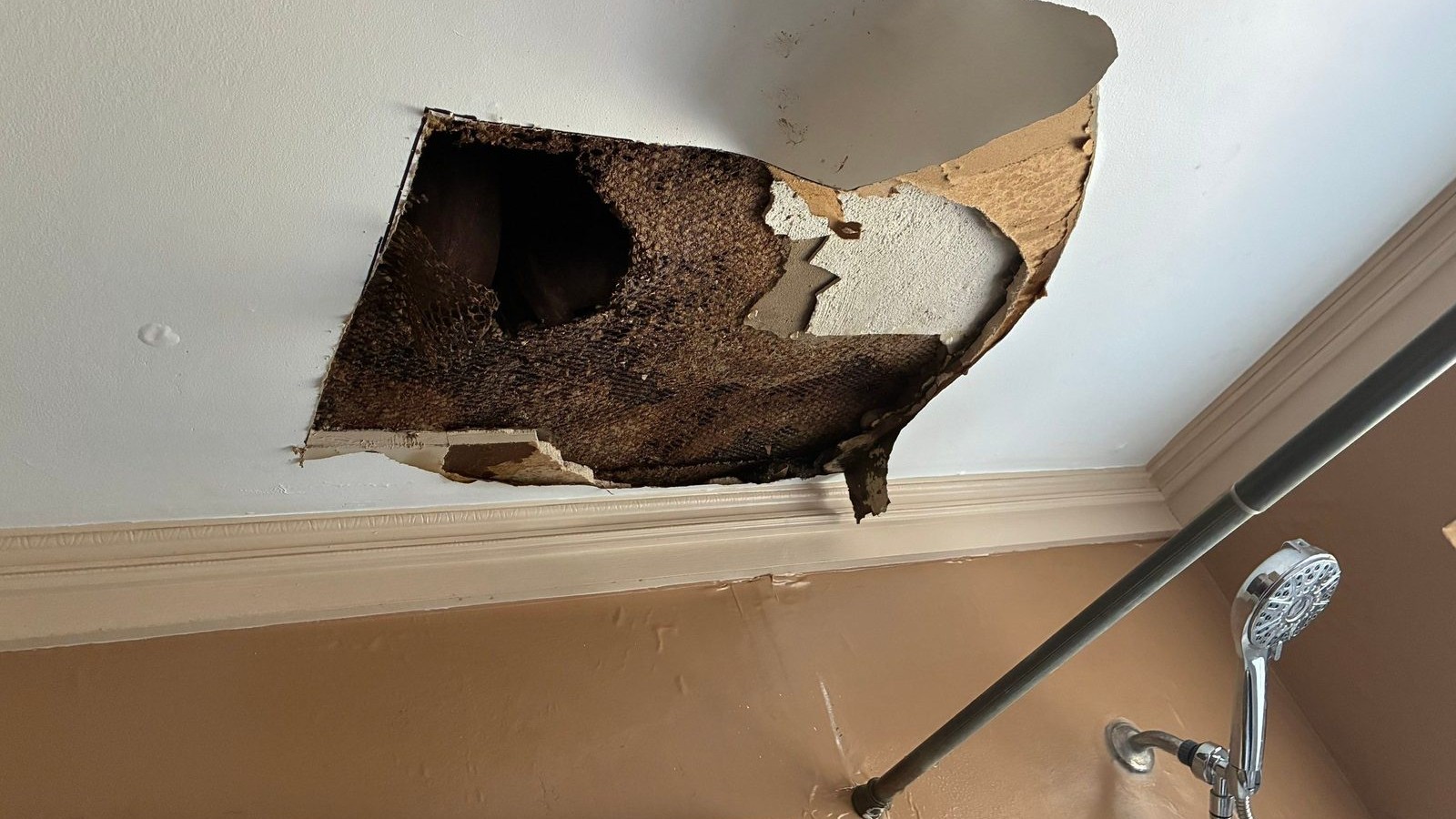
When it comes to mold in a rental apartment, tenant rights in Virginia come down to one principle: the landlord must keep the unit fit and habitable and remediate visible mold in accordance with professional standards, while the tenant must report problems in writing promptly. Put the complaint in writing, give the landlord the statutory window to fix it, and keep photos and dates. If the landlord does nothing, the Virginia Residential Landlord and Tenant Act gives you remedies — up to and including terminating the lease.
Call 1-888-29-FLOODWho is responsible for fixing mold in a Virginia rental apartment?
In almost every case, the landlord is responsible for fixing mold in a Virginia rental apartment. The Virginia Residential Landlord and Tenant Act (VRLTA) requires a landlord to maintain the dwelling in a fit and habitable condition and to remediate visible mold in accordance with professional standards once they know about it. That responsibility does not disappear simply because the lease is silent on mold.
There is an important exception: if the mold grew because of something the tenant did or failed to do — for example, never running the bathroom exhaust fan, blocking HVAC returns, ignoring an obvious leak, or failing to report a problem for weeks — a landlord may argue the tenant caused the damage and shift some of the cost. That is why documentation and prompt written notice matter so much. The tenant who reports a small spot of mold the day they see it is in a far stronger position than the tenant who waits until a wall is covered.
Responsibility also depends on the source. Mold is a symptom; water is the cause. A roof leak, a slab leak, a failed water heater, a burst supply line, or chronic condensation from poor ventilation are building conditions that belong to the landlord. A tenant's overflowing aquarium or an unreported overflowing tub is a different conversation. When our technicians inspect a rental, the first thing we establish is the moisture source, because that determines both the correct repair and, often, who pays for it.
Does my landlord have to pay for mold remediation in Virginia?
Yes — in the typical situation where mold results from a building condition or a leak the landlord is responsible for maintaining, the landlord pays for the remediation. Virginia law treats a fit and habitable dwelling as the landlord's baseline obligation, and professional mold remediation to restore that condition falls on them.
The honest answer on cost is that mold remediation in a rental typically runs in the thousands, and the real figure depends on how far the moisture spread, how much porous material (drywall, carpet, insulation) has to be removed, how many days of controlled drying the structure needs, and whether the water source requires a separate plumbing or roofing repair. No reputable company can quote a real number without an on-site inspection, and anyone who does is guessing.
Many landlords carry a dwelling or landlord insurance policy that may respond to a sudden water event that caused the mold — for example, a burst pipe. Long-term seepage and deferred maintenance are usually excluded. As a restoration company, Restoration Doctor bills the property owner directly and hands them a carrier-ready claim file — Xactimate scope, CompanyCam photo documentation, and daily moisture logs — so they can pursue a claim if coverage exists. We work for the person who hires us, not for any insurance company.
For tenants, the practical point is this: you should not be paying out of pocket to remediate mold that grew from a building defect. If a landlord tries to charge you for it, the burden is generally on them to show you caused it.
What does Virginia law actually say about mold in rentals?
The Virginia Residential Landlord and Tenant Act is the governing law, and it addresses mold directly. Two provisions matter most: the landlord's duty to maintain the premises in a fit and habitable condition, and the move-in inspection report that both parties use to document existing conditions, including visible mold.
Under Va. Code § 55.1-1215, the landlord must provide a written move-in inspection report within five days after you take possession, and you have the right to note the condition of the dwelling — including any visible evidence of mold — on that report. If the report discloses visible mold and you object in writing, the landlord must promptly remediate it in accordance with professional standards, reinspect, and issue a new report confirming the unit is free of visible mold. If mold is present at move-in, you also have the option to terminate the tenancy rather than take possession.
Va. Code § 55.1-1220 sets the landlord's ongoing obligation to keep the unit fit and habitable, which includes maintaining the premises so as to prevent moisture accumulation and mold growth, and promptly remediating visible mold 'in accordance with professional standards' — language that lines up with the national remediation standard the industry follows, ANSI/IICRC S520.
If a landlord materially fails to meet these obligations, Va. Code § 55.1-1234 gives the tenant a remedy: written notice specifying the breach, after which the lease terminates no sooner than 30 days from the landlord's receipt of the notice if the problem is not remedied within 21 days. That written-notice process is why the steps below matter so much.
- § 55.1-1215 — move-in inspection report; note visible mold in writing at the start of the tenancy, and the landlord must remediate and reinspect if you object.
- § 55.1-1220 — landlord's duty to keep the dwelling fit and habitable, including preventing moisture accumulation and remediating mold to professional standards.
- § 55.1-1234 — tenant's remedy when the landlord materially fails to maintain the unit: a 21-day cure period after written notice, and termination no sooner than 30 days if the breach isn't fixed.
- ANSI/IICRC S520 — the professional mold remediation standard that defines what a 'professional' fix actually looks like.
What steps should a tenant take to report mold before it becomes a health issue?
Report mold to your landlord in writing, immediately, and keep a copy — written notice is the single most important thing a Virginia tenant can do. A text or email with a date stamp is acceptable, but a dated letter sent by certified mail is stronger. Verbal complaints are nearly impossible to prove later, and under the VRLTA your remedies generally depend on having given the landlord proper written notice and a chance to fix the problem.
Before you send the notice, document everything. Photograph the affected areas with timestamps, note any musty odor, and record when you first saw it. If anyone in the household has started experiencing symptoms — coughing, congestion, headaches, asthma flare-ups — write down the dates. Mold is a health issue that worsens the longer moisture sits, so moving quickly protects both your health and your legal position.
Your written notice should describe the problem specifically ('visible black mold spreading on the bathroom ceiling and musty odor in the hall closet'), state the date you discovered it, and ask the landlord to remediate it in accordance with professional standards. Send it in a way you can prove — email, a tenant portal, or certified mail. Then give the landlord the statutory window to respond. Under § 55.1-1234, a material noncompliance triggers a 21-day cure period; if the landlord hasn't remedied the breach within that window, your termination notice can take effect no sooner than 30 days after the landlord received it.
| Step | What to do | Why it matters |
|---|---|---|
| 1. Document | Photograph mold with timestamps; note odor, dates, and any symptoms | Creates evidence of condition and timeline |
| 2. Notify in writing | Email or certified letter describing the mold and asking for professional remediation | Written notice is usually required to unlock your legal remedies |
| 3. Keep copies | Save every message, report, and response | Protects you if the dispute escalates |
| 4. Allow the statutory window | Give the landlord the 21-day cure period § 55.1-1234 allows | You generally can't terminate until the window passes |
| 5. Follow up | If no action, send a second notice referencing the first | Shows a court you acted reasonably and repeatedly |
What happens if the landlord ignores a mold complaint in Virginia?
If a landlord ignores a properly delivered written mold complaint, the VRLTA gives the tenant escalating remedies — the strongest being the right to terminate the lease. Under Va. Code § 55.1-1234, when a landlord materially fails to maintain the unit, the tenant can send written notice specifying the breach; if the landlord does not remedy it within 21 days, the tenant may terminate the rental agreement effective no sooner than 30 days after the landlord received the notice.
Virginia is restrictive about 'repair and deduct' — tenants generally cannot just hire a contractor and subtract the cost from rent without following specific statutory procedures, and getting this wrong can expose you to eviction for nonpayment. Before taking any self-help step, it is worth consulting Virginia Legal Aid or a tenant attorney. Do not stop paying rent on your own theory; rent withholding has strict rules and generally requires paying rent into a court escrow account through a Tenant's Assertion.
A Tenant's Assertion, filed in General District Court, asks a judge to order the landlord to make repairs and directs your rent into escrow until the problem is fixed. Local housing or code-enforcement offices can inspect for habitability violations as well, and an inspection report can strengthen your case. Retaliation — raising rent, cutting services, or trying to evict you because you complained about mold in good faith — is prohibited under Virginia law, so a landlord cannot lawfully punish you for exercising these rights.
When does mold make a rental apartment uninhabitable in Virginia?
Mold makes a rental uninhabitable in Virginia when it is severe enough that the unit no longer meets the 'fit and habitable' standard — typically widespread active growth, structural moisture, or contamination that poses a genuine health risk to occupants. There is no single square-footage threshold in the statute; habitability is judged on the overall condition and the health impact.
A small patch of surface mildew on bathroom grout, cleaned promptly, usually does not render a unit uninhabitable. Extensive mold behind walls, saturated drywall and carpet from an ongoing leak, a persistent musty smell throughout the home, or documented health effects in vulnerable occupants (infants, elderly residents, or anyone with asthma or immune conditions) point toward a habitability failure. ANSI/IICRC S520 describes areas with actual mold growth — active or dormant, visible or hidden — as Condition 3, which calls for containment and professional remediation rather than consumer cleaning products.
Virginia law also allows a landlord to temporarily relocate a tenant to a comparable unit so remediation can be done safely, and in serious cases the tenant may have grounds to terminate. If mold has spread far enough that you're asking whether the unit is uninhabitable, it's past the DIY stage — a professional assessment under ANSI/IICRC S520 is what establishes the true scope and the correct remediation plan. Our mold remediation team documents the extent, the moisture source, and the drying standard the structure has to reach before anyone moves back in.
What does professional mold remediation in a rental actually involve?
Professional mold remediation is not spraying bleach on a wall — it is a controlled process that removes the mold, fixes the water source, and verifies the structure is dry to standard. Restoration Doctor follows ANSI/IICRC S520 for mold and ANSI/IICRC S500 for the underlying water intrusion, because mold is always a moisture problem first.
The process starts with an inspection to find and document the water source — a leak, condensation, or past flooding — because remediating mold without stopping the moisture guarantees it comes back. Technicians then set up containment to keep spores from spreading to clean areas, run HEPA-filtered air scrubbers under negative pressure, remove porous materials that can't be saved (contaminated drywall, carpet, insulation), clean and treat salvageable surfaces, and dry the structure with professional equipment. For a typical Virginia rental, structural drying runs a few days — often three to five — monitored with daily moisture readings until materials reach their verified drying goals.
Documentation is where tenants and landlords both benefit. Daily moisture logs, CompanyCam photo documentation, and a clear scope of work create a record that the job met professional standards — exactly what Virginia law requires. For landlords, that paperwork protects them if a tenant later disputes the condition; for tenants, it confirms the unit was actually remediated, not just painted over. We answer calls 24/7 across the Virginia, Maryland, and Washington, D.C. tri-state area, because the faster the moisture is controlled, the less material is lost and the smaller the eventual bill.
- Locate and stop the water source (leak, condensation, or flooding).
- Establish containment with HEPA filtration and negative air pressure.
- Remove non-salvageable porous materials; clean salvageable surfaces.
- Dry the structure to verified drying goals, monitored daily — often three to five days.
- Document the entire process for the habitability record.
How can a landlord in Virginia handle a tenant mold complaint the right way?
A landlord handles a mold complaint correctly by responding promptly in writing, inspecting quickly, and bringing in a qualified remediation company to fix the moisture source and the mold to professional standards. Speed limits both the health risk and the cost, and it keeps you comfortably inside your VRLTA obligations.
Ignoring or minimizing a mold complaint is the costliest mistake a property owner can make. Delay lets moisture migrate into framing and insulation, turning a contained problem into a gut-out, and it exposes you to tenant remedies, code-enforcement action, and liability if occupants become ill. When a tenant reports mold, acknowledge the notice, schedule an inspection, and if remediation is needed, document it thoroughly so you have proof the unit was restored to a habitable condition.
Most property owners never budget for this, so having a restoration partner on call matters. Restoration Doctor serves rental properties across the Virginia, Maryland, and Washington, D.C. tri-state area with 24/7 emergency response. We bill the property owner directly and provide a carrier-ready claim file — Xactimate scope, CompanyCam photo documentation, and daily moisture logs — so if the loss is covered, you have everything you need to file with your carrier. We work for you, not your insurance company.
If you own a rental and you've just received a mold complaint, the right next step is an on-site inspection that identifies the moisture source and the true scope. What the job ultimately costs is driven by how much water was involved, how far it spread, how much material has to come out, and how many days of drying the structure needs — and the only way to get a real number and a real timeline is that inspection. Call Restoration Doctor at 1-888-293-5663 to schedule one.