Category 3 Black Water Health Dangers: A Homeowner's Guide

BYSteve Jafari, General ManagerNORTHERN VIRGINIA, MARYLAND & D.C.
Category 3 black water health dangers come from grossly contaminated water containing live human pathogens, including Hepatitis A, Norovirus, Rotavirus, and E. coli, that can cause gastrointestinal illness, liver infection, and, in vulnerable people, life-threatening complications. Symptom-onset windows range from as little as 12 hours for Norovirus to as long as 50 days for Hepatitis A, so you can feel fine for weeks after exposure and still get sick. Do not touch, walk through, or try to DIY-clean black water: leave the area, wash any exposed skin with soap and clean water, monitor your health over the following hours to weeks, and call a professional working to ANSI/IICRC S500 Category 3 protocols. Restoration Doctor responds 24/7 across the Virginia, Maryland, and Washington, D.C. tri-state area — call 1-888-293-5663.
Call 1-888-29-FLOODWhat Is Category 3 Black Water and Why Is It So Dangerous?
Category 3 black water is grossly contaminated water that can contain harmful bacteria, viruses, fungi, parasites, and toxic chemicals, and it is the most contaminated water classification under the ANSI/IICRC S500 Standard for Professional Water Damage Restoration. The category 3 black water health dangers are serious because this water carries live human pathogens capable of causing infection through ingestion, contact with broken skin, and inhalation of aerosolized droplets.
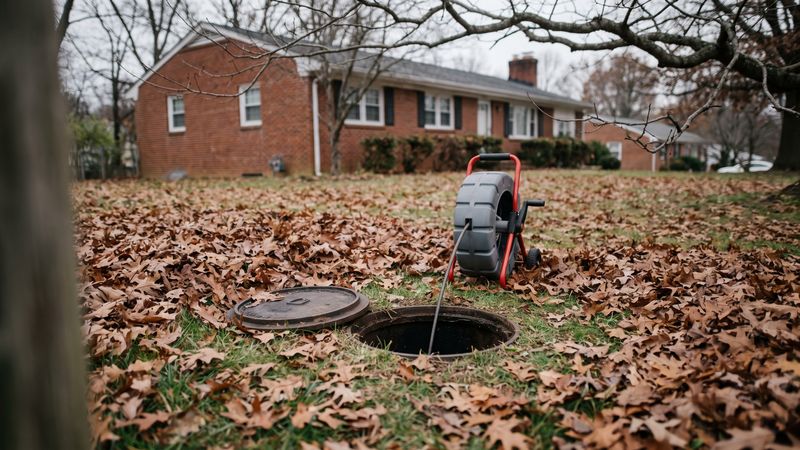
The S500 standard classifies water into three categories based on its level of contamination. Category 1 is water from a sanitary source, such as a broken supply line. Category 2, often called gray water, carries significant contamination and can cause discomfort or sickness if contacted or consumed. Category 3 is the worst: it includes sewage backups, toilet overflows that contain feces, rising flood water from rivers and streams, and water from a cleaner category that has sat untreated long enough for dangerous microbial growth to take hold.
What makes black water uniquely hazardous is the concentration of fecal-origin organisms. A single gram of human waste can contain millions of bacteria and viruses, and when that material mixes with standing water inside a warm home, it becomes an actively multiplying biological hazard. The contamination also does not stay where the water is: walking through it tracks pathogens onto clean flooring, and agitation — mopping, shop-vacuuming, even splashing — can aerosolize droplets that settle on surfaces far from the original spill. This is why black water is never a mop-and-bucket job and why it falls under strict Category 3 protocols with containment, protective equipment, and controlled disposal.
- Sewage backups through drains, toilets, or floor drains
- Toilet overflow that contains feces or urine
- Rising flood water from rivers, creeks, or storm surge
- Seawater intrusion and ground-surface flooding
- Category 1 or 2 water that has sat untreated and degraded, which can happen in as little as 48 to 72 hours in warm conditions
What Pathogens Are in Black Water? (Hep A, Norovirus, Rotavirus, E. coli)
Black water commonly carries Hepatitis A virus, Norovirus, Rotavirus, and pathogenic strains of E. coli, along with other organisms such as Salmonella, Shigella, and parasites like Giardia and Cryptosporidium. These four named pathogens are the ones most frequently tied to sewage exposure, and each affects the body differently.
Hepatitis A is a virus that attacks the liver and spreads through the fecal-oral route, meaning tiny particles of contaminated water reach your mouth via unwashed hands, food, or splashing. Norovirus is the leading cause of acute gastroenteritis worldwide and is extraordinarily contagious — only a handful of viral particles are needed to make someone sick. Rotavirus is a major cause of severe diarrhea and is especially dangerous for infants and young children. E. coli covers a range of strains; most are harmless gut bacteria, but the pathogenic ones, including Shiga toxin-producing types like O157:H7, can cause bloody diarrhea and, in severe cases, hemolytic uremic syndrome and kidney failure.
Because these organisms survive on surfaces and penetrate deep into porous materials, contaminated drywall, carpet, carpet padding, and insulation cannot simply be dried and reused. Under the S500 standard, porous materials saturated by Category 3 water are generally removed and discarded rather than restored, because no surface-level cleaning can reliably reach contamination that has wicked into the material. This is a core reason sewage cleanup is a controlled, protective-equipment job rather than a household chore.
| Pathogen | Primary illness | Typical symptom onset after exposure |
|---|---|---|
| Hepatitis A | Liver infection (hepatitis) | 15 to 50 days (average ~28 days) |
| Norovirus | Acute gastroenteritis (vomiting, diarrhea) | 12 to 48 hours |
| Rotavirus | Severe watery diarrhea, dehydration | 1 to 3 days |
| E. coli (pathogenic strains) | Diarrhea, sometimes bloody; possible kidney complications | 1 to 10 days (often 3 to 4) |
How Soon After Exposure Do Symptoms Appear?
Symptom-onset windows vary widely by pathogen, from as little as 12 hours for Norovirus to as long as 50 days for Hepatitis A. This is why someone exposed to black water can feel fine for days or weeks and still become seriously ill, and why monitoring your health over time matters as much as what you do in the first 24 hours.
Fast-acting organisms like Norovirus and Rotavirus usually produce vomiting and diarrhea within one to three days, so a sudden stomach illness in the days following a sewage backup should raise immediate concern. Bacterial infections like pathogenic E. coli and Salmonella typically appear within one to four days, though E. coli can take longer. Hepatitis A is the slow one: its long incubation period means liver symptoms such as jaundice, dark urine, fatigue, and abdominal pain may not surface for weeks, by which point many people no longer connect the illness to the flood. Writing down the exposure date — and telling your doctor about it if you get sick later — closes that gap.
| Pathogen | Onset window | Hallmark symptoms |
|---|---|---|
| Norovirus | 12-48 hours | Sudden vomiting, watery diarrhea, cramps, low fever |
| Rotavirus | 1-3 days | Watery diarrhea, vomiting, fever, dehydration |
| E. coli (pathogenic) | 1-10 days (often 3-4) | Severe, sometimes bloody diarrhea, cramps |
| Salmonella | 6 hours-6 days | Diarrhea, fever, abdominal cramps |
| Hepatitis A | 15-50 days | Jaundice, fatigue, dark urine, nausea, abdominal pain |
What Are the Symptoms of Black Water Exposure?
The most common symptoms of black water exposure are gastrointestinal: nausea, vomiting, watery or bloody diarrhea, stomach cramps, and fever. Beyond the gut, exposure can cause skin rashes and infections where contaminated water met broken skin, respiratory irritation from inhaling aerosolized droplets, and, with Hepatitis A, the yellowing of skin and eyes known as jaundice.
Dehydration is the most immediate danger from the gastrointestinal symptoms, particularly in children, older adults, and anyone with a weakened immune system. Warning signs of serious dehydration include dizziness, reduced urination, dry mouth, and confusion. Bloody diarrhea, high fever, severe abdominal pain, or any sign of jaundice are all reasons to seek medical care promptly rather than waiting it out.
It is worth repeating that feeling well in the first day or two does not mean you are in the clear. Because Hepatitis A can incubate for weeks, note the exposure date and mention it to a healthcare provider if you develop unexplained fatigue, nausea, or jaundice in the weeks that follow. A doctor who knows about the sewage exposure can order the right tests far faster than one who is guessing.
- Gastrointestinal: nausea, vomiting, diarrhea (sometimes bloody), cramps
- Systemic: fever, chills, body aches, fatigue
- Liver (Hepatitis A): jaundice, dark urine, pale stools, abdominal pain
- Skin: rashes, redness, infected cuts or wounds
- Respiratory: coughing or irritation from inhaling contaminated aerosols
I Was Exposed to Black Water — Now What? (Step-by-Step Checklist)
If you came into contact with black water, act quickly: get away from the contaminated area, remove and bag any clothing that touched the water, and thoroughly wash exposed skin with soap and clean, warm water. Then monitor yourself for symptoms over the following days and weeks, and contact a healthcare provider right away if you ingested the water, have an open wound that was exposed, or belong to a high-risk group.
The goal of these first steps is to break the fecal-oral chain and prevent pathogens from reaching your mouth, your food, or other people in the home. Keep children and pets completely away from the affected area, and do not attempt to clean porous materials yourself. Professional remediation under Category 3 protocols is designed to remove the hazard safely rather than spread it — containment and controlled removal matter as much as the cleaning agents used.
- Leave the contaminated area immediately and keep others out.
- Remove clothing and shoes that touched the water; bag them separately for hot-water laundering or disposal.
- Wash all exposed skin with soap and clean warm water; flush eyes with clean water if splashed.
- Do not eat, drink, or touch your face until your hands are thoroughly washed.
- Disinfect any cut, scrape, or open wound and watch it for redness, swelling, or drainage.
- Write down the date and time of exposure so you can track symptom-onset windows.
- Call your doctor if you ingested water, are pregnant, immunocompromised, very young, or elderly — and ask whether a Hepatitis A vaccine is appropriate.
- Seek urgent care for bloody diarrhea, high fever, severe dehydration, or jaundice.
- Do not DIY-clean the source: call a professional restoration team working to ANSI/IICRC S500 Category 3 protocols.
Who Is Most at Risk From Category 3 Black Water?
The people most at risk from black water pathogens are infants and young children, adults over 65, pregnant women, and anyone with a weakened immune system or chronic illness. For these groups, infections that might cause a day of discomfort in a healthy adult can escalate to severe dehydration, kidney complications, or hospitalization.
Young children are especially vulnerable to Rotavirus and to dehydration because of their smaller body size and tendency to put hands in their mouths. Older adults and people with conditions affecting the liver, kidneys, or immune system face higher risk from Hepatitis A and from Shiga toxin-producing E. coli, which can progress to hemolytic uremic syndrome and acute kidney injury. Pregnant women should treat any sewage exposure seriously and consult their provider promptly.
Anyone in these higher-risk categories should avoid the contaminated area entirely and let trained technicians in proper personal protective equipment handle both the cleanup and the structural drying that follows. This is not caution for its own sake; it reflects how differently these pathogens behave in a vulnerable body, and how little margin for error a compromised immune system leaves.
Can I Clean Up Black Water Myself, or Do I Need a Professional?
You should not clean up Category 3 black water yourself; it calls for a professional team using biohazard-rated personal protective equipment, containment, antimicrobial treatment, controlled removal of contaminated materials, and verified structural drying under the ANSI/IICRC S500 standard. The risk is not only direct contact but also cross-contamination and aerosolized pathogens that a household vacuum or mop will spread rather than remove.
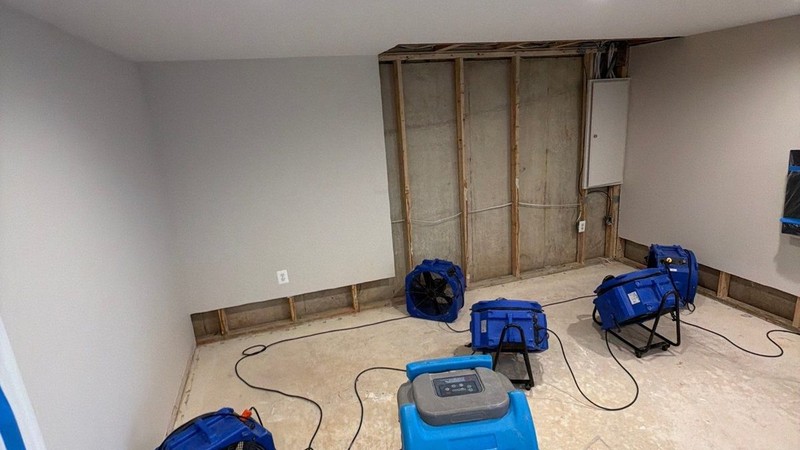
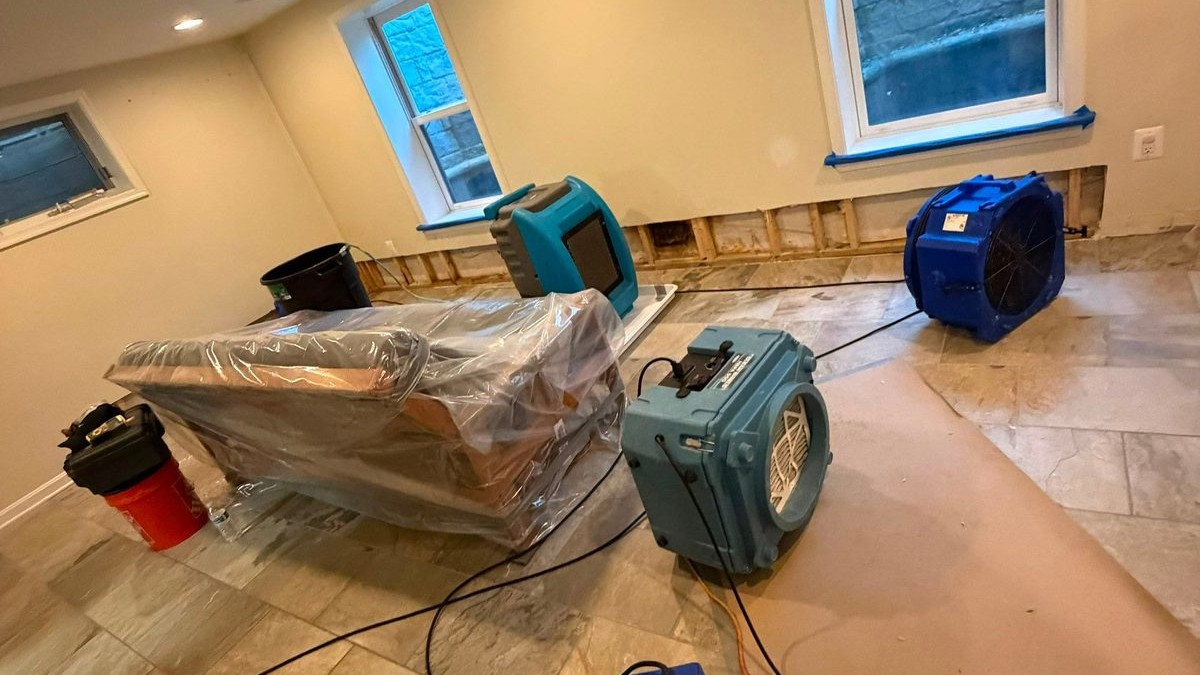
Professional Category 3 remediation follows a defined sequence: contain the affected area, extract the contaminated water, remove and dispose of saturated porous materials like carpet, padding, and drywall, clean and disinfect salvageable surfaces with EPA-registered antimicrobials, and then dry the structure to verified moisture targets. Drying is monitored daily with moisture meters and psychrometric readings until materials reach documented drying goals — commonly three to five days, depending on how far the water spread, what materials were affected, and how much was removed. If drying is delayed or incomplete, mold growth becomes the next problem, which is why verification matters as much as equipment.
Restoration Doctor performs this work to the ANSI/IICRC S500 standard — and to S520 when mold remediation is also needed — with 24/7 emergency response across the Virginia, Maryland, and Washington, D.C. tri-state area. Because most of our customers file an insurance claim, we hand you a carrier-ready claim file complete with an Xactimate scope, CompanyCam photo documentation, and daily moisture logs. We bill you, the homeowner, directly — we work for you, not your insurance company — so you keep control of the process from the first call to the final invoice. You can learn more on our water damage restoration page, or reach us anytime at 1-888-293-5663.
- Full biohazard PPE and containment to prevent cross-contamination
- Extraction of contaminated water and safe disposal of saturated porous materials
- EPA-registered antimicrobial cleaning of salvageable surfaces
- Daily psychrometric monitoring to verified drying goals
- Carrier-ready documentation to support your insurance claim
How Much Does Professional Black Water Cleanup Cost?
Professional black water cleanup typically runs in the thousands, but the real figure depends on the specifics of your loss and can only be given after an on-site inspection. The main cost drivers are how much water intruded, how far it spread through the home, how much contaminated material had to be removed, and how many days of monitored drying the structure needed.
A contained toilet overflow in a single bathroom is a very different scope than a basement-wide sewage backup that saturated carpet, drywall, and subfloor across multiple rooms. Because Category 3 work requires disposing of saturated porous materials rather than restoring them, the volume of removal and any reconstruction that follows have a large effect on the total. Rather than guess, we inspect the property, document the full scope, and build a line-item estimate that both you and your insurance carrier can rely on.
Since most of our customers file a claim, the deductible on your policy is often the clearest number to anchor on — that is a figure your insurer sets, not us. We invoice you directly and provide the documentation your carrier needs to evaluate the claim, including the Xactimate scope, photos, and moisture logs. You can read more about how that works on our insurance claims page.