Do Ozone Generators Remove Smoke Smell? The Rented-Machine Myth, Busted

BYSteve Jafari, General ManagerNORTHERN VIRGINIA, MARYLAND & D.C.
Ozone generators do remove some smoke smell from exposed surfaces, but they cannot penetrate the porous materials, wall cavities, and HVAC systems where smoke odor actually hides — so the smell usually returns. Worse, ozone can chemically react with leftover soot to create new, sharper odors, and it is unsafe to breathe, meaning you cannot occupy the space while it runs. Professional smoke-odor removal combines source cleaning with occupied-safe hydroxyl technology — not an ozone machine you rent overnight.
Call 1-888-29-FLOODDo ozone generators remove smoke smell?
Ozone generators can remove some smoke smell from hard, exposed surfaces, but they usually fail at the part that matters most: the embedded odor trapped deep inside porous materials, wall cavities, insulation, carpet padding, and your HVAC system. That is why so many homeowners run a rented ozone machine overnight, open the windows in the morning, feel relieved for a day or two, and then watch the smoke smell creep right back.
So the honest answer to "do ozone generators remove smoke smell" is: partially, temporarily, and with real risk. Ozone (O₃) is a powerful oxidizer. When it contacts odor molecules on a surface, it can chemically break them down. The problem is that smoke odor is not a surface problem — it is a penetration problem. Smoke particles are microscopic and travel on heat, forcing their way into every absorbent material in the structure. Ozone gas simply does not reach those hidden reservoirs in a meaningful way.
At Restoration Doctor, serving the Virginia, Maryland, and Washington, D.C. tri-state area, a significant share of the fire and smoke jobs we take are "re-dos" — homes where an ozone machine was tried first and didn't hold. The smell wasn't gone. It was waiting.
Why did the ozone machine I rented make the smoke smell worse?
The rented ozone machine often makes smoke smell worse because ozone reacts with leftover soot and oily residue to create brand-new odor compounds that can be sharper, more chemical, and more irritating than the original smell. If the source soot and char were never physically cleaned away first, you are essentially dumping a reactive gas onto a fuel source. The result can be a "burnt plastic" or acrid note layered on top of the original smoke.
There are a few specific reasons a DIY ozone run backfires:
Ozone is also indiscriminate. It oxidizes rubber, elastic, soft plastics, artwork, leather, and certain finishes, which is why electronics and household items can degrade after repeated ozone exposure. People frequently trade a smoke-odor problem for a materials-damage problem — and still have the smoke smell.
The core failure is sequencing. Ozone is sometimes used as a finishing step by professionals, but only after the source contamination has been removed. Run on a dirty, sooty structure, it amplifies the problem instead of solving it.
- The soot was never removed, so ozone just reacts with the residue and generates secondary odors.
- Humidity and HVAC were ignored, so smoke odor re-enters from untreated ducts and cavities.
- The treatment time or concentration was wrong, so odors were altered rather than destroyed.
- Porous materials re-emit odor molecules for weeks, overwhelming any brief surface treatment.
How does ozone actually work on smoke odor — and where does it fail?
Ozone works by oxidation: the unstable third oxygen atom in the O₃ molecule splits off and attacks odor molecules, breaking their chemical bonds so they no longer smell. On a clean, non-porous surface in a sealed room, that mechanism genuinely works. The failure is physical, not chemical — ozone gas cannot travel into the dense, absorbent materials where smoke odor concentrates.
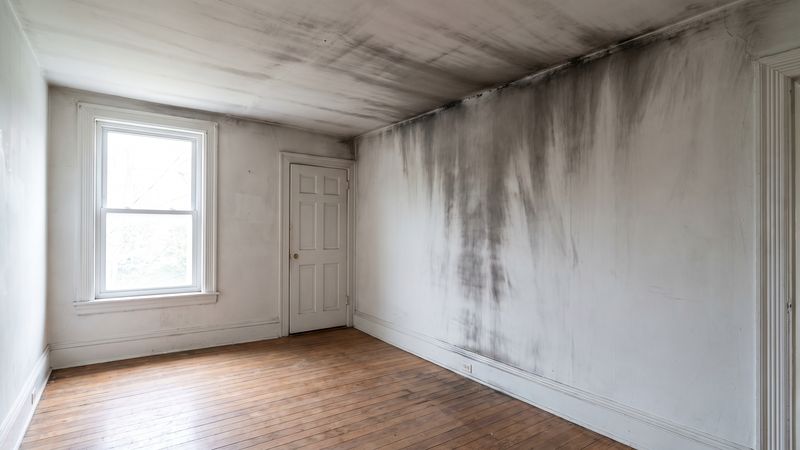
Think about where smoke odor actually lives after a fire. It saturates drywall paper, wood framing, carpet and padding, upholstery foam, mattresses, fiberglass insulation, and the ductwork that runs through your HVAC system. Odor molecules bond inside these materials. For ozone to neutralize them, the gas would need to diffuse deep into every pore at a sufficient concentration and dwell there — which it does not do. It treats the outer skin of a material and stops.
This is the surface-penetration gap. Ozone handles the surface. Smoke odor lives below it. Once the room airs out and the treated surface molecules are gone, the untreated reservoir underneath slowly re-emits odor into the air, and the smell returns. Homeowners read that return as "the treatment wore off," when in reality the treatment never reached the source.
Is it safe to use an ozone generator in your home?
No — you cannot safely occupy a space while an ozone generator runs, because ozone is a respiratory hazard, not an air freshener. It is the same molecule regulated as ground-level smog. Breathing ozone can irritate the lungs, trigger coughing and chest tightness, worsen asthma, and inflame airways, which is exactly why the EPA warns against using ozone generators in occupied spaces.
For ozone to break down smoke odor, it must reach concentrations far above safe breathing levels. That means people, pets, and houseplants must be completely out of the structure while it runs, plus a mandatory airing-out period before anyone re-enters. For a family already displaced by fire damage, this adds days of disruption to a process that frequently doesn't hold anyway.
There are also material risks. Repeated or high-concentration ozone degrades rubber seals, electrical wiring insulation, soft plastics, vinyl, leather, and fine art. If you've already lost belongings to smoke, the last thing you want is a treatment that quietly ages everything else in the house. For these combined safety and effectiveness reasons, we don't rely on ozone as a primary smoke-odor solution in homes where people need to live.
What is a hydroxyl generator, and why is it the occupied-safe alternative?
A hydroxyl generator is a machine that produces hydroxyl radicals (•OH) using UV light, and it is the occupied-safe alternative to ozone because people and pets can usually remain in the home while it runs. Hydroxyl radicals are the same naturally occurring molecules that break down odors and pollutants in the outdoor atmosphere every day, so hydroxyl processing essentially recreates nature's cleanup process indoors — at a concentration that is safe for occupied spaces.
The practical advantages are significant. Because you don't have to evacuate, treatment can run continuously for days instead of in short, rushed overnight bursts. That extended dwell time matters, because odor neutralization is cumulative. Hydroxyls are also gentler on materials than ozone, so they don't carry the same risk of degrading rubber, plastics, and finishes.
Here's the honest framing, though: hydroxyl generators are a tool, not magic. Like ozone, air-phase treatment handles airborne and surface odor, not odor sealed deep inside saturated drywall or ductwork. No machine — ozone or hydroxyl — substitutes for removing and cleaning the source contamination. The difference is that hydroxyl technology lets us run a thorough, extended treatment safely alongside proper cleaning, instead of a risky one-shot gas blast.
What's the right professional process for removing smoke smell for good?
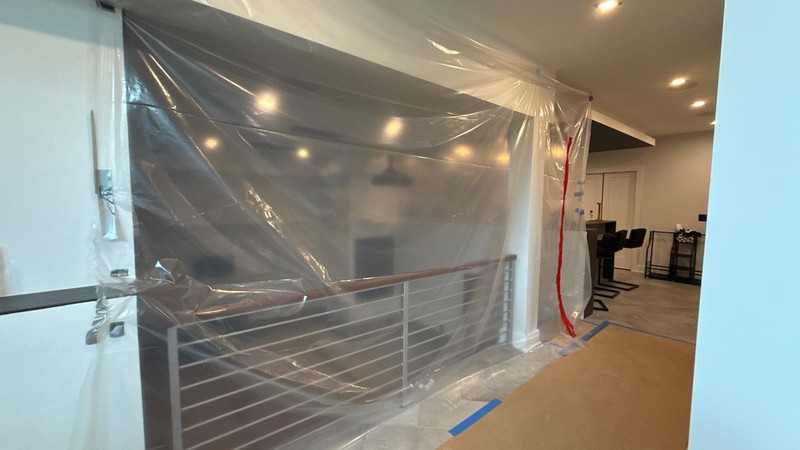
The right way to permanently remove smoke smell is source-first: physically clean and remove the soot and contaminated materials, treat the structure and air, then seal what can't be fully cleaned. Odor machines are one step near the end of that sequence — never the whole plan. This is why professional fire and smoke restoration holds when a rented ozone machine doesn't.
Our fire and smoke odor process follows a proven order so that nothing is masked and the odor source is actually eliminated:
Throughout, we document everything — CompanyCam photos, a detailed Xactimate scope, and daily logs — so that if you file a claim, you have a carrier-ready file. We bill you, the homeowner, directly and hand you the documentation your carrier needs, because we work for you, not your insurance company. You can read more about that on our /insurance-claims page.
The takeaway: a rented ozone machine skips every one of the steps above and jumps straight to gassing a dirty structure. That's why it fails. Permanent odor removal is a sequence, not a single device.
- Assess and contain: identify every affected material and the path smoke traveled, including HVAC.
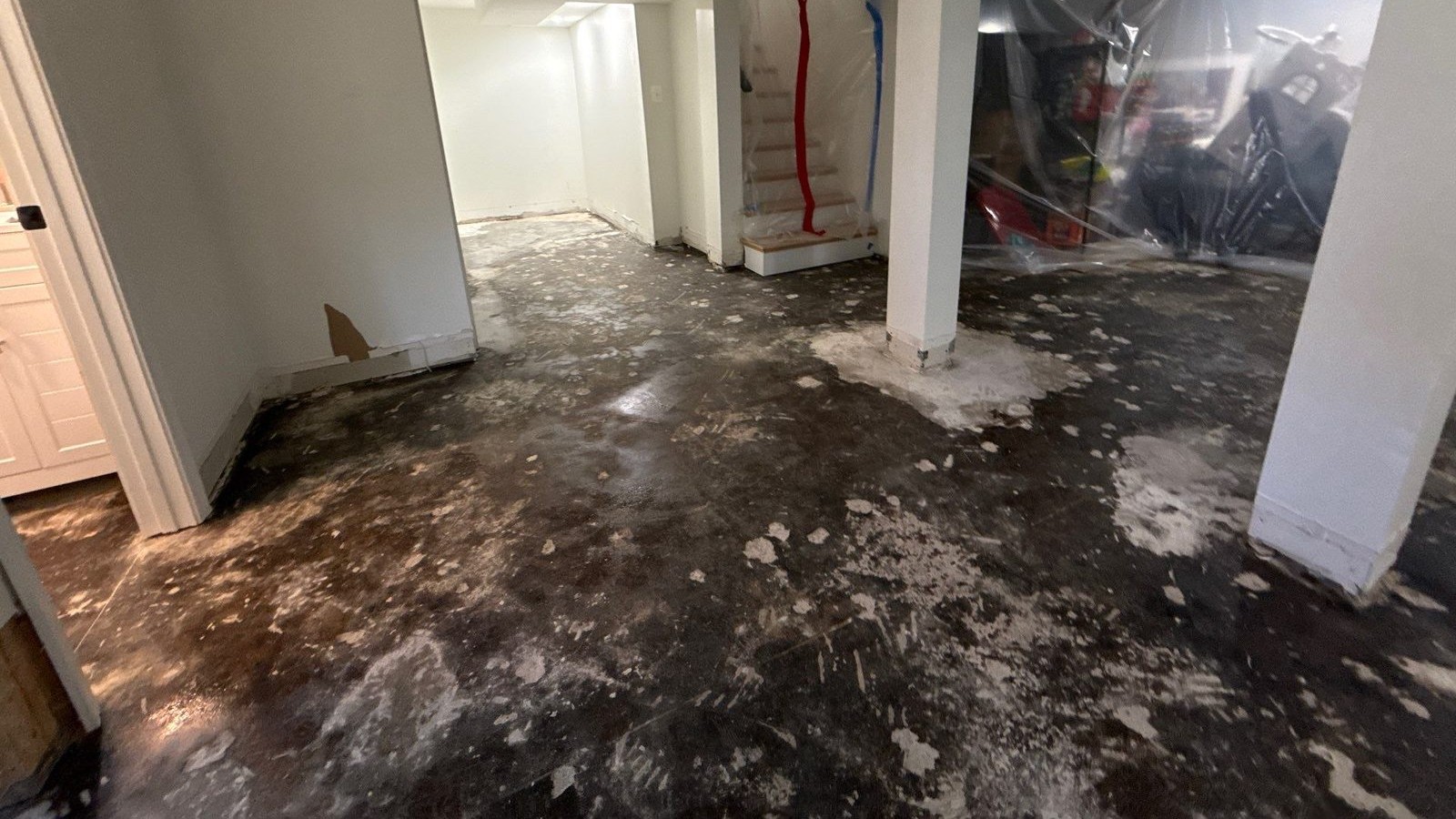
- Remove non-salvageable, saturated materials that hold odor (padding, insulation, badly contaminated drywall).
- Clean all surfaces: HEPA vacuuming, soot-specific cleaning, and degreasing of structural surfaces and framing.
- Clean the HVAC system and ducts, which otherwise redistribute smoke odor throughout the home.
- Treat the air and surfaces with occupied-safe hydroxyl processing (or thermal fogging where appropriate).
- Seal residual odor in framing or subfloor with specialized odor-encapsulating primers when needed.
- Verify: confirm the odor is gone before reconstruction and move-back, not before.
Ozone vs. hydroxyl vs. source cleaning: which actually works?
Source cleaning is what actually removes smoke smell; ozone and hydroxyl are supporting air-and-surface treatments. The single biggest mistake homeowners make is treating a machine as the solution instead of treating the contamination as the problem. The table below compares the three approaches on the factors that determine whether the smell actually stays gone.
The honest bottom line: no air-phase device fixes smoke odor on its own. Ozone adds safety hazards and material risk; hydroxyl removes those drawbacks and lets treatment run safely for days — but both only succeed as the finishing layer on top of thorough source removal and cleaning.
| Factor | Ozone generator | Hydroxyl generator | Source cleaning |
|---|---|---|---|
| Reaches embedded odor in materials | No | No | Yes — materials are cleaned or removed |
| Safe for occupied homes | No — evacuation required | Usually yes | Yes |
| Risk of creating new odors | Yes, reacts with soot | Low | None |
| Risk of damaging materials | Yes | Low | None when done correctly |
| Can run for extended dwell time | No, short bursts | Yes, continuous | N/A |
| Works as a standalone fix | No | No | Core of the solution |
When should you stop DIY and call a smoke-damage professional?
Call a professional as soon as the smoke smell outlasts basic cleaning and ventilation, or any time the odor came from an actual fire, a protein (kitchen) fire, or a furnace puffback — because those involve soot and oily residue that no rental machine will resolve. If you've already run an ozone generator and the smell returned or changed character, that's a clear signal the source was never addressed.
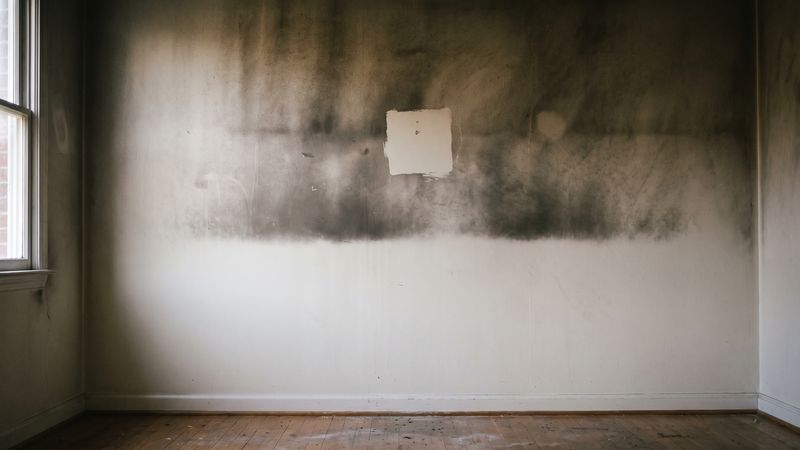
Specific situations that warrant a professional response include smoke that has entered your HVAC system, odor that intensifies with heat or humidity, visible soot on walls and ceilings, and smell that persists more than a few days after the source is gone. These all point to embedded contamination that requires removal and cleaning, not gassing.
Restoration Doctor responds 24/7 across the Virginia, Maryland, and Washington, D.C. tri-state area. We handle smoke and odor damage to recognized industry standards and give you a documented, carrier-ready file. If the smell won't leave, don't rent another machine — reach us at 1-888-293-5663 or through our /contact page and we'll inspect the source, not just the air. As with most restoration work, the investment typically runs into the thousands depending on how far the smoke spread, how much material must be cleaned or removed, and how long treatment needs to run — and we give you a real figure only after an on-site inspection.