How Much Does Sewage Cleanup Cost? A Line-Item Breakdown

BYSteve Jafari, General ManagerNORTHERN VIRGINIA, MARYLAND & D.C.
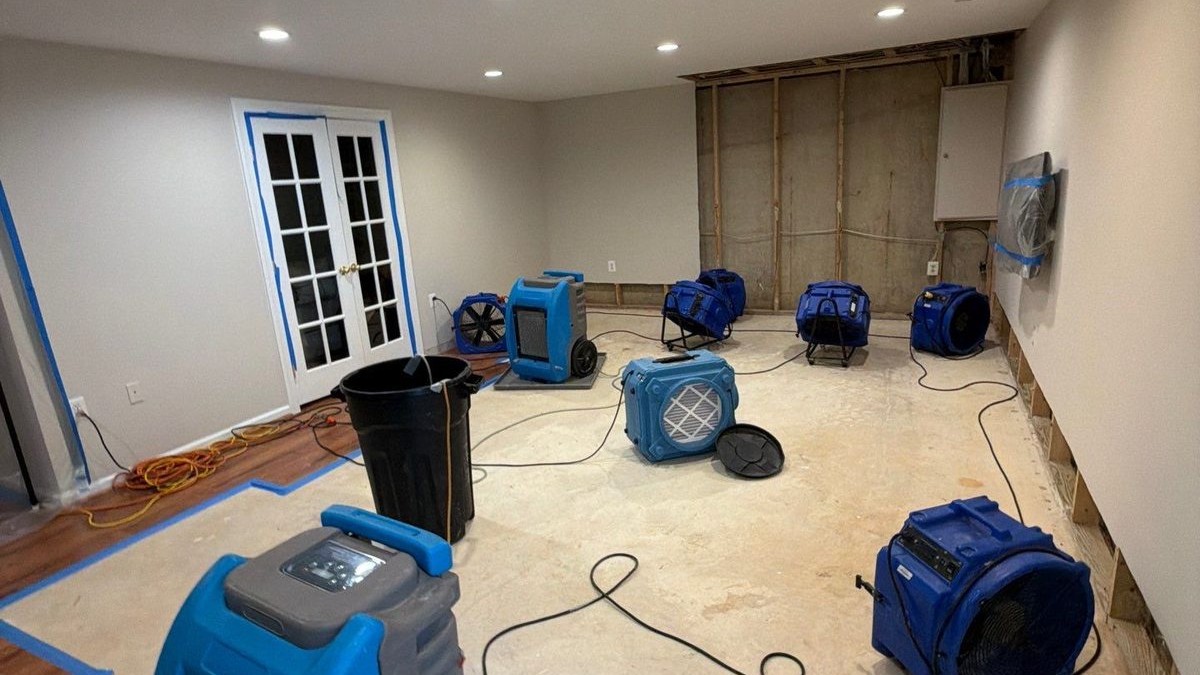
Sewage cleanup cost typically runs in the thousands, and the exact figure only comes after an on-site inspection measures how much waste water spread, how deep it soaked, and how much material has to be removed. A sewage backup is Category 3 (grossly contaminated) water under ANSI/IICRC S500, so the price covers safe extraction, antimicrobial treatment, flood-cutting of porous materials, containment, and proper disposal — not just drying. Any question about coverage goes to your insurer; we bill the homeowner directly and hand you a carrier-ready claim file with an Xactimate scope, CompanyCam photos, and daily moisture logs. We serve the Virginia, Maryland, and Washington, D.C. tri-state area 24/7.
Call 1-888-29-FLOODHow much does sewage cleanup cost?
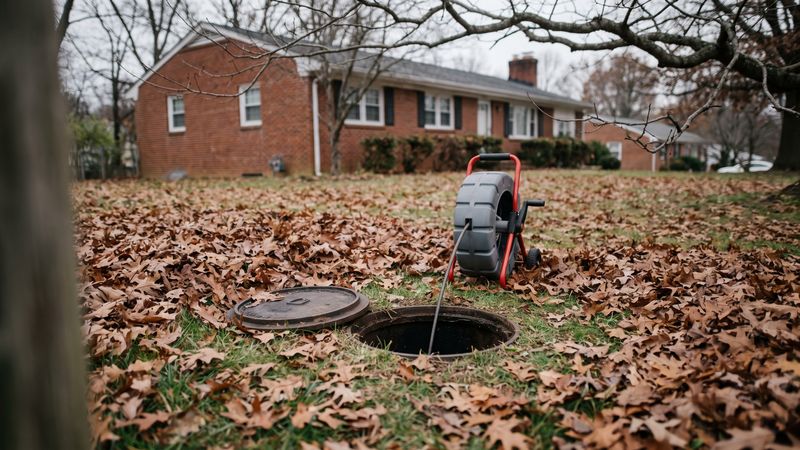
Sewage cleanup cost typically runs in the thousands, and the honest answer is that no reputable company can quote a flat price over the phone. A sewage backup is classified as Category 3 water under ANSI/IICRC S500 — grossly contaminated, carrying bacteria, viruses, and other pathogens — so the work involves far more than pumping out water. The real figure comes only after a technician measures the affected area on site.
Several variables move the number more than anything else: how much water backed up, how far the contamination traveled, how long it sat before mitigation began, and how much porous material (drywall, carpet, insulation, cabinetry) absorbed the waste and now has to be removed rather than cleaned. A small, caught-early basement floor drain backup sits at the low end; sewage that spread across a finished basement, saturated walls, and sat overnight sits much higher.
Because the price is driven by physical scope, the most useful thing you can do is get a professional on site fast. We respond 24/7 across the Virginia, Maryland, and Washington, D.C. tri-state area, and the sooner contaminated water is contained and extracted, the less material crosses the threshold from salvageable to non-salvageable — which is the single biggest lever on your final cost.
What line items are on a sewage cleanup invoice?
A sewage cleanup invoice is built from distinct line items, each tied to a specific IICRC-aligned task rather than a single lump-sum fee. Understanding these lines helps you read any estimate — ours or a competitor's — and see exactly what you're paying for.
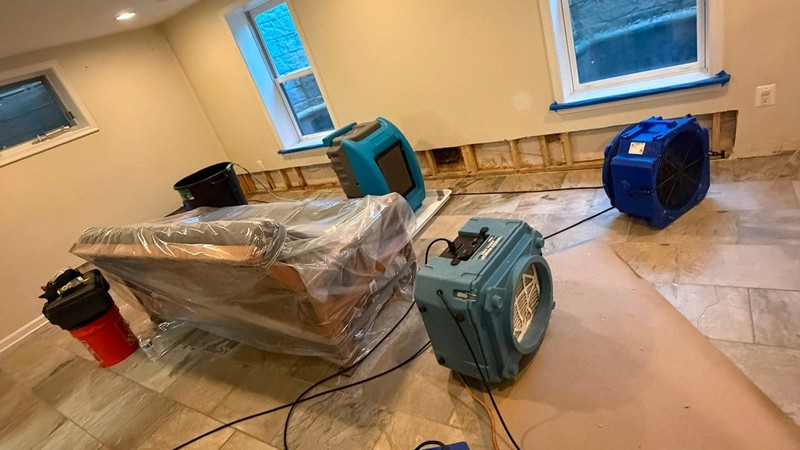
At a high level, a Category 3 cleanup is billed across extraction and removal of contaminated water, demolition (flood-cutting) of unsalvageable porous materials, antimicrobial and disinfectant application, containment and negative-air control, structural drying and monitoring, and proper debris disposal. Larger losses may add content handling, deodorization, and reconstruction as separate phases.
The table below shows the typical anatomy of a sewage job and the main factor that drives each line. We deliberately don't attach dollar figures — the quantity of each task is what varies, and that's measured in person during the inspection.
- Emergency extraction of Category 3 water and solids
- Removal and flood-cut of contaminated porous materials
- Antimicrobial and disinfectant application to salvageable structure
- Containment barriers and negative air to stop cross-contamination
- Structural drying, dehumidification, and daily moisture monitoring
- Hauling and proper disposal of contaminated debris (dumpster/haul-off)
- Deodorization and final verification
- Reconstruction of removed materials (often a separate phase)
| Line item | What it covers | Main cost driver |
|---|---|---|
| Extraction | Pumping and vacuuming contaminated water and solids | Volume of water and how far it spread |
| Flood-cut / demolition | Removing saturated drywall, insulation, carpet, pad | Square footage and height of material affected |
| Antimicrobial | Disinfecting surfaces to address pathogens | Total surface area treated |
| Containment | Barriers and negative air to isolate the zone | Size and layout of the affected space |
| Drying | Air movers, dehumidifiers, daily monitoring | Days required to reach verified drying goals |
| Disposal | Bagging, hauling, and proper debris removal | Weight and volume of material removed |
Why are extraction and antimicrobial the first charges?
Extraction and antimicrobial treatment are the first charges because stopping active contamination is the priority before anything can be dried or rebuilt. With Category 3 water, you can't simply run fans over sewage — the standing water and any solids must be physically removed first, and every surface it touched has to be cleaned and disinfected.
The extraction line is driven by volume and spread: a few gallons around a floor drain is quick, while sewage that sheeted across an entire finished basement requires truck-mounted or portable extraction over a much larger footprint. Technicians also remove sludge and solids that ordinary water jobs never involve, which is part of why sewage cleanup cost outpaces a clean-water loss of the same size.
Antimicrobial application is billed by the surface area treated. After extraction, crews clean and then apply EPA-registered antimicrobials to framing, subfloor, and any salvageable structure. This step is essential on a Category 3 loss under S500 — skipping it to save money leaves contamination behind and sets up a mold or odor problem that costs far more later.
What is a flood-cut and why does it raise the cost?
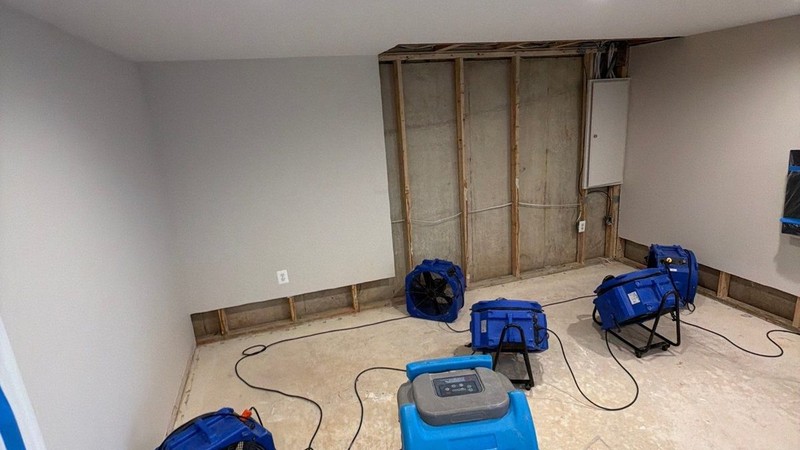
A flood-cut is the removal of drywall and insulation above the waterline — typically cut 12 to 24 inches higher than where the sewage reached — and it raises the cost because it's labor, material removal, and disposal all at once. Porous materials that absorb Category 3 water generally cannot be cleaned and disinfected to a sanitary condition, so the S500-consistent approach is to remove them rather than risk leaving contamination inside the wall cavity.
The flood-cut line scales with how much contaminated porous material exists. Carpet and pad, baseboards, saturated drywall, wet insulation, and sometimes cabinetry and subfloor all get removed and bagged for disposal. The more finished the space — think a basement rec room versus an unfinished utility area — the more material there is to cut out, haul, and eventually rebuild.
This is also why early response matters so much to the final bill. Water wicks upward through drywall and travels under flooring over time, so a backup addressed within an hour affects less material than the same backup left overnight. We staff for fast emergency response around the clock precisely to keep the flood-cut — and therefore the reconstruction — as small as possible.
Why do containment and a dumpster show up as separate lines?
Containment and disposal appear as separate lines because they're genuine, measurable tasks that protect the rest of your home and keep contaminated debris handled properly. Containment uses poly barriers and negative-air machines to seal off the contaminated zone so pathogens and odors don't migrate into clean living space during demolition.
The containment line is driven by the size and layout of the affected area and how many openings need to be sealed. An open basement is simpler than a space with multiple rooms, doorways, and an HVAC system that could spread contaminants if not isolated. Negative air also captures airborne particulate during flood-cutting, which matters when crews are disturbing contaminated drywall.
The disposal line — the dumpster or haul-off — is driven by the weight and volume of material removed. Sewage-soaked debris isn't ordinary household trash; it's bagged, hauled, and disposed of under proper waste-handling protocols. The more material the flood-cut removes, the larger that line becomes.
What factors drive sewage cleanup cost up or down the most?
The biggest cost drivers are the volume of water, how far it spread, how long it sat, and how much porous material has to be removed and later rebuilt. Two sewage backups in identical houses can land at very different totals depending on these variables.
Category 3 losses also carry inherent costs that clean-water jobs don't: personal protective equipment for technicians, careful handling and disposal of contaminated debris, and more aggressive cleaning and antimicrobial protocols. The source matters too — a backup confined to a floor drain is more contained than a municipal main surcharge pushing waste up through multiple fixtures at once.
Below are the levers that push the number in each direction, so you can see where your specific situation is likely to land before an inspector even arrives.
- Pushes cost UP: large water volume, deep saturation, overnight or multi-day delay before mitigation
- Pushes cost UP: finished/furnished space with drywall, carpet, cabinetry to flood-cut and rebuild
- Pushes cost UP: contamination that reached the HVAC system or traveled between floors
- Pushes cost DOWN: small, contained backup caught and extracted within the first hour
- Pushes cost DOWN: unfinished space with concrete floors and minimal porous material
- Pushes cost DOWN: fast professional response that keeps the flood-cut and reconstruction small
Does homeowners insurance cover sewage cleanup, and who do I ask?
Whether your policy covers a sewage backup depends entirely on your specific coverage, and that question goes to your insurer — not to us. Many standard homeowners policies exclude sewer and drain backup unless you carry a water backup endorsement, so the only authoritative answer comes from your carrier or agent reading your declarations page.
Here's how we fit in: we bill you, the homeowner, directly, and we hand you a carrier-ready claim file — an Xactimate scope, CompanyCam photo documentation, and daily moisture logs. We work for you, not your insurance company, which means our job is to document the loss thoroughly and accurately so you can pursue whatever your policy allows.
Practically, that means you contact your insurer to open the claim and confirm coverage, while we get to work mitigating the damage and assembling the evidence your adjuster will want to see. The only dollar figures that belong in a coverage conversation are your deductible and policy limits — both of which live in your policy, not in our estimate. You can learn more about how we structure documentation on our insurance claims page.
How can I get an accurate sewage cleanup estimate?
The only way to get an accurate sewage cleanup estimate is an on-site inspection, because the price is built from measured quantities — square footage affected, material to remove, days of drying — not a guess. A technician walks the loss, maps the contamination with moisture meters, identifies what's salvageable versus what must be flood-cut, and scopes each line item accordingly.
Structural drying commonly takes several days of monitored equipment runtime to reach verified drying goals, and sewage jobs add the extraction, demolition, and disinfection work on top of drying — which is why the inspection matters. Once the scope is set, you receive a written estimate tied to the actual tasks, and the documentation doubles as your claim file if you choose to file.
If you're dealing with an active sewage backup right now, don't wait. Restoration Doctor serves homeowners across Virginia, Maryland, and Washington, D.C., and we're available 24/7 for emergency response. Call 1-888-293-5663 or reach out through our contact page, and keep people and pets away from the contaminated area until crews arrive.