
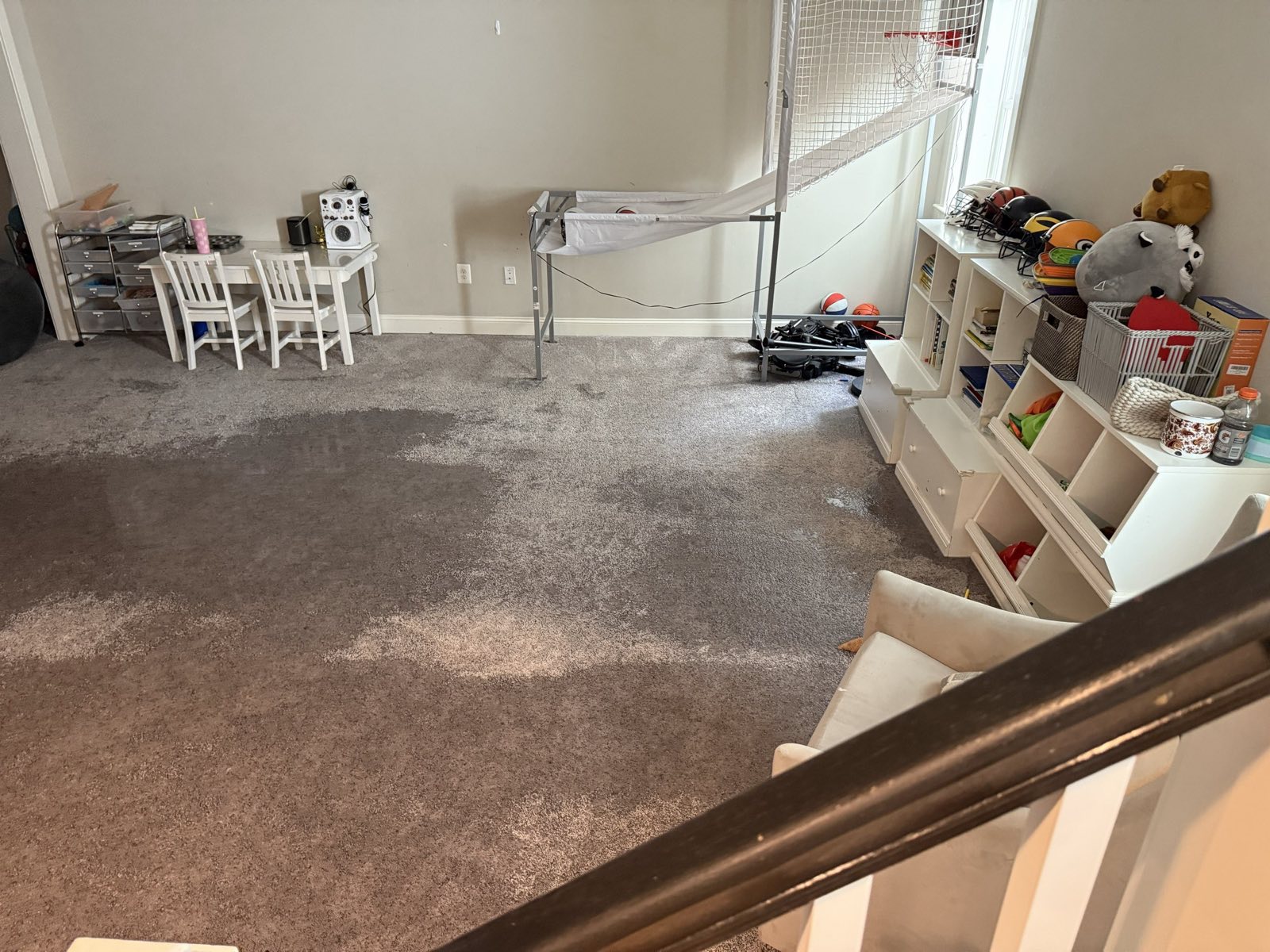
Moisture Detection and Mapping in Northern Virginia
Restoration Doctor maps hidden moisture in Northern Virginia homes and commercial buildings with pinless meters and thermal imaging, then records meter readings room by room. Thermal imaging shows where to look; the readings confirm it. This is moisture mapping, not plumbing leak-source testing.
*Response times vary based on crew availability and demand.
| Metric | Value | Notes |
|---|---|---|
| Median on-site arrival time | 47 minutes* | Measured median arrival across dispatched emergency projects — the middle value, not an average. Distinct from the on-site arrival in as little as 60 minutes below. Response times vary based on crew availability and demand. |
| Restoration projects completed to date | 10,000+ | Aggregate count of completed restoration projects to date across the VA / MD / D.C. tri-state service area. |
| Customers who file through insurance | 83% | Share of CUSTOMERS who use insurance. Restoration Doctor works for the homeowner — you pay us directly, and we build documentation you may share with your insurer, documented to IICRC S500 with a line-item Xactimate estimate, which you submit to your insurer when you seek reimbursement. |
| Average structural dry-out time | 4.5 days | Average time to bring a structure to documented dry standards; monitored daily with moisture readings. Individual projects vary by saturation class. |
| On-site arrival in as little as (NoVA core) | 60 minutes* | The fastest on-site arrival across the NoVA core, distinct from the measured 47-minute median arrival. Response times vary based on crew availability and demand. |
| Google rating (live) | 4.9★ | 4.9★ is the Vienna, VA Google listing average. The review count changes nightly and is served live at /api/reviews-summary — never hardcoded. |
*Response times vary based on crew availability and demand.
What moisture mapping is
Moisture mapping is the process of finding out where a building is wet and how wet. A technician walks the affected rooms with a pinless moisture meter and a thermal camera, records readings on floors, walls and ceilings, and builds a map of the wet areas. The map is what a drying plan is built from, and it is the baseline that daily readings are compared with later.
People usually call about a musty smell, a stain that keeps growing, floors that begin to cup or a ceiling that has dried but keeps coming back. In each case the question is the same: is there water inside the structure that the surface does not show?
Thermal imaging and meter readings do different jobs
A thermal camera shows temperature differences. Cold, wet patches behind walls and under floors show up as patterns that look normal to the eye. That makes thermal imaging a screening tool, and a pattern on its own is not a moisture reading. The meter is what confirms it: the technician measures the material at that spot, and the reading is what gets recorded.
Used together, the camera tells us where to measure and the meter tells us how wet the material is, which is how drying equipment ends up where the moisture is rather than blanketed across a room.
What moisture mapping does not do
Moisture mapping finds and measures water in materials. It does not locate the leak that produced it. Finding the source of a leak in a supply line, drain or roof is plumbing or roofing diagnosis, a separate scope from moisture mapping. If the source is still active, it has to be stopped before drying can finish. Source repair is a separate scope from moisture mapping.
It is also not mold testing. Mold sampling and clearance are a different process, covered in our mold remediation service and guides.
What you receive
The record is a set of date-stamped photos, the readings by room and material, and, when drying follows, the daily readings against that baseline. Restoration Doctor bills the customer directly under a written agreement, and the records are the customer's to keep and to share. We do not publish a sample report on this page. The documented projects below show the kind of file each inspection belongs to.
Documented projects
Real project files from Northern Virginia, each photographed in CompanyCam. More are on the projects page.


Fairfax Thermal Moisture Inspection
Thermal imaging and pinless meters found the wet cavities a Fairfax homeowner could not see, so drying equipment went exactly where the moisture was — not blanketed across a room and hoped over.
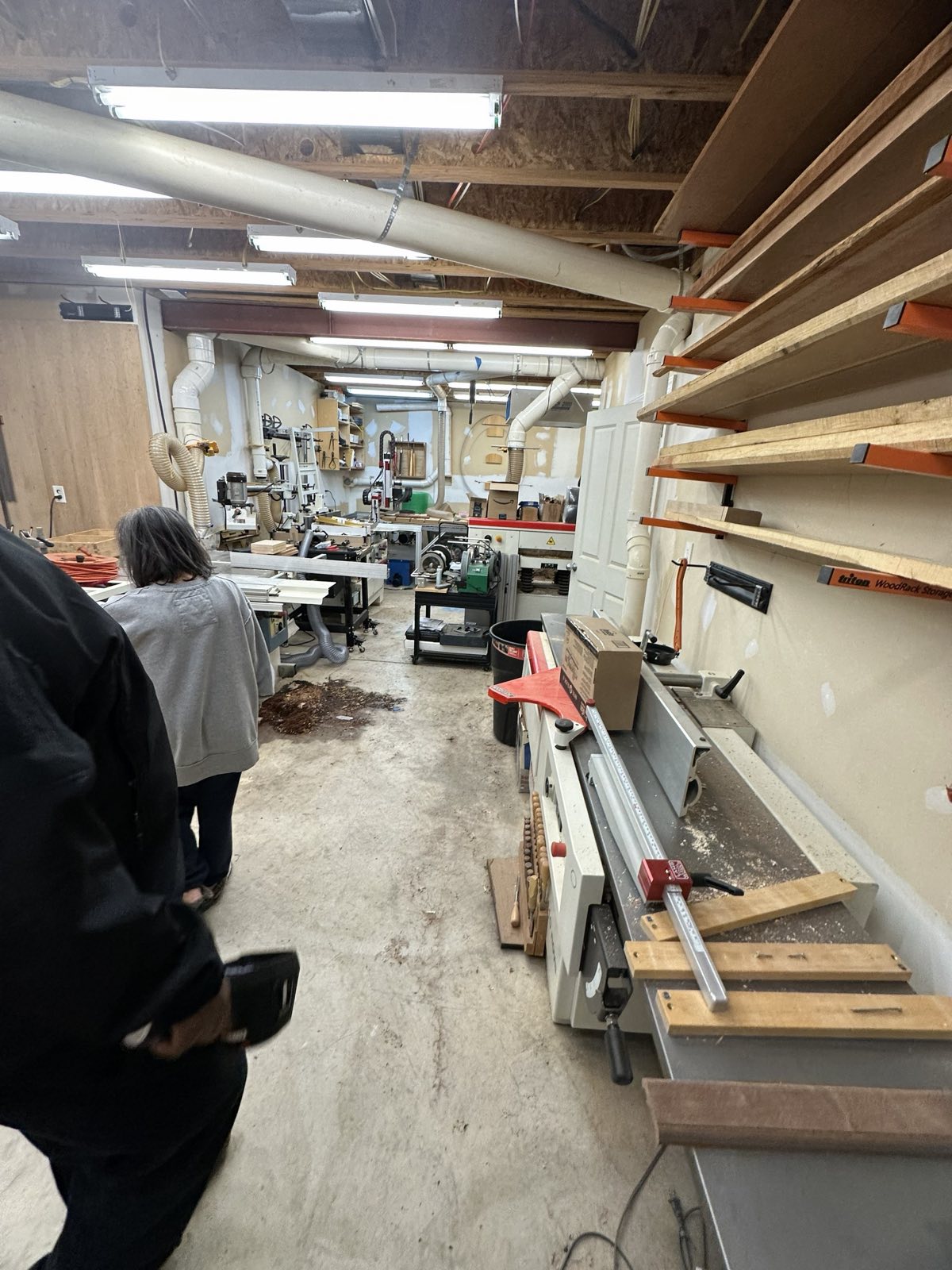

Oakton Moisture Mapping & Drying
A room-by-room moisture map set the drying plan for this Oakton loss, with a logged baseline and daily readings driving equipment placement until the numbers came down.


Lorton Moisture Mapping & Drying
Before: hidden moisture mapped across a Lorton loss. After: dried to documented targets, cavity by cavity.
Related guides and pages
- Moisture detection help: the fast call-and-dispatch page for hidden moisture.
- Structural drying and dehumidification: what happens after the moisture map.
- Musty smell but no visible mold: what hidden moisture can look and smell like.
- Signs of mold behind walls: what to look for when moisture has been there a while.
- Documented projects: inspection and drying files from across Northern Virginia.
Frequently asked
Active water, mold, fire, or sewage event?
Connect directly with the Restoration Doctor team for your region. Crews are on standby 24/7 with documented response protocols.