
Burst and Frozen Pipe Water Damage Cleanup in Northern Virginia
Restoration Doctor cleans up and dries water damage from burst and frozen pipes across Northern Virginia, 24/7: extraction, moisture mapping and structural drying. Stopping the water and repairing the pipe are separate steps.
*Response times vary based on crew availability and demand.
| Metric | Value | Notes |
|---|---|---|
| Median on-site arrival time | 47 minutes* | Measured median arrival across dispatched emergency projects — the middle value, not an average. Distinct from the on-site arrival in as little as 60 minutes below. Response times vary based on crew availability and demand. |
| Restoration projects completed to date | 10,000+ | Aggregate count of completed restoration projects to date across the VA / MD / D.C. tri-state service area. |
| Customers who file through insurance | 83% | Share of CUSTOMERS who use insurance. Restoration Doctor works for the homeowner — you pay us directly, and we build documentation you may share with your insurer, documented to IICRC S500 with a line-item Xactimate estimate, which you submit to your insurer when you seek reimbursement. |
| Average structural dry-out time | 4.5 days | Average time to bring a structure to documented dry standards; monitored daily with moisture readings. Individual projects vary by saturation class. |
| On-site arrival in as little as (NoVA core) | 60 minutes* | The fastest on-site arrival across the NoVA core, distinct from the measured 47-minute median arrival. Response times vary based on crew availability and demand. |
| Google rating (live) | 4.9★ | 4.9★ is the Vienna, VA Google listing average. The review count changes nightly and is served live at /api/reviews-summary — never hardcoded. |
*Response times vary based on crew availability and demand.
First, stop the water
Shut off the main water valve first, then turn off power to wet areas at the breaker if you can reach it safely. Water that keeps running is the biggest driver of the size of the loss, and no cleanup helps until the supply is off. Our burst pipe guide walks through the first minutes in order.
Call 1-888-293-5663 once the water is stopped, or before if you cannot stop it. We can be on-site in as little as 60 minutes across the Northern Virginia core. Response times vary based on crew availability and demand.
What the cleanup includes
A burst supply line puts clean Category 1 water into the structure, and the cleanup follows a fixed order. Standing water is extracted. The crew inspects with moisture meters and thermal imaging, because the water that matters most is in places the eye cannot see: behind baseboards, inside wall cavities, above the ceiling below and under flooring. Then the structure is dried with air movers and dehumidifiers and checked with daily readings until materials reach documented targets.
Speed matters because clean water does not stay clean. Under the IICRC S500 standard, Category 1 water begins degrading toward Category 2 in roughly 48 hours, and materials that stay wet past 24 to 48 hours are at risk of mold growth. A pipe that failed in a closed wall or an empty house can be a larger job than the same pipe caught the first hour.
Frozen pipes: the damage often shows up at the thaw
A frozen pipe can crack while it is frozen and only release water when it thaws, so the first sign may be a stain, a sound in the wall or a ceiling that begins to sag after a cold snap ends. Pipes on exterior walls, in crawl spaces, garages and unheated basements are the usual locations. If you find water after a freeze, treat it as an active leak: shut off the main valve and call.
Our guide to frozen pipe bursts and our guide to preventing frozen pipes cover what to do before and after.
Where mitigation ends and the pipe repair begins
This page describes mitigation: removing the water, drying the structure and documenting the work. Repairing or replacing the broken pipe is plumbing work, and it is not part of the cleanup described here. A licensed plumbing contractor repairs the line. Repairs after drying are a separate scope under their own written agreement. Tell us on the first call whether the water has been shut off.
What changes the size of a pipe loss
Five things set the scope: how long the water ran before it was stopped, how many floors and ceilings it reached, what materials it saturated, how long it sat before drying began, and whether the water stayed clean. Hardwood, plaster, insulation and finished basements make a loss larger, and a loss caught the same hour is usually the smallest version of itself. We do not publish prices on this page. A written scope and estimate come after the inspection.
Documented projects
Real project files from Northern Virginia, each photographed in CompanyCam. More are on the projects page.


Vienna Whole-Home Water Loss
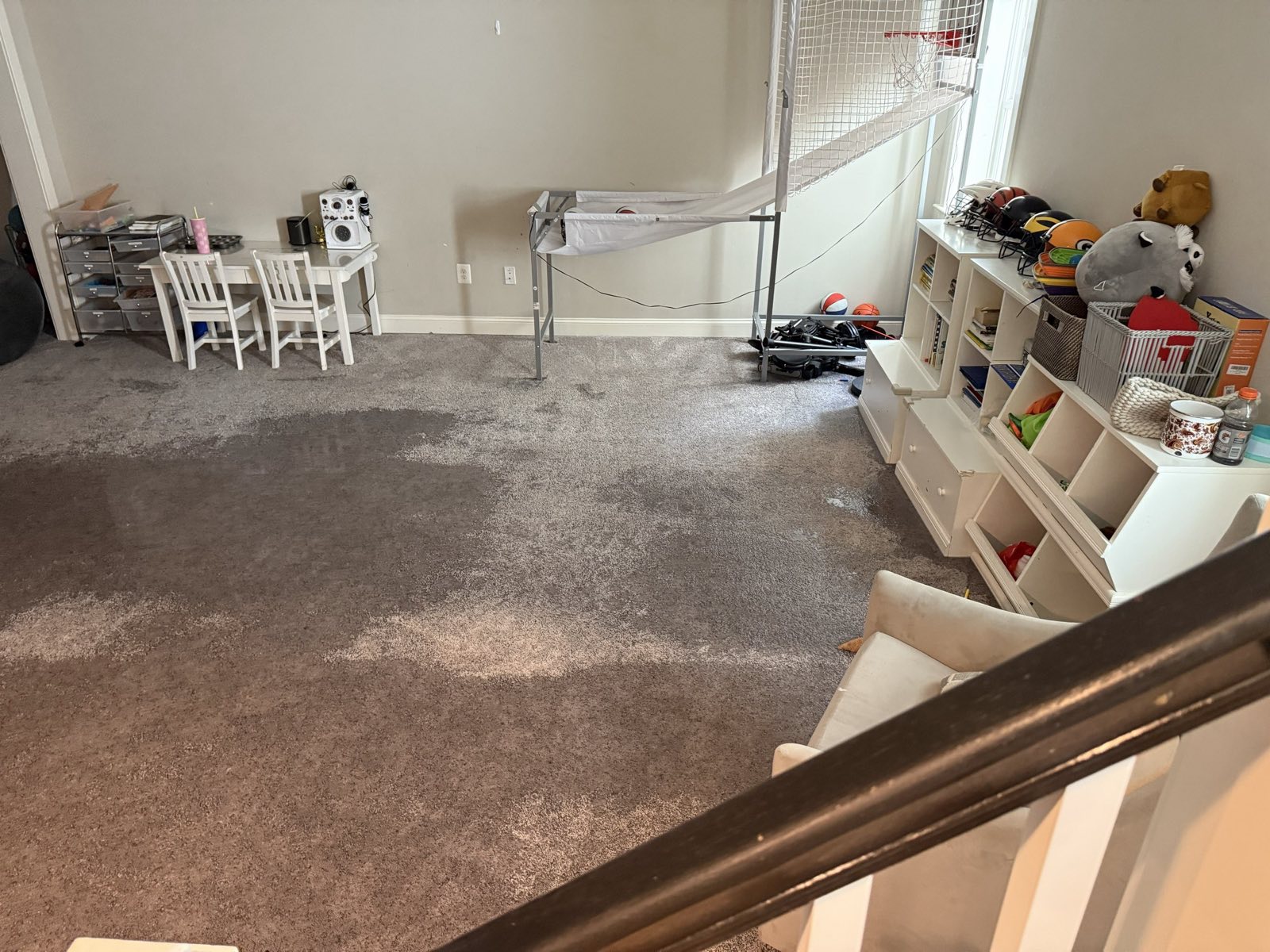
A supply-line failure in a Vienna single-family home ran undetected long enough to reach two floors. Crews dispatched across our service area extracted, mapped moisture room by room, and dried the structure to documented targets — the full project logged in CompanyCam for the carrier.
Related guides and pages
- Burst pipe in Northern Virginia: what to do: the step-by-step guide for the first minutes.
- Burst pipe help: the fast call-and-dispatch page for an active leak.
- What to do when a frozen pipe bursts: the cold-weather version of the same emergency.
- How to prevent frozen pipes: steps before the next freeze.
- Structural drying and dehumidification: how the drying after a pipe loss is planned and signed off.
- Water damage restoration: the full water-loss service this page belongs to.
Still happening right now? Emergency response for a pipe that is still leaking
Frequently asked
Active water, mold, fire, or sewage event?
Connect directly with the Restoration Doctor team for your region. Crews are on standby 24/7 with documented response protocols.